Rabbit's Foot Fern Davallia fejeensis
Can You Propagate Rabbit’s Foot Fern? Yes—Here’s How
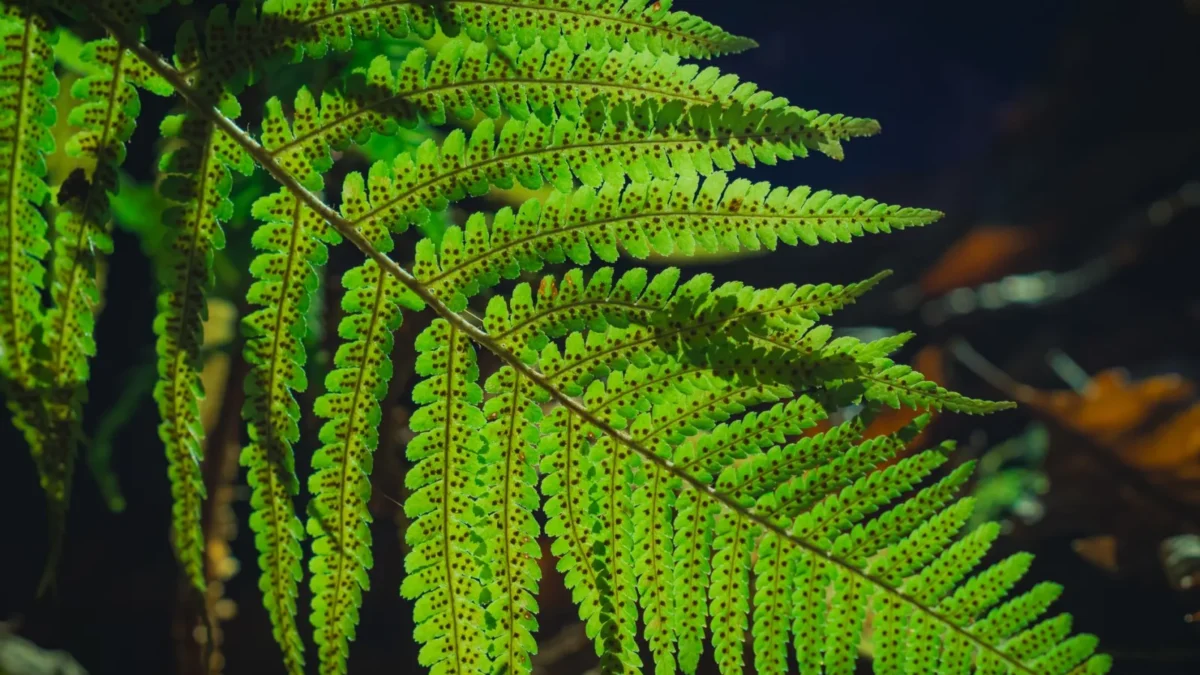
Quick answer: Yes, you can propagate rabbit’s foot fern by dividing its rhizomes in spring. Each division needs at least 3 inches of rhizome with roots attached, and will establish in bright indirect light with consistently moist soil.
Rabbit's Foot Fern at a glance
| Botanical name | Davallia fejeensis |
|---|---|
| Light | Bright indirect light; avoid direct sun |
| Watering | Keep soil moist but not soggy; allow top ½ inch to dry between waterings |
| Humidity | High humidity preferred; 50-80% ideal; tolerates 40-60% |
| Temperature | 60-75°F (15-24°C) day; minimum 50°F (10°C) night |
| Soil | Coarse, fast-draining mix: orchid bark, sphagnum moss, perlite; avoid standard potting soil |
| Feeding | Feed twice monthly at ¼ strength; do not fertilize in winter |
| Size | 1-3 feet tall; 1-4 feet spread indoors |
| Difficulty | easy |
| Cats | ✓ non-toxic |
| Dogs | ✓ non-toxic |
How to propagate rabbit’s foot fern by rhizome division
The easiest way to propagate rabbit’s foot fern is by dividing the rhizomes—the fuzzy, creeping stems that give the plant its common name. This method works because each rhizome section can develop into a new plant if it has enough resources.
- Wait until spring, when the plant is actively growing.
- Gently remove the parent plant from its pot and examine the rhizomes.
- Locate a section of rhizome that is at least 8 cm (3 inches) long and has visible roots attached.
- Using clean scissors or a knife, cut the rhizome section cleanly away from the parent plant.
- Prepare a new pot with a coarse, fast-draining mix of orchid bark, sphagnum moss, and perlite in roughly equal parts.
- Plant the rhizome division just below the soil surface and water gently.
- Place in bright, indirect light and keep the soil uniformly moist until the division is established.
What to expect after propagation
New divisions will develop fresh fronds from the stored energy in the rhizome section. Growth appears slowly but steadily; expect to see new fronds within a few weeks under good conditions. Since the root system is small, keep the soil consistently moist during establishment, though not waterlogged.
Maintain the conditions the parent plant needs: bright, indirect light and high humidity. Aim for 50–80% humidity; the fuzzy rhizomes store moisture between waterings. New divisions will benefit from regular misting or placement on a pebble tray until they mature.
Common propagation mistakes
The biggest error is using standard potting soil. This causes the rhizomes to rot quickly because they need aeration. Always use a coarse, orchid-like mix.
Dividing too small a rhizome section will fail. A 3-inch minimum ensures the division has enough stored resources to produce new growth.
Overwatering after division causes soft, mushy rhizomes and fungal problems. Keep soil moist, not waterlogged. Allow the top half inch to dry slightly between waterings once the plant is established.
FAQ
Can I propagate rabbit’s foot fern from spores?
Yes, the plant can also be propagated by spores, though rhizome division is simpler and faster for most growers.
How often should I divide my rabbit’s foot fern?
Divide infrequently. The plant becomes more attractive with age as the rhizomes creep across the pot, so division is best done only when you want to create new plants.
Read the full guide: Rabbit's Foot Fern Care: The Complete Guide
More about Rabbit's Foot Fern
The same problem in other plants
- How to Propagate Monstera Siltepecana: A Step-by-Step Guide
- How to Propagate Begonia Maculata: Water, Soil, and Leaf Cuttings
- How to Propagate Caladiums: Bulbs, Cuttings, and Water Propagation
- How to Propagate Asparagus Fern at Home
Sources
- Davallia solida var. fejeensis
- Davallia fejeensis (Rabbit's Foot Fern)
- Davallia fejeensis – Plant Finder
Photo: Lana Kravchenko / Pexels, Pexels