Rabbit's Foot Fern Davallia fejeensis
Rabbit’s Foot Fern Light Requirements and Complete Care Guide
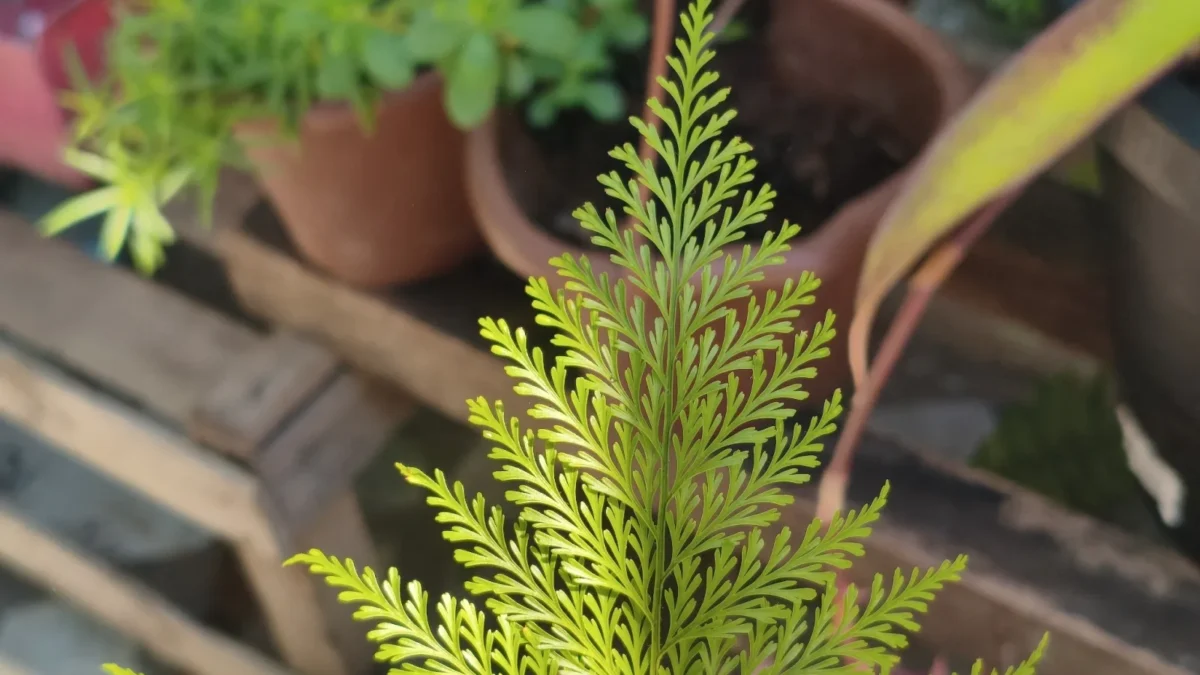
Rabbit’s foot ferns thrive in bright, indirect light, and this single requirement—combined with consistent humidity—is the key to keeping them healthy indoors. These elegant tropical ferns are among the easiest ferns to grow at home, making them perfect for anyone from beginners to seasoned plant enthusiasts willing to meet their humidity needs.
Rabbit's Foot Fern at a glance
| Botanical name | Davallia fejeensis |
|---|---|
| Light | Bright indirect light; avoid direct sun |
| Watering | Keep soil moist but not soggy; allow top ½ inch to dry between waterings |
| Humidity | High humidity preferred; 50-80% ideal; tolerates 40-60% |
| Temperature | 60-75°F (15-24°C) day; minimum 50°F (10°C) night |
| Soil | Coarse, fast-draining mix: orchid bark, sphagnum moss, perlite; avoid standard potting soil |
| Feeding | Feed twice monthly at ¼ strength; do not fertilize in winter |
| Size | 1-3 feet tall; 1-4 feet spread indoors |
| Difficulty | easy |
| Cats | ✓ non-toxic |
| Dogs | ✓ non-toxic |
Key points
– Keep your rabbit’s foot fern in bright, indirect light; direct sun will scorch the fronds
– Maintain high humidity between 50-80% for best results, though the plant tolerates 40-60%
– Water when the top ½ inch of soil dries out—keep soil moist but never soggy
– Use a coarse, fast-draining mix with orchid bark, sphagnum moss, and perlite; standard potting soil will kill the plant
– Feed twice monthly at ¼ strength during the growing season only; skip feeding in winter
– The plant is completely non-toxic to dogs and cats
Light Requirements for Rabbit’s Foot Ferns
Your rabbit’s foot fern needs bright, indirect light to produce healthy, lacy fronds. Position it in a spot with plenty of light but away from direct sunlight—a bright window with a sheer curtain works well, or an area a few feet back from a sunny window. The plant can tolerate lower light conditions than many houseplants, but insufficient light causes problems: the fronds become sparse and etiolated, with long stretches between leaf clusters on the rhizome.
Direct sunlight is harmful. Even a few hours of afternoon sun will scorch the delicate fronds and brown the fuzzy rhizomes that give this fern its common name.
Watering and Humidity
How Often to Water
Keep the soil moist but not waterlogged. Water lightly and frequently, allowing the top ½ inch of soil to dry slightly between waterings. Since rabbit’s foot ferns have shallow root systems, they rely on consistent moisture from the topsoil rather than deep soil reserves. During the growing season, water regularly; from fall to late winter, reduce watering slightly as the plant’s growth slows.
Overwatering is a genuine risk. Signs of overwatering include yellowing fronds, soft mushy stems near the soil line, and fungal growth on the soil surface. Limp fronds that feel mushy indicate your plant has received too much water. Allow the top ½ inch of topsoil to dry between waterings to avoid this problem.
Underwatering causes different symptoms: drooping or wilting fronds, dry crispy leaf edges, and slow growth.
Humidity: The Critical Factor
Rabbit’s foot ferns are epiphytes in their native habitat—they naturally grow on trees, absorbing moisture from air rather than soil. This is why humidity matters so much. The plant thrives at 50-80% humidity, and tolerates the more typical indoor range of 40-60%. Thanks to the fuzzy rhizomes that store water and nutrients between waterings, this fern is actually more forgiving of lower humidity than most tropical ferns.
If humidity drops too low, the frond tips turn brown and crispy edges appear as the plant struggles to retain moisture. Low humidity is one of the most common problems, but it’s easily fixed using one or more of these methods:
- Mist the fronds regularly with water
- Place the pot on a pebble tray filled with water (the pot sits above the water, not in it)
- Use a humidifier near the plant
Without adequate humidity, the plant becomes difficult and disappointing to grow.
Temperature and Environment
Rabbit’s foot ferns prefer daytime temperatures between 60-75°F (15-24°C), with a minimum night temperature of 50°F (10°C). In most homes, aim to keep the plant between 65-75°F (18-24°C) during the day and above 55°F (13°C) at night for best results.
Avoid placing the fern near drafts, heating vents, or areas with sudden temperature swings. Stable, mild conditions keep the plant happy and prevent stress that can lead to brown fronds or pest problems.
Soil and Repotting
The Right Soil Mix Is Essential
Using standard potting soil is the single most common cause of death in cultivated rabbit’s foot ferns. Their shallow roots and epiphytic nature demand a coarse, fast-draining, airy mix that prevents water from sitting around the roots.
The ideal mix combines these ingredients in a ratio of approximately 2:1:1:
– Chunky orchid bark (8-15mm grade)
– Long-fibre sphagnum moss
– Perlite
This combination mimics the loose, organic-rich substrate these ferns encounter in nature. The chunks allow air circulation around the rhizomes, and the sphagnum moss provides some moisture retention while the perlite ensures drainage. Never use heavy potting soils—the rhizomes will rot in dense, wet conditions.
When to Repot
Repot infrequently. Rabbit’s foot ferns actually become more attractive as they mature, with their characteristic creeping rhizomes spreading across the soil surface. Divide the plant only when necessary, and do any repotting in spring.
Feeding Your Rabbit’s Foot Fern
Feed your fern twice monthly at ¼ strength fertilizer during the growing season. Use a balanced, water-soluble houseplant fertilizer diluted to quarter strength—this gentler approach is essential because the shallow, sensitive root system cannot tolerate full-strength fertilizer.
Do not fertilize during winter. Winter feeding causes salt accumulation in the soil that progressively damages root tips and causes persistent browning at frond margins even when humidity and watering are otherwise correct.
Pruning and Maintenance
Rabbit’s foot ferns require minimal pruning. Simply remove dead or yellowing fronds as they appear to maintain a neat appearance and direct the plant’s energy toward healthy new growth. The creeping rhizomes will naturally spread across the pot surface—this is desirable and part of the plant’s natural growth habit.
Wipe fronds occasionally with a soft, damp cloth to remove dust and allow the plant to photosynthesize more efficiently.
Propagation Methods
Division of Rhizomes
The easiest propagation method is dividing the rhizomes in spring. Carefully separate sections of rhizome, ensuring each division has roots attached. Make sure each piece is at least 3 inches (8cm) long so it contains enough stored resources to establish itself.
Pot the divisions in the same coarse, fast-draining mix used for mature plants. Place them in bright, indirect light and keep the soil uniformly moist until new growth appears and the divisions establish themselves. Avoid overwatering during this vulnerable period, as young divisions are susceptible to rot.
Spore Propagation
Rabbit’s foot ferns can also be propagated from spores, though this method is slower and more technical. Most home growers prefer the straightforward division method.
Common Problems and Solutions
Brown Fronds and Brown Tips
Brown fronds result from several factors: low humidity, overwatering, underwatering, or exposure to direct sunlight. Brown frond tips specifically indicate low humidity, while direct sun scorches entire fronds and browns the rhizomes. To diagnose the problem, consider recent watering and the plant’s location. If humidity is the culprit, increase it using the methods described above. If the plant sits in direct sun, move it back from the window.
Brown Rhizomes
Brown rhizomes signal overwatering or poor drainage. Check that your soil mix is coarse and chunky with good drainage, and review your watering schedule. Ensure the top ½ inch of soil dries between waterings. If the pot lacks drainage holes or the soil is dense and wet, repot the plant into the proper coarse mix with drainage.
Wilting or Limp Fronds
Limp, mushy fronds are caused by overwatering. Reduce watering frequency and allow the top ½ inch of soil to dry before watering again. Check that the pot has adequate drainage holes and the soil mix is not compacted. If the plant is severely waterlogged, repotting into fresh, dry coarse mix may save it.
Crispy, Dry Fronds and Wilting
Drooping or wilting fronds with dry, crispy leaf edges indicate underwatering. Increase watering frequency slightly, but remember to allow the soil surface to dry slightly between waterings. Inconsistent watering causes significant stress.
Pest and Disease Issues
Watch for scale insects, which cling to fronds and rhizomes. Common pests also include aphids, mealybugs, and whiteflies. These are typically managed with insecticidal soap or neem oil applied according to product instructions.
Botrytis blight, aerial blights, and root rot can occur in conditions with poor air circulation and high moisture. Root rot manifests as wilting despite moist soil, yellowing fronds, and mushy roots; leaf spot appears as brown or black spots on fronds with yellow halos; rhizome rot shows as soft brown areas on rhizomes with yellowing, dying fronds. Prevention is easier than cure: ensure good air circulation, avoid overwatering, and maintain proper drainage.
FAQ
How much light does a rabbit’s foot fern need?
Rabbit’s foot ferns need bright, indirect light. Avoid direct sun, which scorches the delicate fronds. The plant tolerates lower light than many houseplants, but insufficient light produces sparse, weak growth.
What humidity level is best for rabbit’s foot ferns?
The ideal humidity range is 50-80%, though the plant tolerates typical indoor humidity of 40-60% thanks to its fuzzy water-storing rhizomes. If frond tips turn brown and crispy, humidity is too low.
How often should I water a rabbit’s foot fern?
Water when the top ½ inch of soil feels dry to the touch. Keep the soil moist but not waterlogged. During the growing season, water regularly; reduce watering slightly from fall to late winter.
Can I use regular potting soil for a rabbit’s foot fern?
No—standard potting soil is the single most common cause of death in these plants. Use a coarse, fast-draining mix of orchid bark, sphagnum moss, and perlite instead. The rhizomes will rot in dense, wet soil.
Is rabbit’s foot fern safe for pets?
Yes. The plant is non-toxic to both dogs and cats. A curious nibble will not poison anyone in your household.
What temperature does rabbit’s foot fern need?
Keep the plant between 60-75°F (15-24°C) during the day and no lower than 50°F (10°C) at night. Most homes work well at 65-75°F (18-24°C) during the day and above 55°F (13°C) at night.
More about Rabbit's Foot Fern
Sources
- Davallia fejeensis – Plant Finder
- Rabbit’s Foot Fern
- Rabbit's Foot Fern (Davallia fejeensis) Care Guide 🌟 – Healthy Houseplants
Photo: Natan Gabriel / inaturalist, cc-by