Rabbit's Foot Fern Davallia fejeensis
Is Rabbit’s Foot Fern Poisonous to Cats and Dogs?
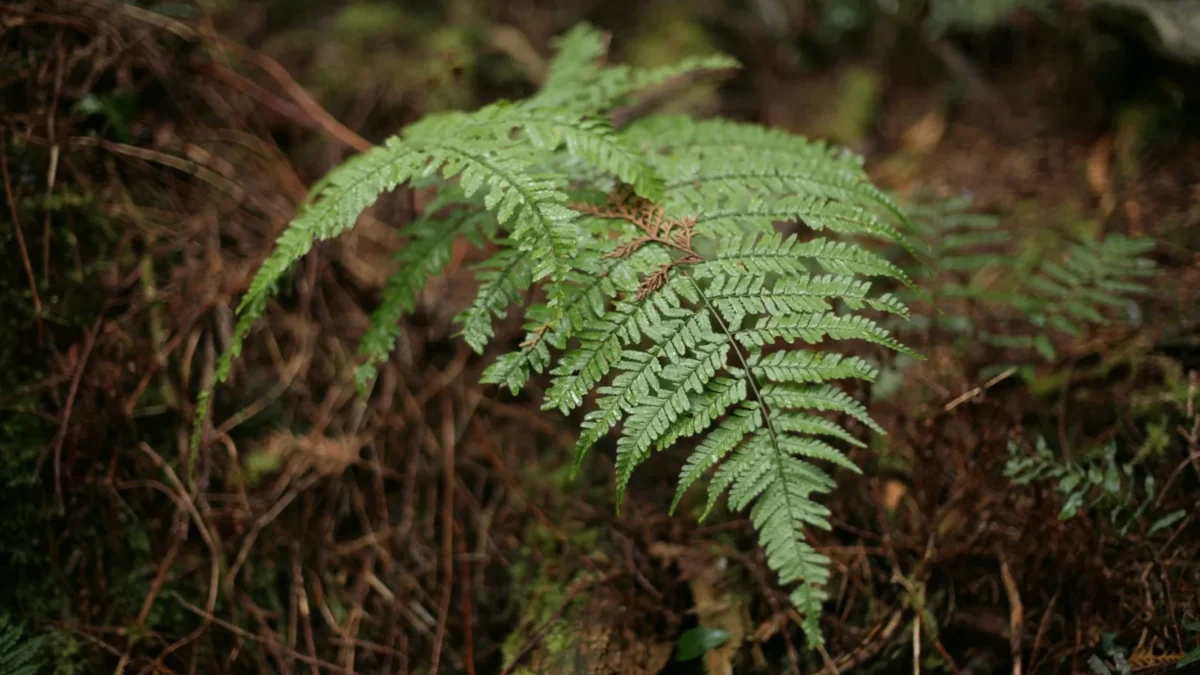
Quick answer: Rabbit’s foot fern is non-toxic to both cats and dogs. A curious nibble won’t cause poisoning, making it a sensible choice for pet households.
Rabbit's Foot Fern at a glance
| Botanical name | Davallia fejeensis |
|---|---|
| Light | Bright indirect light; avoid direct sun |
| Watering | Keep soil moist but not soggy; allow top ½ inch to dry between waterings |
| Humidity | High humidity preferred; 50-80% ideal; tolerates 40-60% |
| Temperature | 60-75°F (15-24°C) day; minimum 50°F (10°C) night |
| Soil | Coarse, fast-draining mix: orchid bark, sphagnum moss, perlite; avoid standard potting soil |
| Feeding | Feed twice monthly at ¼ strength; do not fertilize in winter |
| Size | 1-3 feet tall; 1-4 feet spread indoors |
| Difficulty | easy |
| Cats | ✓ non-toxic |
| Dogs | ✓ non-toxic |
Safe for your pets
The main question is settled: this fern poses no toxicity risk. If your cat or dog chews on the fronds, there’s nothing to worry about from a poison standpoint. You might care more about the plant’s survival than your pet’s safety in this case.
The fuzzy rhizomes (the furry, creeping stems that give the plant its common name) aren’t toxic either, though pets rarely target them since the delicate fronds are more accessible.
Why this fern is great for pet homes
Beyond being non-toxic, rabbit’s foot fern is forgiving and beginner-friendly. It’s one of the easiest tropical ferns to grow, which means you can focus on keeping it healthy rather than managing complex care needs.
The plant grows 1 to 3 feet tall with a spread of 1 to 4 feet indoors, so it fits neatly on shelves or hanging baskets where curious pets may be less likely to disturb it.
Basic care to keep it thriving
While the fern won’t poison your pets, it does need attention to stay attractive. Keep the soil moist but not soggy, allowing the top ½ inch to dry between waterings. It thrives in bright, indirect light—avoid direct sun, which scorches the fronds. High humidity is ideal at 50–80%, though the plant tolerates 40–60% because its fuzzy rhizomes store moisture.
Maintain temperatures between 60–75°F (15–24°C) during the day and at least 50°F (10°C) at night. Use a coarse, fast-draining mix of orchid bark, sphagnum moss, and perlite—never standard potting soil, which causes the rhizomes to rot. Feed twice monthly at ¼ strength, but skip fertilizer in winter.
FAQ
What should I do if my pet eats rabbit’s foot fern?
Nothing—it’s non-toxic, so there’s no poison risk. If your pet shows any unusual behaviour unrelated to toxicity, contact your vet, but the fern itself won’t cause problems.
Can I keep this fern in a home with cats and dogs?
Yes, it’s completely safe. Just position it somewhere it won’t get knocked over or constantly nibbled, as damage to the plant is your only real concern.
Does this fern need special care around pets?
No, the standard care remains the same. The main benefit for pet owners is peace of mind—you don’t need to worry about accidental poisoning if the plant is within reach.
Read the full guide: Rabbit's Foot Fern Care: The Complete Guide
More about Rabbit's Foot Fern
The same problem in other plants
- Is Alocasia Frydek Toxic to Dogs and Cats?
- Is Begonia Maculata Toxic to Cats and Dogs?
- Is Caladium Toxic to Cats and Dogs? Pet Safety Guide
- Is Venus Flytrap Toxic to Cats and Dogs?
Sources
- Rabbit’s Foot Fern
- Davallia fejeensis – Plant Finder
- Rabbit's Foot Fern (Davallia fejeensis) Care Guide 🌟 – Healthy Houseplants
Photo: mingche lee / Pexels, Pexels