Rabbit's Foot Fern Davallia fejeensis
How Often Should I Water My Rabbit’s Foot Fern
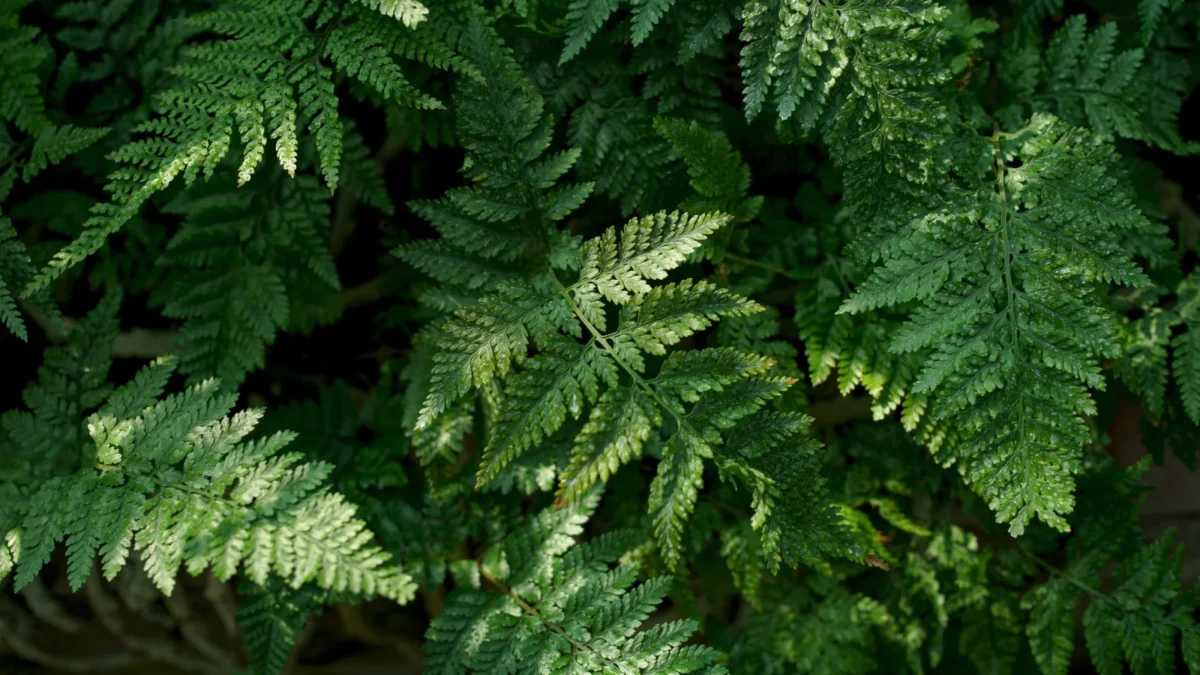
Quick answer: Water your Rabbit’s Foot Fern when the top ½ inch of soil feels dry to the touch. Keep the soil consistently moist but not waterlogged throughout the growing season, then reduce watering slightly from fall through late winter.
Rabbit's Foot Fern at a glance
| Botanical name | Davallia fejeensis |
|---|---|
| Light | Bright indirect light; avoid direct sun |
| Watering | Keep soil moist but not soggy; allow top ½ inch to dry between waterings |
| Humidity | High humidity preferred; 50-80% ideal; tolerates 40-60% |
| Temperature | 60-75°F (15-24°C) day; minimum 50°F (10°C) night |
| Soil | Coarse, fast-draining mix: orchid bark, sphagnum moss, perlite; avoid standard potting soil |
| Feeding | Feed twice monthly at ¼ strength; do not fertilize in winter |
| Size | 1-3 feet tall; 1-4 feet spread indoors |
| Difficulty | easy |
| Cats | ✓ non-toxic |
| Dogs | ✓ non-toxic |
The Basic Watering Schedule
Rabbit’s Foot Ferns have shallow root systems that cannot reach deep into soil to absorb water, so they need regular, light watering rather than occasional heavy soaking. Check the top ½ inch of soil with your finger every few days—when it feels dry, water thoroughly until moisture drains from the pot’s base. This approach keeps the soil moist without creating the soggy conditions that cause root rot.
During the growing season (spring and summer), stick to this frequent, light watering schedule. When fall arrives, reduce how much you water slightly; continue this reduced schedule through late winter before ramping back up in spring.
Signs You’re Watering Too Much or Too Little
Overwatering is the more common mistake. The first sign is limp, drooping fronds, which happen because excess moisture suffocates the roots. As overwatering continues, you’ll see yellowing fronds, soft mushy stems near the soil line, and possibly fungal growth on the soil surface. Brown rhizomes (the fuzzy, root-like structures that give the plant its common name) also indicate poor drainage or overwatering.
Underwatering causes the opposite problem: drooping or wilting fronds, dry and crispy leaf edges, and slow growth. The plant struggles to maintain moisture in its tissues.
If frond tips turn brown, low humidity is often the culprit rather than watering mistakes—though consistent watering does help. Increase humidity by misting the fronds regularly, placing the pot on a pebble tray filled with water, or using a humidifier.
Why Soil Mix Matters for Watering
Your watering routine will fail if the soil drains poorly. Never use standard potting soil; it retains too much moisture and causes the rhizomes to rot. Instead, use a coarse, fast-draining mix of chunky orchid bark (8–15 mm grade), long-fibre sphagnum moss, and perlite in roughly a 2:1:1 ratio. This airy mix lets water pass through quickly while keeping moisture available to the shallow roots.
Read the full guide: Rabbit's Foot Fern Care: The Complete Guide
More about Rabbit's Foot Fern
The same problem in other plants
- How Often to Water Your Mini Monstera
- How Often Should You Water Monstera Siltepecana?
- How Often Should You Water Alocasia Frydek?
- How Much and How Often Should You Water Ficus Audrey?
Sources
- Rabbit’s Foot Fern
- Rabbit's Foot Fern (Davallia fejeensis) Care Guide 🌟 – Healthy Houseplants
- Why Is My Rabbit Foot Fern Dying and How to Save It – Biology Insights
Photo: Kostiantyn Klymovets / Pexels, Pexels