Rabbit's Foot Fern Davallia fejeensis
How to Save a Dying Rabbit’s Foot Fern
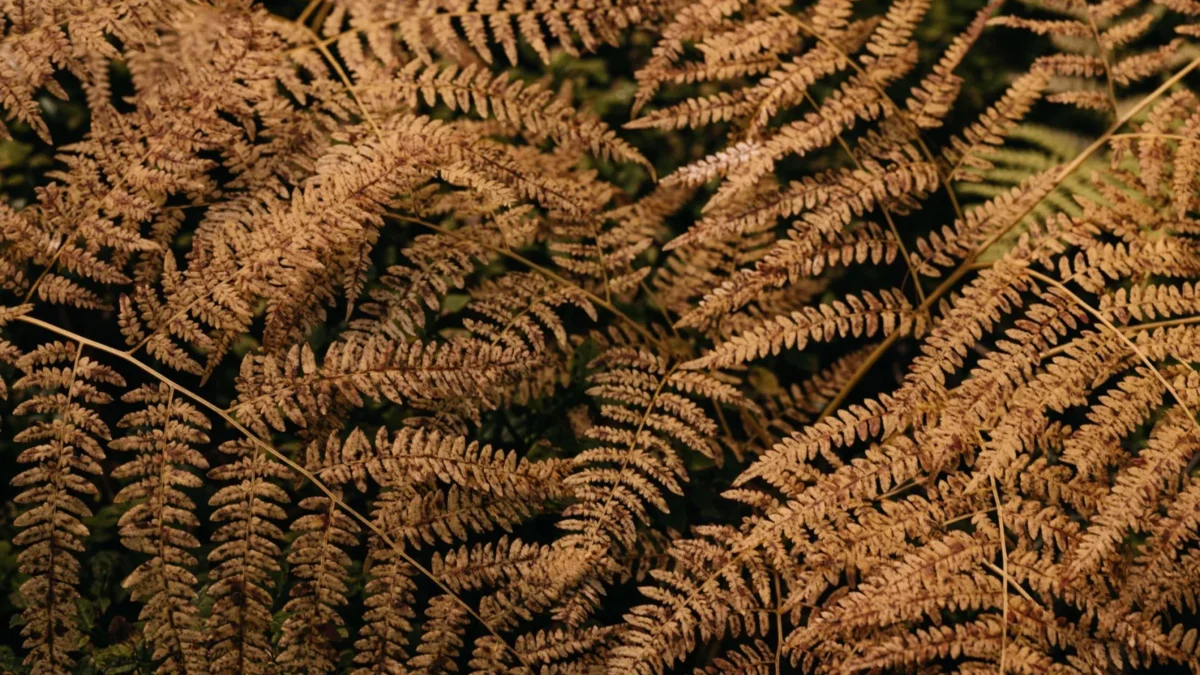
Quick answer: To save a dying Rabbit’s Foot Fern, identify the main problem—most often overwatering, low humidity, wrong soil, or light issues—then adjust watering, increase humidity, or repot into a coarse, fast-draining mix. With quick action, recovery is usually fast.
Rabbit's Foot Fern at a glance
| Botanical name | Davallia fejeensis |
|---|---|
| Light | Bright indirect light; avoid direct sun |
| Watering | Keep soil moist but not soggy; allow top ½ inch to dry between waterings |
| Humidity | High humidity preferred; 50-80% ideal; tolerates 40-60% |
| Temperature | 60-75°F (15-24°C) day; minimum 50°F (10°C) night |
| Soil | Coarse, fast-draining mix: orchid bark, sphagnum moss, perlite; avoid standard potting soil |
| Feeding | Feed twice monthly at ¼ strength; do not fertilize in winter |
| Size | 1-3 feet tall; 1-4 feet spread indoors |
| Difficulty | easy |
| Cats | ✓ non-toxic |
| Dogs | ✓ non-toxic |
Diagnose the Problem
Rabbit’s Foot Ferns are forgiving plants, but they show distress clearly. Start by checking these common culprits:
Brown or crispy frond tips suggest low humidity or fertilizer burn. If the air feels dry indoors, humidity is likely too low. If you’ve fed the plant recently, especially at full strength, that can burn the sensitive roots and cause browning.
Limp, drooping fronds almost always mean overwatering. Check the soil and rhizomes (the hairy, root-like stems). If they feel mushy or smell sour, root rot is setting in.
Slow growth or sparse, leggy fronds can signal low light or poor soil. Dark corners will produce weak growth.
Wilting despite moist soil suggests root rot, which prevents water uptake even when soil stays wet.
Fix the Most Common Problems
Overwatering and Root Rot
Limp fronds are the main sign. Let the top ½ inch of soil dry out between waterings. Water lightly and frequently rather than in large doses. In fall and winter, reduce watering slightly.
If rhizomes are already soft and brown, repot immediately. Remove the plant, trim any mushy roots with clean scissors, and repot into fresh, fast-draining mix. A coarse mix of chunid orchid bark, sphagnum moss, and perlite in a 2:1:1 ratio works well. Never use standard potting soil—the rhizomes will rot.
Low Humidity
Rabbit’s Foot Ferns thrive in 50–80% humidity. The good news: they tolerate 40–60% indoors because their fuzzy rhizomes store moisture between waterings.
If frond tips turn brown despite correct watering, boost humidity. Mist the fronds regularly, place the pot on a pebble tray filled with water, or run a humidifier nearby.
Wrong Soil or Poor Drainage
Standard potting soil is the single most common cause of death in these ferns. Repot into a light, airy mix: orchid bark (8–15 mm chunks), long-fibre sphagnum moss, and perlite in roughly a 2:1:1 ratio. This mimics their natural epiphytic habitat and prevents rhizome rot.
Fertilizer Burn
Full-strength fertilizer burns the shallow root system and causes brown frond tips that are often misdiagnosed as low humidity. Feed only twice monthly at ¼ strength, and skip feeding entirely from fall to late winter. Winter fertilizing causes salt buildup that damages roots over months.
Light Issues
Grow your fern in bright, indirect light and avoid direct sun. Direct sun scorches fronds and browns the rhizomes. Low light causes weak, sparse growth with long gaps between fronds, so choose a spot near a window with filtered light.
Recovery Routine
Once you’ve fixed the root cause, stick to this rhythm:
- Light: Bright, indirect only. East or north-facing windows are ideal.
- Water: Check the top ½ inch of soil; water when it feels dry. Keep the mix consistently moist but never soggy.
- Humidity: Aim for 50–80%. If you can’t reach that, 40–60% is acceptable long-term.
- Temperature: Keep it between 60–75°F during the day and above 50°F at night.
- Feeding: Twice monthly at ¼ strength during spring and summer only—no fertilizer in winter.
New fronds should begin appearing within 2–3 weeks. Avoid moving the plant around once recovery starts; it needs stability.
Read the full guide: Rabbit's Foot Fern Care: The Complete Guide
More about Rabbit's Foot Fern
Sources
- Rabbit’s Foot Fern
- Rabbit's Foot Fern (Davallia fejeensis) Care Guide 🌟 – Healthy Houseplants
- Rabbit Foot Fern Care: The Furry-Rhizome Fern That Tolerates Drier Air – Blooming Expert
Photo: Lisett Kruusimäe / Pexels, Pexels