Norfolk Island Pine Araucaria heterophylla
Why Are My Norfolk Island Pine Leaves Turning Brown?
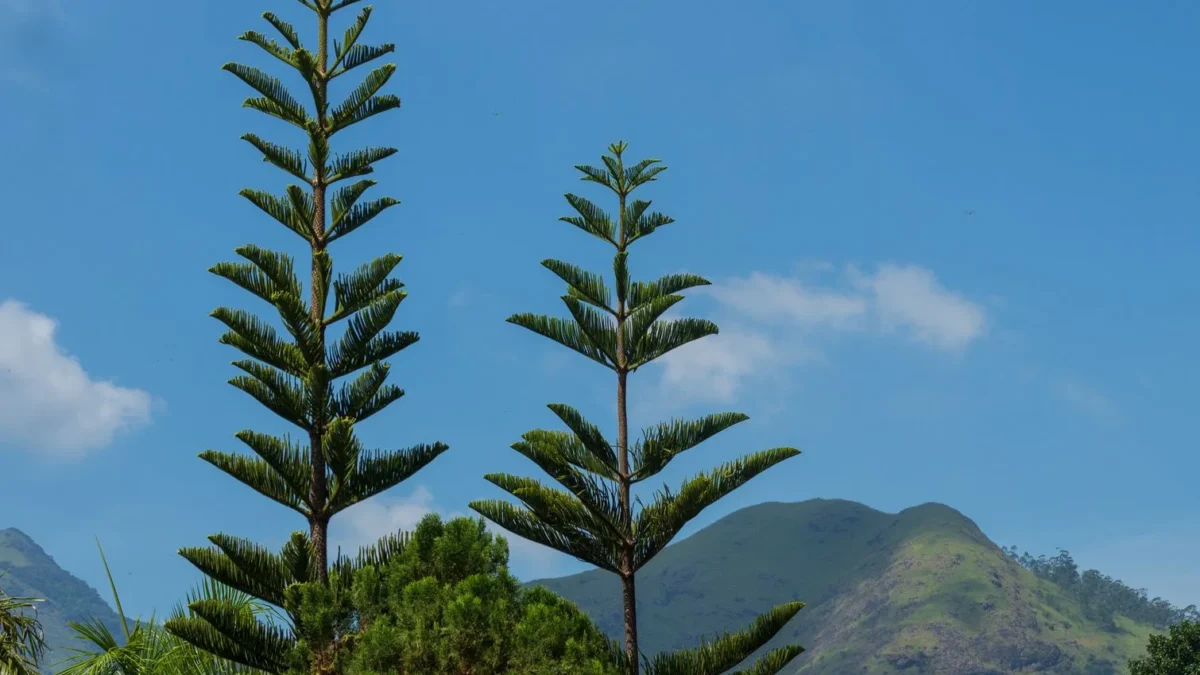
Quick answer: Norfolk Island pine leaves turning brown is most often caused by low humidity or overwatering, but can also result from too much direct sun, drafts, or cold temperatures. Check your watering schedule, air moisture level, and placement first—most cases clear up quickly once you fix the trigger.
Norfolk Island Pine at a glance
| Botanical name | Araucaria heterophylla |
|---|---|
| Light | Bright indirect light; avoid direct afternoon sun which causes scorching |
| Watering | Water when top 1 inch of soil feels dry; every 5-7 days spring/summer, 7-10 days fall/winter |
| Humidity | 50-70% humidity; low humidity causes browning tips |
| Temperature | Daytime 65-75°F; nighttime 55-65°F; keep above 50°F |
| Soil | Fertile, porous, sandy, peaty, slightly acidic, well-drained soil |
| Feeding | Weekly or biweekly dilute liquid fertilizer spring through fall |
| Size | Slow-growing; reaches 6+ feet tall indoors over years |
| Difficulty | easy |
| Cats | ✓ non-toxic |
| Dogs | ✓ non-toxic |
| What you see | Likely cause | What to do |
|---|---|---|
| Brown or dry leaf tips; whole leaves browning | Low humidity (most common) | Mist regularly, group plants together, or use a humidifier to reach 50-70% |
| Brown, wilted, drooping leaves; soft stems | Overwatering or root rot | Check soil, repot if soggy, water less frequently |
| Brown or yellow patches on exposed needles | Direct afternoon sun scorch | Move to bright indirect light; avoid west-facing windows in summer |
| Brown leaves throughout; lower branches dying first | Underwatering | Water when top inch of soil feels dry; every 5-7 days in spring/summer |
| Brown leaves after cold exposure | Temperatures below 50°F | Keep plant away from drafts, cold windows, and air conditioning vents |
Low humidity—the most common cause
Norfolk Island pines are tropical plants that need humidity levels of 50-70%, and most homes, especially in winter, fall well short of this. When the air is too dry, leaf tips brown first, then entire needles may turn brown and drop. This is particularly common in heated winter homes or air-conditioned spaces.
To raise humidity:
– Mist the foliage 2-3 times per week with a spray bottle
– Place the pot on a tray filled with pebbles and water (keep the pot above the waterline)
– Group plants together to create a more humid microclimate
– Run a humidifier nearby if your home is consistently dry
You should see improvement within 1-2 weeks.
Overwatering and root rot
Root rot from overwatering is the second most common cause of decline. These plants need consistent moisture but hate soggy soil. If leaves are brown and wilted at the same time, and the soil feels wet, overwatering is likely the problem.
Water only when the top inch of soil feels dry to the touch. In spring and summer, this usually means every 5 to 7 days. In fall and winter, extend this to every 7 to 10 days. Smaller pots may need watering every 3 to 5 days, especially in warm rooms.
If you suspect root rot, repot the plant into fresh, well-drained soil. Use soil that is fertile, porous, sandy, peaty, and slightly acidic. Let excess water drain freely from the pot. In future, water only when the soil is dry—don’t go by a calendar.
Direct sun and temperature stress
Too much direct sun, especially harsh afternoon sun through a west-facing window, scorches the needles and causes brown or yellow patches. Place your Norfolk Island pine in bright indirect light instead. A spot with plenty of ambient brightness all day—but where direct sun rays never touch the foliage for more than a brief moment—is ideal.
Cold temperatures also cause browning. These plants prefer daytime temperatures of 65–75°F and nighttime temperatures of 55–65°F. Exposure to temperatures below 50°F can damage leaves and turn them brown. Keep your plant away from cold drafts, uninsulated windows in winter, and air conditioning vents.
FAQ
Why are the tips of my Norfolk Island pine brown but the rest of the leaf is green?
Brown tips almost always signal low humidity or slight underwatering. Start misting weekly and check that you’re watering when the top inch of soil dries out. You’ll see new growth come in healthy within 2–3 weeks.
Can I cut off the brown leaves?
Yes, you can trim individual brown needles or tips with clean scissors, but focus on fixing the underlying cause so new growth stays healthy. Removing affected foliage won’t solve the problem if humidity remains low or watering stays incorrect.
Is my Norfolk Island pine dying if it has brown branches?
Not necessarily. If the lower branches are brown and dry, this usually means underwatering or low humidity. Adjust your care routine now and the plant should recover. However, if the entire plant is brown and mushy, root rot may have progressed too far to save.
Read the full guide: Norfolk Island Pine Care: The Complete Guide
More about Norfolk Island Pine
The same problem in other plants
- Why Are My Ficus Audrey Leaves Turning Brown and Falling Off?
- Why Are My Satin Pothos Leaves Turning Black or Brown?
- Why Are My Rex Begonia Leaves Turning Brown?
- Why Is My Rattlesnake Plant Turning Brown?
Sources
- Caring for a Norfolk Island Pine (Araucaria heterophylla)
- norfolk pine care tips
- Norfolk Pine Light Requirements
Photo: Abhinav Ravindran / Pexels, Pexels