Elephant Bush Portulacaria afra
Elephant Bush Care: The Complete Guide
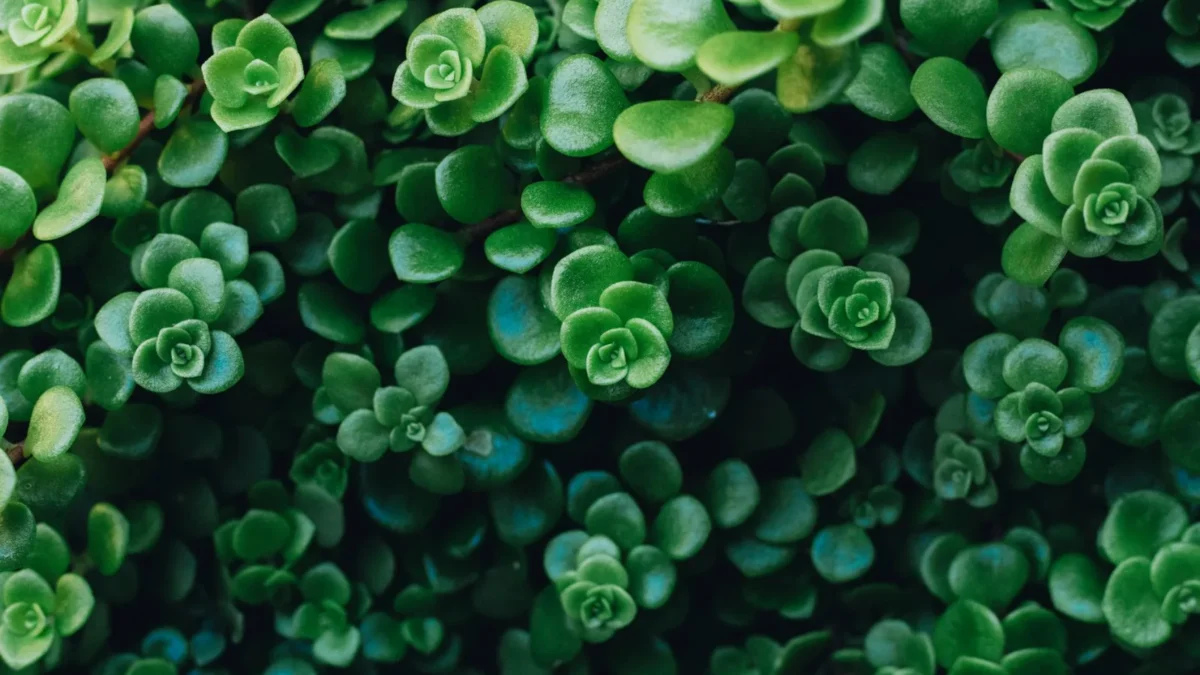
Elephant bush is a low-maintenance succulent that thrives with minimal fuss, making it perfect for anyone from a total beginner to a seasoned plant collector. This South African native grows well in containers, and the key to keeping it healthy is avoiding overwatering and providing bright light. This guide covers everything you need to grow a vibrant, healthy elephant bush indoors or outdoors.
| Botanical name | Portulacaria afra |
|---|---|
| Light | Bright indirect light; 5-6 hours direct sunlight per day |
| Watering | Water when top 2 inches of soil completely dry; every 2-3 weeks typically |
| Humidity | Minimal; average household humidity sufficient; 30-50% ideal |
| Temperature | 65-80°F (18-27°C); keep above 30°F (-1°C); protect from frost |
| Soil | Very well-drained cactus or succulent compost with perlite, sand, or gravel |
| Feeding | Diluted balanced liquid fertilizer monthly during growing season; use low nitrogen or cactus fertilizer |
| Size | Height 1.5-2.5 m; spread 1-1.5 m |
| Difficulty | easy |
Key points
– Water only when the top 2 inches of soil are completely dry—typically every 2–3 weeks
– Provide 5–6 hours of direct sunlight daily in bright, indirect light
– Use very well-drained cactus or succulent soil with perlite, sand, or gravel to prevent root rot
– Feed with diluted balanced or low-nitrogen fertilizer once monthly during spring and summer
– Elephant bush is non-toxic to dogs and cats, even safe for tortoises
Light Requirements for Elephant Bush
Elephant bush needs bright light and quite a bit of it to develop its best form. Aim for 5–6 hours of direct sunlight per day. You can grow it in bright, indirect light as well, but the plant will be sturdier and bushier with direct sun exposure.
If your plant doesn’t get enough sunlight, it will grow leggy—that spindly, stretched-out look where stems get longer and thinner as they search for light. On the flip side, a plant suddenly moved into intense, direct sun without acclimatization can develop yellow or crispy leaves from sunburn. If you move it to a brighter spot, ease it in gradually rather than shifting it all at once.
Watering Your Elephant Bush: How Often and How Much
Overwatering is the fastest way to kill an elephant bush. The succulent stores water in its leaves, so it’s far more drought-tolerant than most houseplants. Roots rot quickly if they sit in wet soil for more than 2–3 days, so err on the side of dryness.
How to water
Water when the soil is completely dry. To check, insert your finger into the soil up to your knuckle; water only when the top 2 inches are bone-dry. Pour lukewarm water evenly across the pot until it drains from the bottom, then wait until the soil dries completely before watering again.
This “soak and dry” method is the safest approach. Make sure your pot has drainage holes and there’s no water sitting in a tray underneath—even a saucer can trap moisture and lead to rot.
Seasonal watering schedule
Water needs change throughout the year. During the growing season from mid-spring through mid-autumn, water well but allow soil to dry between waterings. In the hottest months, you may water as often as every 7–10 days. In winter, the plant goes dormant and needs far less water—only once every 3–4 weeks at most.
Soil, Drainage, and Repotting
The right soil is crucial for elephant bush. Use very well-drained cactus or succulent potting mix; ordinary houseplant soil holds too much moisture. The ideal mix includes perlite, sand, or gravel alongside the base compost to improve drainage further.
Repot your elephant bush every 2–3 years, ideally when you spot roots emerging from the drainage holes. Refresh the soil at that time to ensure the plant has access to fresh nutrients. Always use a pot with drainage holes and well-draining soil—these two things working together prevent the waterlogging that causes root rot.
Feeding and Fertilizer Needs
Elephant bush needs regular feeding during its active growing season to stay vibrant and healthy. Feed once a month from spring through summer with a diluted balanced liquid fertilizer. Alternatively, use a low-nitrogen or cactus-specific fertilizer, diluted to reduce its strength. Stop fertilizing in winter when growth naturally slows.
If leaves lose their vibrant green color or growth becomes stunted, the plant likely needs nutrients. A monthly feeding with diluted fertilizer during the growing season corrects this; just avoid over-fertilizing, which can harm the plant.
Temperature and Humidity
Elephant bush prefers warm conditions between 65–80°F (18–27°C). It is not frost-hardy, so always keep it above 30°F (−1°C) and protect it from frost exposure.
Humidity needs are minimal—average household humidity is completely sufficient. The plant tolerates drier air well; indoor humidity of 30–50% is ideal but not required.
Why Elephant Bush Leaves Turn Yellow and Fall Off
Yellow leaves usually signal overwatering. When roots sit in soggy soil, they cannot absorb nutrients, causing leaves to yellow and eventually die. Waterlogged soil also causes root rot, which turns leaves yellow.
If the soil isn’t the problem, check your plant’s nutrition. Insufficient nutrients can cause yellowing too. Move the plant to a brighter location so moisture evaporates faster, and let the soil dry out between waterings.
Sun exposure also affects leaf color. Too much direct sunlight without acclimatization can scorch leaves yellow and crispy, while too much shade causes pale, yellow leaves from poor photosynthesis. If your plant is sunburned, move it to a cooler location.
Leaf drop
The primary cause of leaf drop is overwatering. Excessive moisture prevents the plant from getting enough oxygen, encouraging fungal rot diseases. Leaves may become soft, slightly translucent, or puffy before falling off.
Underwatering can also cause leaf drop. When too dry, leaves look thinner, wrinkled, and dull before dropping. Unlike overwatered plants, an underwatered elephant bush will perk up within days of a good watering, and leaves will plump back up.
Sudden changes in light, temperature, or humidity stress the plant and trigger leaf drop. Move your elephant bush gradually into new conditions rather than all at once.
Common Problems: Brown Leaves, Wrinkled Leaves, and Slow Growth
Brown or black stems
Brown or black discoloration starting at the base of stems signals root rot from overwatering. This happens fastest when the soil dries too slowly or when the plant lacks sufficient sunlight to dry out between waterings. The solution is to repot the plant in fresh soil and remove any rotted roots.
Wrinkled leaves
Wrinkled, thin leaves that lack their usual shine indicate underwatering. The plant needs a good drink of water; it should recover within a few days, and leaves will plump back up.
Slow growth or pale foliage
Stunted growth or leaves losing their vibrant green color point to a lack of nutrients. Feed with diluted balanced fertilizer during the growing season (spring and summer), but avoid over-fertilizing. Although elephant bush is very drought-tolerant, it grows faster and produces lusher foliage with adequate water and nutrients.
Propagating Elephant Bush from Cuttings and Leaves
Propagating from stem cuttings
Stem cuttings are the fastest and easiest propagation method. The best time to propagate is spring or summer.
Choose a healthy stem and cut a 3–4 inch section just below the leaves. Remove the lower leaves, leaving at least one pair at the top of the cutting. Dip the cut end into rooting hormone powder for faster results, then place it in well-draining soil. Avoid watering for the first 5–7 days, then water sparingly as roots begin to form. Stem cuttings root in about 4–6 weeks in warm soil.
Propagating from leaf cuttings
Leaf cuttings work but take longer to develop into full plants. Select a healthy leaf and gently twist it off, including a small section of stem. You can propagate in water or soil.
For water propagation, place the base of the leaf just submerged in water, with most of the leaf above the surface. Change the water every other day to prevent mold. Roots develop in 2–4 weeks. Once roots are sufficient, transfer to well-draining soil.
Alternatively, place the leaf cutting in well-draining soil and water sparingly until new growth appears. Either way, take cuttings during spring or summer for best results.
Is Elephant Bush Toxic to Cats, Dogs, and Other Pets?
Elephant bush is completely safe for pets. It is listed by the ASPCA as non-toxic to both dogs and cats. The plant carries no recognized toxic principle and is widely documented as pet-safe—in its native South Africa, it is even grazed by tortoises. The foliage is actually edible.
If a pet ingests a large amount, mild temporary stomach upset may occur simply from the volume of plant material, as with any non-toxic plant. Otherwise, elephant bush poses no toxicity risk.
FAQ
How big does an elephant bush grow?
Indoors in containers, elephant bush typically reaches 1.5–2.5 meters tall with a spread of 1–1.5 meters. In the ground in mild climates, it can grow up to 15 feet tall.
What’s the difference between bright indirect light and direct sunlight for elephant bush?
Bright indirect light means light that reaches the plant without the sun shining directly on the leaves—like light filtered through a sheer curtain. Direct sunlight means unfiltered sun hitting the leaves. Elephant bush needs 5–6 hours of direct sunlight daily for best results, though it tolerates bright indirect light.
Can I propagate elephant bush in water?
Yes, water propagation works well for both stem and leaf cuttings. Place the cutting base in water, change the water every other day, and transfer to soil once roots develop in 2–4 weeks.
Why does my elephant bush have no flowers?
Elephant bush generally only flowers when grown in the ground in mild climates, where it produces very tiny pink flowers on stem tips. Container-grown plants indoors rarely flower, which is normal.
How do I know if my elephant bush needs water?
Insert your finger into the soil up to your knuckle. If the top 2 inches feel bone-dry, it’s time to water. In summer, this may mean watering every 7–10 days; in winter, only every 3–4 weeks.
Can I leave my elephant bush outside in winter?
No—elephant bush is not cold-hardy and must be kept above 30°F (−1°C). If you live in a frost-prone area, bring it indoors for winter or keep it in a sheltered spot.
More about Elephant Bush
Sources
- Portulacaria afra
- Portulacaria afra (Elephant Bush): All You Need To Know
- How to Care for Portulacaria Afra
Photo: Bruno Abdiel / Pexels, Pexels