Elephant Bush Portulacaria afra
Why Are My Elephant Bush Leaves Turning Yellow? Causes and Solutions
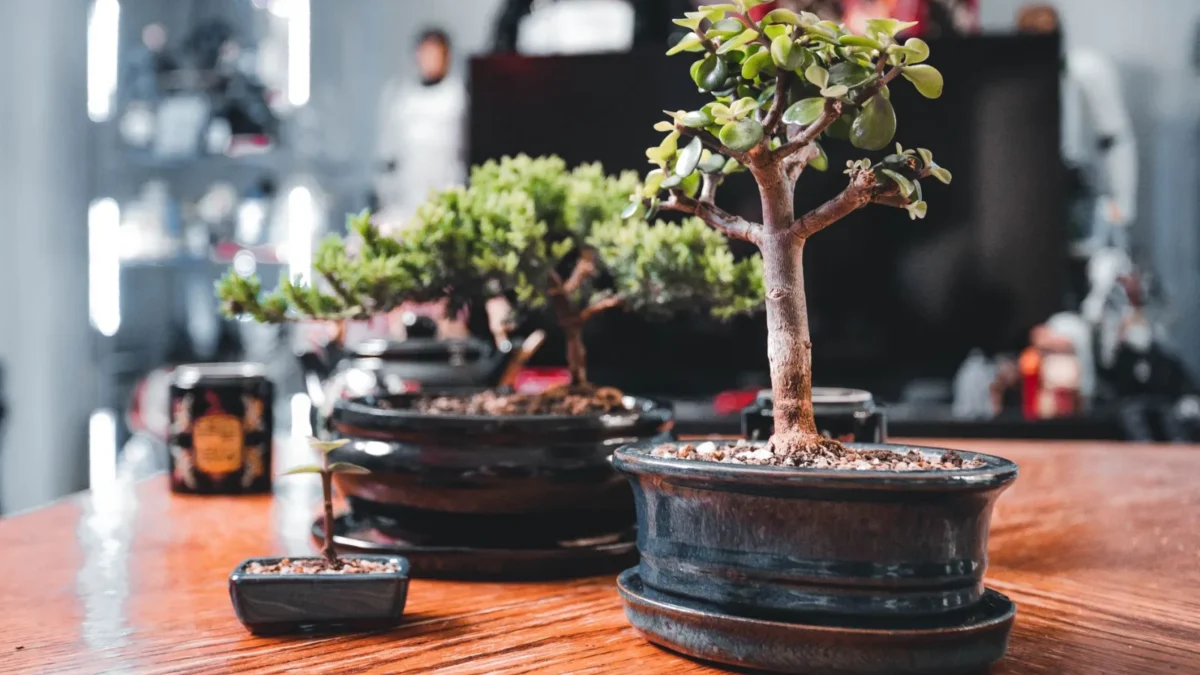
Quick answer: Yellow elephant bush leaves are usually caused by overwatering and soggy soil, though poor drainage, nutrient deficiency, and light problems can also turn them yellow. The fix depends on what’s causing it—check your soil moisture and drainage first.
| Botanical name | Portulacaria afra |
|---|---|
| Light | Bright indirect light; 5-6 hours direct sunlight per day |
| Watering | Water when top 2 inches of soil completely dry; every 2-3 weeks typically |
| Humidity | Minimal; average household humidity sufficient; 30-50% ideal |
| Temperature | 65-80°F (18-27°C); keep above 30°F (-1°C); protect from frost |
| Soil | Very well-drained cactus or succulent compost with perlite, sand, or gravel |
| Feeding | Diluted balanced liquid fertilizer monthly during growing season; use low nitrogen or cactus fertilizer |
| Size | Height 1.5-2.5 m; spread 1-1.5 m |
| Difficulty | easy |
| What you see | Likely cause | What to do |
|---|---|---|
| Yellow leaves; soft, translucent, or puffy texture; pot stays heavy | Overwatering or waterlogged soil | Repot in fresh, dry soil; remove rotten roots; reduce watering frequency |
| Yellow leaves; thin, wrinkled, dull appearance | Underwatering | Water thoroughly; leaves should plump up within days |
| Yellow leaves; stunted growth; pale color | Nutrient deficiency | Feed with diluted balanced or cactus fertilizer monthly during spring and summer |
| Yellow and crispy leaves; too much direct sun | Sunburn | Move to a location with bright indirect light and 5-6 hours of direct sun |
| Pale, yellow leaves; leggy growth | Insufficient light | Move to a brighter location so moisture evaporates faster |
| Yellow leaves; plant exposed to cold | Cold stress | Move away from cold drafts; keep above 30°F (−1°C) |
Why Overwatering Is the Main Culprit
Roots that sit in soggy soil can’t absorb the nutrients your plant needs. If water stays in the soil for more than 2–3 days, root rot sets in quickly. The first signs are swollen, discolored leaves—often yellow—that feel soft and slightly puffy.
Elephant bush stores water in its leaves naturally, making it drought-tolerant. This means it needs far less water than you might think. Water only when the top 2 inches of soil are completely dry, usually every 2–3 weeks.
How to Fix Overwatered Elephant Bush
- Check the soil immediately. Stick your finger 2 inches deep; if it feels wet or damp, root rot may have started.
- If the pot stays heavy and soil is waterlogged, repot the plant in fresh, well-draining cactus or succulent compost. Remove any black or mushy roots—these are rotted and won’t recover.
- Use a pot with drainage holes and soil that drains fast. Cactus compost with perlite, sand, or gravel works best.
- Water using the “soak and dry” method: pour lukewarm water until it drains from the bottom, then wait for the soil to dry completely before watering again.
- Move the plant to a brighter location so moisture evaporates faster.
Poor Lighting or Nutrient Deficiency
Yellow leaves that look pale and lack vigor often signal insufficient nutrients. Feed your elephant bush with diluted balanced liquid fertilizer or low-nitrogen cactus fertilizer once monthly during spring and summer only—skip winter feeding.
If your plant is in too much shade, leaves become pale and yellow because there’s not enough light for photosynthesis. Move it to a spot where it gets 5–6 hours of direct sunlight daily.
Sunburn and Cold Stress
Too much intense direct sun, especially if your plant wasn’t acclimated gradually, can scorch leaves yellow and crispy. If this happens, move it to bright indirect light and give it time to recover.
Cold exposure also causes yellow leaves. Elephant bush prefers temperatures between 65–80°F (18–27°C). Keep it above 30°F (−1°C) and protect it from frost.
How to Prevent Yellowing Leaves
Water only when the soil is dry to prevent the most common problem—overwatering. Use well-draining cactus compost and ensure your pot has drainage holes so water doesn’t pool at the base. Feed monthly during the growing season, give your plant bright indirect light with 5–6 hours of direct sun, and keep it away from cold drafts. Check soil moisture before watering every time rather than watering on a fixed schedule.
Read the full guide: Elephant Bush Care: The Complete Guide
More about Elephant Bush
The same problem in other plants
- Why Are My Orange Bird of Paradise Leaves Turning Orange?
- Why Is My Pencil Cactus Turning Yellow?
- Why Are My Pink Princess Philodendron Leaves Turning Yellow?
- Why Are My Fishbone Cactus Leaves Turning Yellow?
Sources
- Portulacaria afra (Elephant Bush): All You Need To Know
- Elephant Bush (Portulacaria afra): Care and Succulent Growing Guide
- How to Care for Portulacaria Afra
Photo: Erik Mclean / Pexels, Pexels