Elephant Bush Portulacaria afra
Is Elephant Bush Toxic to Cats, Dogs, and Other Pets?
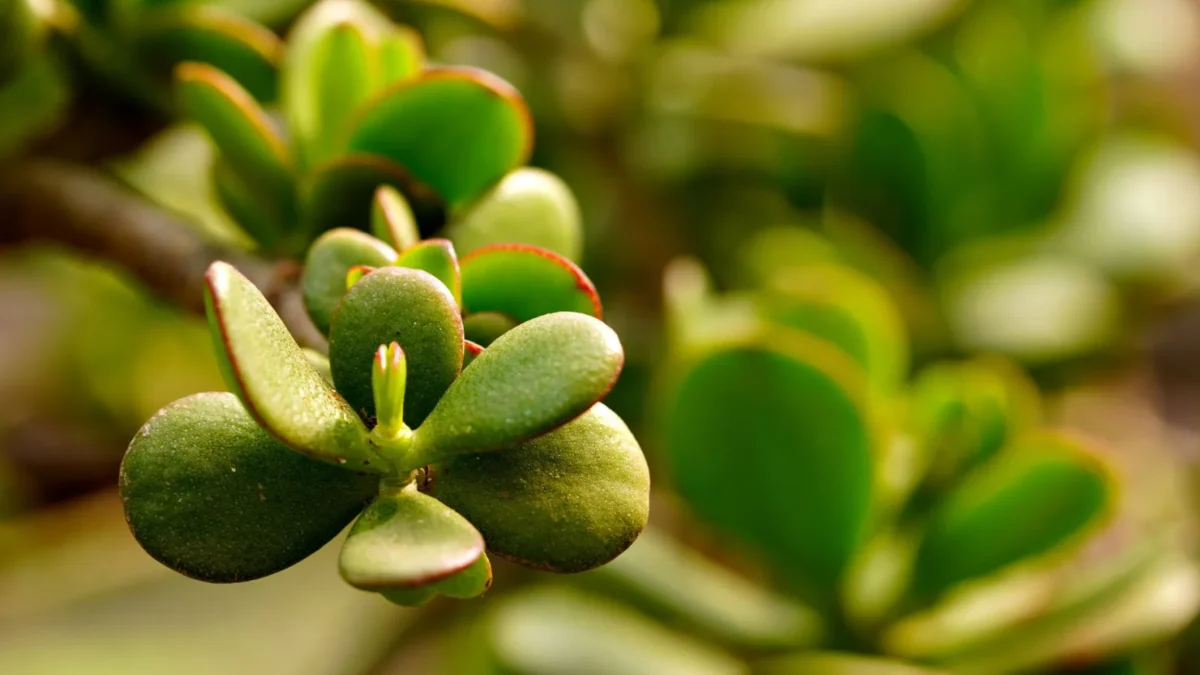
Quick answer: Elephant Bush (Portulacaria afra) is listed by the ASPCA as non-toxic to dogs and cats, so it’s safe to keep in homes with these pets. The foliage is even edible and is grazed by tortoises in its native South Africa.
| Botanical name | Portulacaria afra |
|---|---|
| Light | Bright indirect light; 5-6 hours direct sunlight per day |
| Watering | Water when top 2 inches of soil completely dry; every 2-3 weeks typically |
| Humidity | Minimal; average household humidity sufficient; 30-50% ideal |
| Temperature | 65-80°F (18-27°C); keep above 30°F (-1°C); protect from frost |
| Soil | Very well-drained cactus or succulent compost with perlite, sand, or gravel |
| Feeding | Diluted balanced liquid fertilizer monthly during growing season; use low nitrogen or cactus fertilizer |
| Size | Height 1.5-2.5 m; spread 1-1.5 m |
| Difficulty | easy |
Elephant Bush and common household pets
If your cat or dog chews on your Elephant Bush, there’s no toxic risk. The plant carries no recognized toxic principle. Eating a large amount might cause mild, temporary stomach upset simply from the volume of plant material, as with any non-toxic plant—but this is rare and not a serious concern.
Since the foliage is actually edible, you don’t need to worry about accidental nibbling. This makes Elephant Bush one of the safer succulent choices for pet owners.
What about other pets?
If you have bearded dragons or other reptiles, Elephant Bush is safe. The plant’s edible nature and pet-safe status mean it poses no chemical risk to various animals. However, always supervise young pets around any houseplant, as physical damage to the plant or choking hazards from pot materials should still be considered.
For unusual or exotic pets not listed here, consult your veterinarian if you’re uncertain about whether they can safely interact with the plant.
What if my pet eats a lot of Elephant Bush?
Mild stomach upset is the only likely issue if a pet consumes a large amount of foliage, but this is uncommon and not dangerous. The plant itself is non-toxic.
Can humans safely handle and eat Elephant Bush?
Yes. The foliage is edible and safe to touch, making it a worry-free plant for families with children and pets.
Read the full guide: Elephant Bush Care: The Complete Guide
More about Elephant Bush
The same problem in other plants
- Is Orange Bird of Paradise Toxic to Cats and Dogs?
- Is Baby Tears Safe for Cats and Dogs?
- Is Pencil Cactus Toxic to Dogs and Cats?
- Is Pink Princess Philodendron Toxic to Cats and Dogs?
Sources
- Is Elephant bush (Portulacaria) Toxic to Dogs? No — Pet-Safe
- Is Variegated Elephant Bush Toxic to Cats & Dogs? No
- Articles > Selection
Photo: hartono subagio / Pexels, Pexels