Elephant Bush Portulacaria afra
How Often to Water Elephant Bush: The Complete Watering Schedule
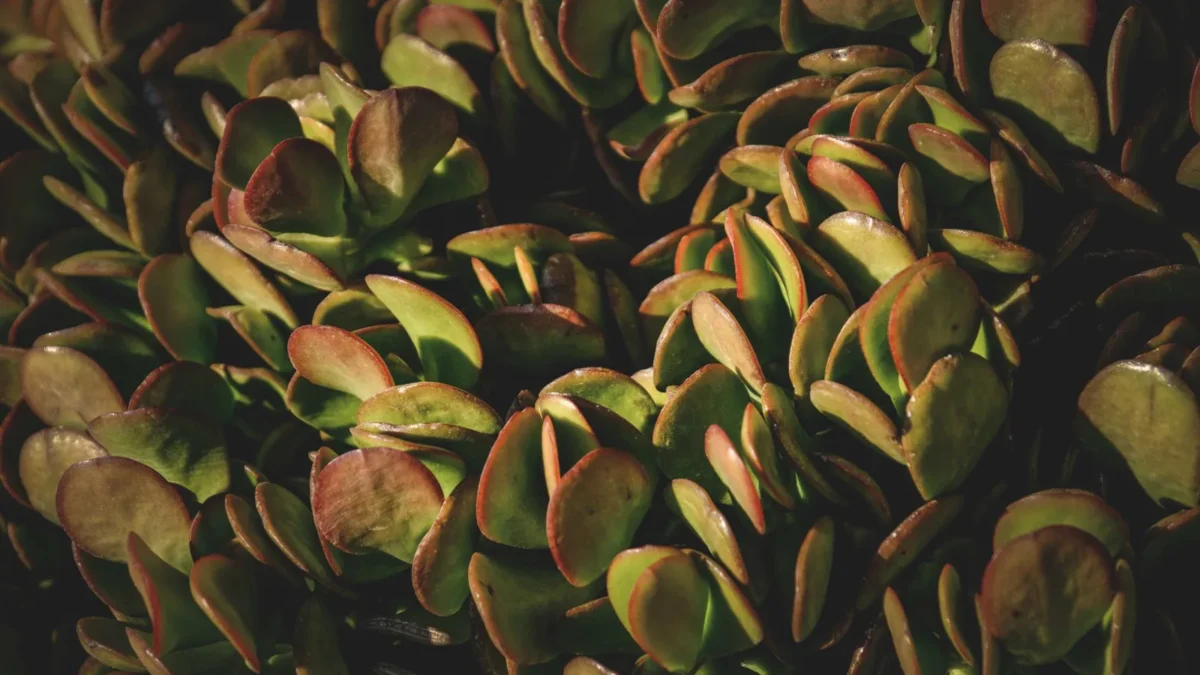
Quick answer: Water your elephant bush every 2-3 weeks during the growing season when the top 2 inches of soil are completely dry. In winter, cut back to once every 3–4 weeks as the plant goes dormant and soil dries slowly. Overwatering is the biggest killer—roots rot quickly if soil stays wet for more than 2–3 days.
| Botanical name | Portulacaria afra |
|---|---|
| Light | Bright indirect light; 5-6 hours direct sunlight per day |
| Watering | Water when top 2 inches of soil completely dry; every 2-3 weeks typically |
| Humidity | Minimal; average household humidity sufficient; 30-50% ideal |
| Temperature | 65-80°F (18-27°C); keep above 30°F (-1°C); protect from frost |
| Soil | Very well-drained cactus or succulent compost with perlite, sand, or gravel |
| Feeding | Diluted balanced liquid fertilizer monthly during growing season; use low nitrogen or cactus fertilizer |
| Size | Height 1.5-2.5 m; spread 1-1.5 m |
| Difficulty | easy |
When to water: the soak and dry method
Elephant bush stores water in its leaves, so it’s far more tolerant of dryness than wetness. The best approach is the “soak and dry” method: water thoroughly until it drains from the bottom, then wait until the soil is completely dry before watering again.
To check if it’s time to water, insert your finger into the soil up to your knuckle. Water only when the top 2 inches are completely dry. This simple test prevents the guesswork and stops you from watering too soon.
Pour lukewarm water evenly across the pot until it runs out the drainage hole, then stop. Make sure there’s good drainage—never let the pot sit in a saucer of standing water.
Seasonal watering schedule
Your elephant bush has different needs depending on the season:
Growing season (spring and summer): Water every 7–10 days in the hottest months. If conditions are particularly warm and dry, you may need to water weekly.
Dormant season (autumn and winter): Reduce watering to once every 3–4 weeks. Winter soil dries slowly in cool conditions, so check before you water. At most, water monthly in winter.
The general rule is to water well from mid-spring through mid-autumn, then keep the soil almost dry the rest of the time.
Why overwatering kills elephant bush
Overwatering is the most common way to kill this succulent. Roots rot quickly in waterlogged soil—it only takes 2–3 days of wet conditions to damage them. When roots can’t absorb oxygen, fungal rot takes hold.
Watch for these early warning signs of overwatering:
- Swollen, discolored leaves
- Soft, slightly translucent or puffy leaves
- Stems that feel less firm
- The pot stays heavy for days after watering
- Yellowing leaves, especially at the base
If the stems start turning brown or black from the bottom, rot has set in. At this point, replant the elephant bush in fresh soil and remove any rotten roots.
Signs your elephant bush needs water
Underwatering is less common but does happen. When the plant is too dry, leaves become thinner, wrinkled, and lose their glossy appearance before falling off. The good news: a quick drink of water usually fixes it. The plant should perk up within a few days, and leaves will plump back up.
For faster growth and lusher foliage, give your elephant bush adequate water during the growing season—though it will survive with less.
Getting the soil and drainage right
Watering schedule alone isn’t enough; soil quality matters just as much. Use a well-draining cactus or succulent potting mix that includes perlite, sand, or gravel. Poor drainage combined with frequent watering is a recipe for root rot.
Repot every 2–3 years when roots begin to emerge from the drainage holes, using fresh soil mix to ensure adequate nutrients.
Read the full guide: Elephant Bush Care: The Complete Guide
More about Elephant Bush
The same problem in other plants
- How Often Should I Water My Baby Tears Plant?
- How Often to Water String of Dolphins: The Right Watering Schedule
- How Often to Water Pencil Cactus: A Complete Guide
- How Often Should You Water Your Fishbone Cactus?
Sources
- How to Care for Elephant Bush (Portulacaria afra)
- Elephant Bush (Portulacaria afra): Care and Succulent Growing Guide
- Is Your Elephant Bush Losing Leaves? Here`s Why – UnusualSeeds
Photo: Francesco Ungaro / Pexels, Pexels