Elephant Bush Portulacaria afra
How to Propagate Elephant Bush: A Step-by-Step Guide
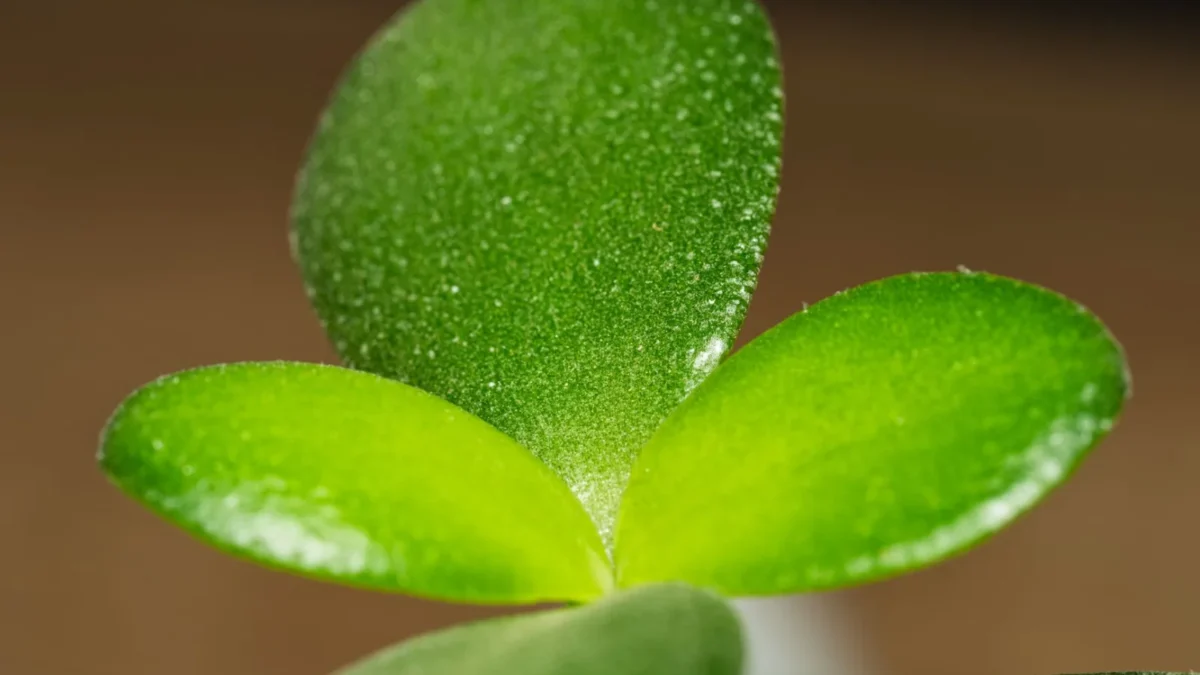
Quick answer: You can propagate elephant bush using stem cuttings, leaf cuttings, or water propagation. Stem cuttings are fastest and easiest, rooting in 4–6 weeks. The best time to take cuttings is spring or summer.
| Botanical name | Portulacaria afra |
|---|---|
| Light | Bright indirect light; 5-6 hours direct sunlight per day |
| Watering | Water when top 2 inches of soil completely dry; every 2-3 weeks typically |
| Humidity | Minimal; average household humidity sufficient; 30-50% ideal |
| Temperature | 65-80°F (18-27°C); keep above 30°F (-1°C); protect from frost |
| Soil | Very well-drained cactus or succulent compost with perlite, sand, or gravel |
| Feeding | Diluted balanced liquid fertilizer monthly during growing season; use low nitrogen or cactus fertilizer |
| Size | Height 1.5-2.5 m; spread 1-1.5 m |
| Difficulty | easy |
How to propagate elephant bush from stem cuttings
Stem cuttings are the most efficient method of propagating an elephant bush because they establish a complete plant faster than leaf cuttings.
- Choose a healthy stem and cut a 3–4 inch section just below the leaves.
- Remove any lower leaves, keeping at least one pair at the top of the cutting.
- Leave the cutting out to callus (dry out) for a few days before planting.
- Dip the cut end into rooting hormone powder for faster root development.
- Place the cutting in well-draining cactus or succulent compost.
- Avoid watering for the first 5–7 days, then water sparingly as roots begin to form.
Roots typically develop in 4 to 6 weeks in warm temperatures. Once you see new growth appearing on the stems, you can gradually increase watering.
How to propagate elephant bush leaf cuttings
Leaf cuttings work but take longer to produce a mature plant. Gently twist a healthy leaf from the parent plant, making sure to include a small section of the stem attached.
You can propagate leaf cuttings in water by submerging just the base of the leaves while keeping the bulk of the leaf above the surface. Change the water every other day to prevent mold and fungal problems. Roots will develop in 2–4 weeks. Once roots are established, transfer the cuttings to well-draining soil.
How to propagate elephant bush in water
For stem cuttings in water, place the bottom inch of the stem in a jar or glass of water. Change the water every other day to keep it fresh and prevent fungal growth. Cuttings develop roots in 2–4 weeks.
Transfer rooted cuttings to well-draining cactus or succulent compost as soon as there are sufficient roots. Water sparingly until new growth appears; the soil should remain mostly dry during this establishment phase.
Common mistakes to avoid
The biggest error is watering too soon. Newly planted cuttings don’t need water for the first 5–7 days; roots form in drier conditions. Once roots establish, keep the soil dry between waterings.
Another mistake is using regular potting soil instead of well-draining cactus or succulent compost. Poor drainage causes rot and kills cuttings before they root.
Taking cuttings at the wrong time also slows success. Spring and summer are ideal because the plant is actively growing and has energy to develop roots. Cuttings taken in autumn or winter root much more slowly.
FAQ
How long does it take for elephant bush to root?
Stem cuttings root in 4–6 weeks in warm conditions. Water propagation roots faster, in 2–4 weeks, but leaf cuttings take longer since they’re starting from scratch.
Do I need rooting hormone to propagate elephant bush?
Rooting hormone isn’t essential, but it speeds up root development. You can propagate without it, though rooted cuttings will take slightly longer to establish.
Can you propagate elephant bush from just a leaf?
Yes, you can use individual leaves. The downside is that leaf cuttings take much longer to grow into a complete plant compared to stem cuttings.
Read the full guide: Elephant Bush Care: The Complete Guide
More about Elephant Bush
The same problem in other plants
- How to Propagate Coffee Plant from Cuttings and Seeds
- How to Propagate Baby Tears Plant in Water and Soil
- How to Propagate Pencil Cactus from Cuttings
- How to Propagate Pink Princess Philodendron: Step-by-Step Methods
Sources
- Portulacaria afra (Elephant Bush) Propagation & Care – Moody Blooms
- Elephant Bush Succulent Care Guide – Sublime Succulents
- How to Grow an Elephant Bush (Portulacaria afra) – Paisley Plants
Photo: Mario Spencer / Pexels, Pexels