Haworthia Haworthiopsis attenuata
Haworthia Care: The Complete Guide to Growing Zebra Plants Indoors
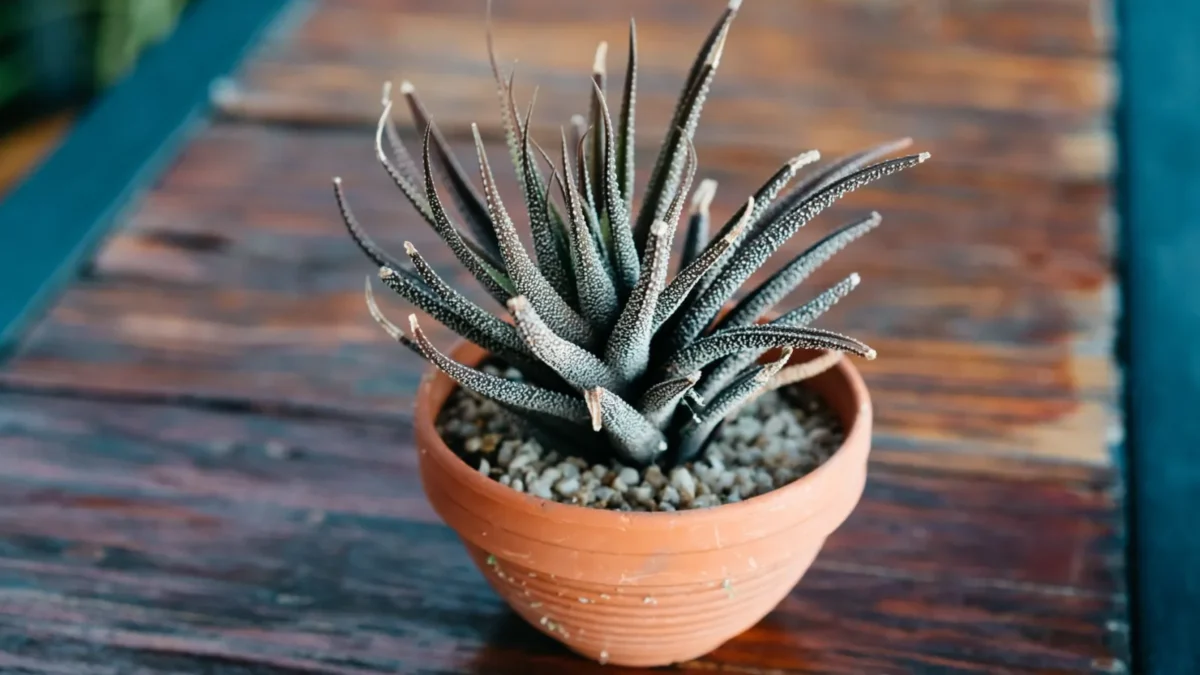
Haworthia care is straightforward enough that beginners thrive with these plants, yet they’re rewarding enough to keep experienced growers interested. This guide covers everything you need to know to grow healthy haworthia indoors, from lighting and watering to propagation and solving common problems. The single most important rule: water thoroughly, then wait until the soil is completely dry before watering again—this one habit prevents the root rot that kills more haworthias than any other problem.
| Botanical name | Haworthiopsis attenuata |
|---|---|
| Light | Bright indirect light, 2,000-3,000 lux for 4-6 hours daily; protect from hot afternoon sun |
| Watering | Water when top inch of soil is dry; every 2-3 weeks in summer, once monthly in winter |
| Humidity | Low humidity; average indoor humidity acceptable; requires good ventilation |
| Temperature | 60-85°F (15-29°C); protect from frost |
| Soil | 50-70% inorganic material (sand, perlite, pumice) and 30-50% organic material (cactus mix) |
| Feeding | Half-strength, low-nitrogen fertilizer once or twice during growing season; or diluted balanced fertilizer monthly |
| Size | 6-12 cm diameter rosettes; rarely exceeds 8 inches in height |
| Difficulty | easy |
| Cats | ✓ non-toxic |
| Dogs | ✓ non-toxic |
Key points
- Water only when the top inch of soil is dry; typically every 2–3 weeks in summer and once monthly in winter
- Bright indirect light of 2,000–3,000 lux for 4–6 hours daily keeps plants compact and colorful; direct afternoon sun causes leaf scorch within a week
- Use a soil mix of 50–70% inorganic material (sand, perlite, pumice) and 30–50% organic material (cactus mix)
- Temperatures of 60–85°F (15–29°C) are ideal; protect from frost
- These plants are non-toxic to cats and dogs, making them safe for households with pets
- Offsets propagate reliably and easily; leaf cuttings take longer but also work
Light Requirements for Haworthia
Haworthia want bright, indirect light measuring 2,000 to 3,000 lux at the leaf surface for 4 to 6 hours daily. East or west-facing windowsills work well, as they provide gentle morning or evening sun without harsh afternoon intensity.
Direct afternoon sun is the enemy. A south-facing windowsill with 6 hours of direct afternoon light will scorch the leaves within a week. Conversely, insufficient light causes a different problem: the plant stretches, loses its compact rosette shape, becomes an excessive light green, and loses its attractive markings. Placing a haworthia on a north-facing wall 3 metres from any window will cause this etiolation (stretching) within a month.
Indoor plants adapt to lower light by growing more slowly and losing their vibrant colors. If you notice your plant becoming lanky or losing its markings, move it closer to a window or increase light exposure.
Watering Your Haworthia Correctly
The watering rule is simple but critical: water thoroughly until water drains freely from the bottom of the pot, then do not water again until the top inch of soil is dry—not barely damp, but dry. This is the soak-and-dry method, and it prevents overwatering while maintaining hydration.
Summer and Spring Watering
During the growing season, water every 2–3 weeks in summer and once a month in winter. In very warm weather, when temperatures reach around 80–90°F, cut back watering further and water 1–2 times a month while continuing to check the soil.
Winter and Dormancy
In cooler months, haworthias enter dormancy and need far less water. During this period, water sparingly—approximately once every 4–6 weeks—ensuring the soil is completely dry before the next watering. In winter, reduce watering frequency to once every 3–6 weeks depending on indoor humidity and temperature. Always wait until the top inch of soil is completely dry.
Humidity and Temperature Needs
Haworthia require low humidity and good ventilation. However, they are not fussy about humidity and can thrive in average indoor humidity levels. This makes them suitable for most homes without any special humidification.
These succulents prefer temperatures between 60–85°F (15–29°C) and can tolerate slightly cooler temperatures but should be protected from frost. Avoid placing them near heating vents or cold drafts, and keep them away from windowsills on freezing nights.
Soil and Repotting Guide
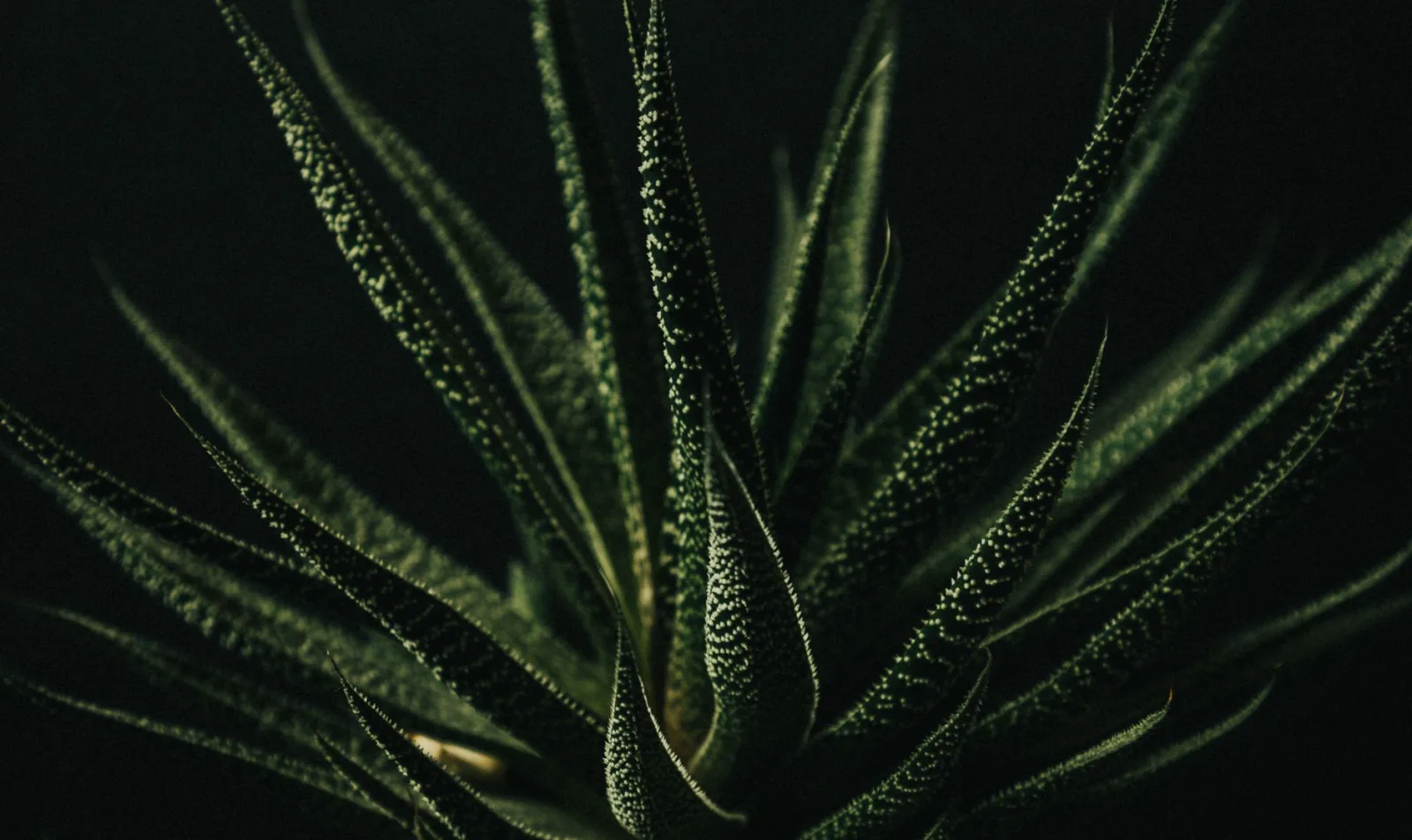
An ideal soil mix for haworthia consists of 50–70% inorganic material such as coarse sand, perlite, or pumice, and 30–50% organic material like cactus potting mix or regular potting soil. This balance ensures excellent drainage while retaining just enough moisture for the plant’s needs.
Cactus compost works well as the base. If your current mix holds too much water, add porous materials like perlite or pumice to improve drainage.
Repot haworthia every 2–3 years with fresh soil mix, and ensure pots have adequate drainage holes. The best time to repot is during spring or autumn, when the plant is actively growing or transitioning from dormancy.
Feeding and Fertilizer
Haworthia are light feeders and don’t need much fertilizer. During the growing season, apply a half-strength, low-nitrogen fertilizer once or twice. Alternatively, fertilize monthly during the growing season with a diluted balanced fertilizer. In winter, keep the plant almost dry and do not fertilize.
Pruning and Maintenance
No pruning is required for haworthia. These plants naturally grow as tight rosettes and do not need to be shaped or trimmed. Remove any dead or damaged leaves by hand if they appear, but otherwise leave the plant alone.
Propagation Methods
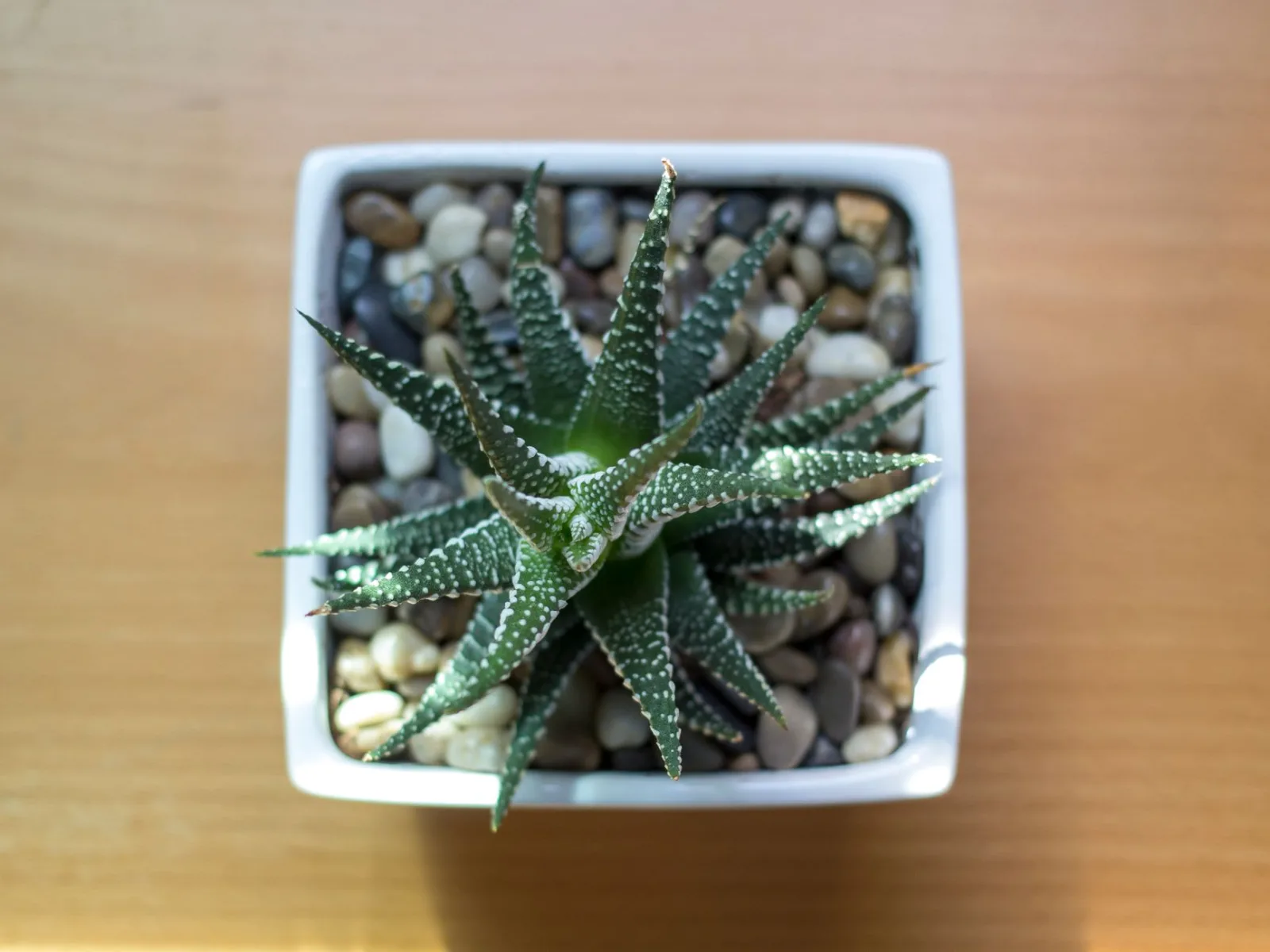
Haworthia propagates readily through two methods: leaf cuttings and offset division. The best time to propagate is spring and summer.
Offset Division (Easier Method)
Most haworthia species produce offsets—little baby clones of the parent plant—and this method of propagation is much easier and has much higher success rates than leaf cutting. Offsets pulled from the base root readily after a 2–3 day callus period.
Wait until the offset has at least four leaves so it will survive separation from the mother plant. The optimal periods for taking out offset shoots are during the repotting process in spring or autumn, where they are most common.
Once separated, allow the plantlets to dry before watering or withhold water for the first few days after potting. Water lightly after a week. After that, water just after the soil has dried out, which includes watering every 2–3 weeks.
Leaf Cutting Propagation
Leaf cutting propagation requires you to cut a healthy, young leaf from the haworthia plant with a sharp, sterilized knife. Avoid older leaves near the base of the plant, as they don’t root as well as juvenile leaves.
Make sure your haworthia is at the beginning of its growing season or at the end of its dormancy period. Give the leaf you’ve cut several days to dry and heal; if the edge of the leaf has scabbed over, it’s now ready to plant.
Fill a pot with cactus potting mix and place the leaf on the soil; water the leaf and put it in an area with plenty of bright, indirect light. Leaf rooting may take anywhere between two to five weeks.
Common Problems and Solutions
Root Rot and Overwatering
Root rot kills more haworthias than neglect does; it happens because the plant’s drought-tolerant appearance fools growers into watering on a schedule rather than reading the soil. Overwatering results in yellow or brown leaves that become soft and mushy. When soil never fully dries, roots suffocate, lower leaves turn yellow and squishy, leaves blacken (indicating root rot), and in worst cases the soil releases a foul odor.
Root rot occurs when roots turn brown and slimy, the stem softens from the base up, and the plant can no longer move water to its leaves—so paradoxically it wilts even though the soil is soaking.
If you suspect root rot, unpot the haworthia now and inspect the roots; firm white roots stay, mushy brown ones get trimmed. Take the plant out, remove the damaged roots, and plant it back to a different location, as the previous location may develop fungus. If the problem is overwatering, stop watering and wait for the plant’s reaction, making sure it is under bright light, which may help to dry the soil faster.
Sunburn and Leaf Discoloration
Too much direct sun can cause the leaves to turn reddish or brown and may lead to sunburn. Move the plant away from intense afternoon rays, especially through south-facing windows.
Etiolation (Stretching)
If you notice your plant becoming lanky, losing markings, or stopping being compact, more light is needed. Move it closer to a bright window or provide supplemental grow lighting.
Pests
Haworthia are generally resistant to pests but may attract mealybugs or spider mites, which can be treated with insecticidal soap or neem oil. Inspect the plant regularly, paying attention to the leaf bases and soil surface where pests often hide.
FAQ
Is Haworthia Toxic to Pets?
Haworthia is non-toxic to cats and non-toxic to dogs. According to the ASPCA, haworthias are not listed as toxic to cats, dogs, or horses. Haworthia contains none of the saponins or anthraquinones that make aloe dangerous.
What if My Pet Eats the Plant?
If a curious cat bats at its spiky leaves or a dog bites it, they will not suffer any toxic effects; eating succulent tissue can cause mild stomach upset from the moisture and fiber, but this resolves without veterinary care. While haworthia isn’t toxic, eating non-food items can sometimes lead to digestive upset, so while your cat is unlikely to suffer from poisoning, they might experience a bit of tummy trouble.
How Often Should I Water My Haworthia?
Water every 2–3 weeks in summer and once a month in winter, but only when the top inch of soil is completely dry. The key is to check the soil before watering rather than following a rigid schedule.
How Big Does Haworthia Get?
Haworthia are small succulents with rosettes 6–12 cm in diameter and rarely exceed 8 inches in height. This makes them perfect for desks, shelves, and windowsills.
Can Haworthia Survive in Low Light?
Plants can adapt to lower light conditions, making them suitable for indoor environments, but they may grow more slowly and lose their vibrant colors in insufficient light. For best results, provide bright indirect light for 4–6 hours daily.
Why Is My Haworthia Stretching?
Etiolation happens when the plant doesn’t receive enough light; it becomes lanky, loses its compact form, and loses its markings. Move it to a brighter location or increase light exposure to restore its appearance.
About Haworthia
Haworthiopsis attenuata, formerly known as Haworthia attenuata, is a small succulent plant from the Eastern Cape Province, South Africa. It belongs to the family Asphodelaceae. Also known as the Zebra Plant, haworthia is often described as a miniature aloe plant. These resilient succulents are a fantastic choice for both novice and experienced plant enthusiasts, known for their compact size, striking appearance, and minimal care requirements.
More about Haworthia
Sources
- Haworthiopsis attenuata
- The Ultimate Guide to Caring for Haworthia Succulents
- Haworthia Plant Care Guide: Grow These Charming Succulents 🌟 – Healthy Houseplants
Photo: Markus Winkler / Pexels, Pexels