Haworthia Haworthiopsis attenuata
Why Is My Haworthia Turning Red, Yellow, or Dark?
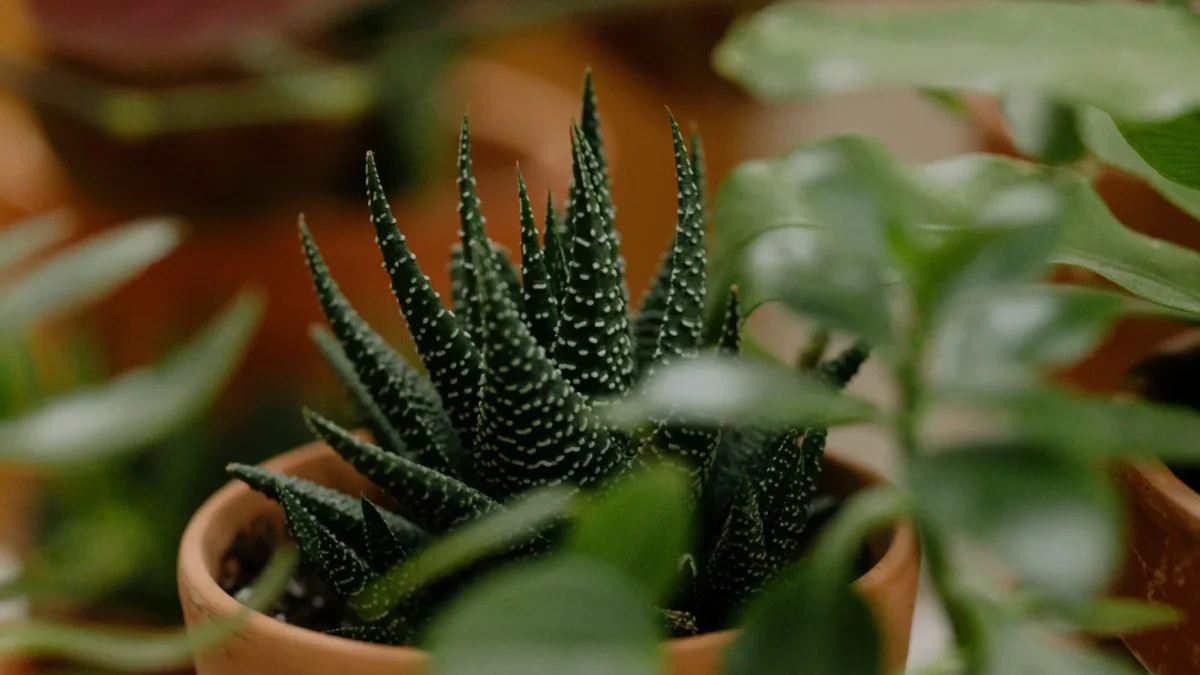
Quick answer: Your haworthia is turning red or brown because of too much direct sun, yellow because of overwatering, or dark because of root rot. Each color tells you exactly what your plant needs.
| Botanical name | Haworthiopsis attenuata |
|---|---|
| Light | Bright indirect light, 2,000-3,000 lux for 4-6 hours daily; protect from hot afternoon sun |
| Watering | Water when top inch of soil is dry; every 2-3 weeks in summer, once monthly in winter |
| Humidity | Low humidity; average indoor humidity acceptable; requires good ventilation |
| Temperature | 60-85°F (15-29°C); protect from frost |
| Soil | 50-70% inorganic material (sand, perlite, pumice) and 30-50% organic material (cactus mix) |
| Feeding | Half-strength, low-nitrogen fertilizer once or twice during growing season; or diluted balanced fertilizer monthly |
| Size | 6-12 cm diameter rosettes; rarely exceeds 8 inches in height |
| Difficulty | easy |
| Cats | ✓ non-toxic |
| Dogs | ✓ non-toxic |
Haworthia Turning Red or Brown from Too Much Sun
When your haworthia turns reddish or brown, the most likely culprit is excessive direct sunlight. Your plant needs bright indirect light measuring 2,000 to 3,000 lux for 4 to 6 hours daily. Even a week on a south-facing windowsill with 6 hours of direct afternoon light will cause leaf scorch.
Move your plant to an east or west-facing spot where it catches gentle morning or evening sun, or place it a short distance from a bright window. The red or brown color should fade as new growth appears, though damaged leaves won’t recover their original appearance.
Haworthia Turning Yellow from Overwatering
Yellow leaves, especially soft and mushy ones, point to overwatering. The problem: haworthias store water in their leaves and are prone to rot if the soil stays wet. When soil never fully dries, roots suffocate and lower leaves turn yellow and squishy.
Water only when the top inch of soil is completely dry—not barely damp, but dry. In summer, this means every 2–3 weeks; in winter, once a month or even less. If leaves are already mushy, stop watering immediately and place the plant in bright light, which helps the soil dry faster.
Haworthia Turning Light Green or Losing Markings from Low Light
If your haworthia becomes excessively light green, loses its distinctive markings, or grows tall and lanky instead of staying compact, it’s not getting enough light. Low light causes slow growth and loss of vibrant color. Move it closer to a window or under a bright spot to restore its appearance and tight rosette form.
Haworthia Turning Black or Dark from Root Rot
Dark or black leaves indicate root rot, the most serious problem. This happens when overwatering or poor drainage goes uncorrected: roots turn brown and slimy, the stem softens from the base up, and the plant wilts despite wet soil.
Unpot your haworthia and inspect the roots. Firm white roots are healthy; remove mushy brown ones with a clean knife. Plant it in fresh cactus mix (50–70% inorganic material like sand or perlite, 30–50% organic like cactus potting soil). Use a pot with drainage holes and place it in bright light. Don’t water for several days, then resume the dry-between-waterings routine.
FAQ
Can cold temperatures turn my haworthia colors?
Cold doesn’t directly change leaf color, but haworthias prefer 60–85°F (15–29°C) and should be protected from frost. Keep yours away from cold windowsills in winter.
Is my haworthia toxic if my cat eats a colored leaf?
No. Haworthia is non-toxic to cats and dogs. Eating the tissue might cause mild digestive upset from the moisture and fiber, but it will resolve without veterinary care.
Read the full guide: Haworthia Care: The Complete Guide
More about Haworthia
Sources
- Haworthia Plant Care Guide: Grow These Charming Succulents 🌟 – Healthy Houseplants
- Why is my haworthia drooping? — causes + fix
- How Often To Water Haworthia? (Haworthia Water Requirements)
Photo: cottonbro studio / Pexels, Pexels