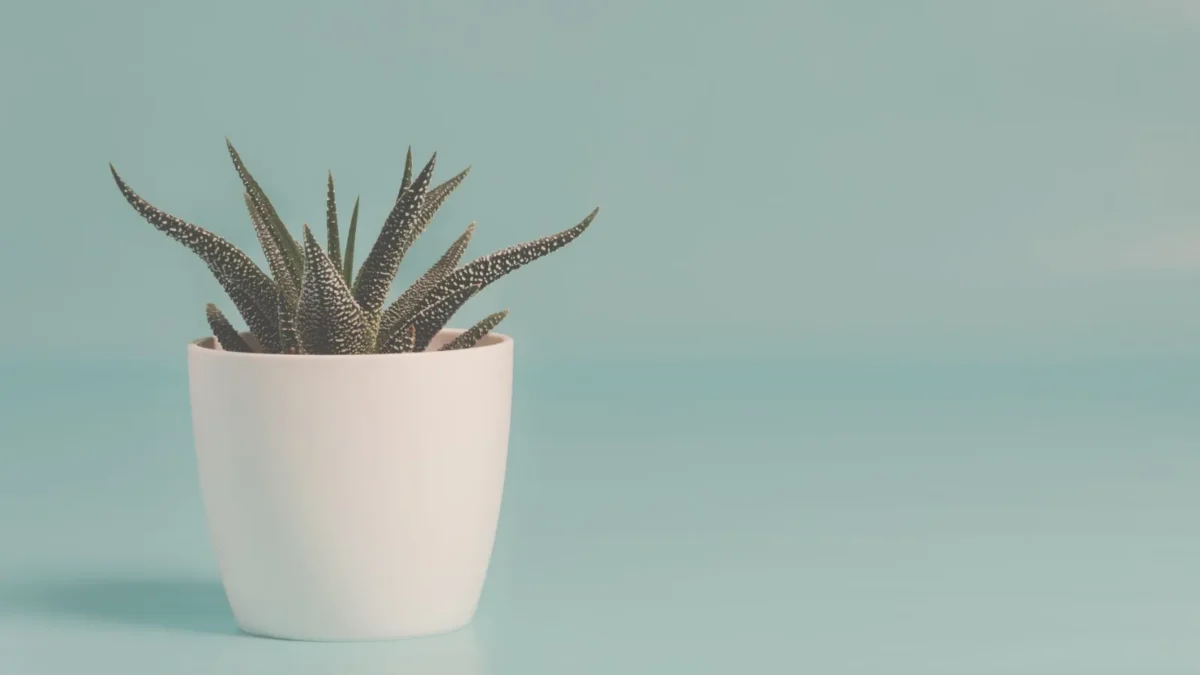
Haworthia Haworthiopsis attenuata
Is Haworthia Toxic to Cats, Dogs, and Other Pets?
Quick answer
Quick answer: Haworthia is non-toxic to cats. Haworthia is also non-toxic to dogs. According to the ASPCA, haworthias are not listed as toxic to cats, dogs, or horses.
| Botanical name | Haworthiopsis attenuata |
|---|---|
| Light | Bright indirect light, 2,000-3,000 lux for 4-6 hours daily; protect from hot afternoon sun |
| Watering | Water when top inch of soil is dry; every 2-3 weeks in summer, once monthly in winter |
| Humidity | Low humidity; average indoor humidity acceptable; requires good ventilation |
| Temperature | 60-85°F (15-29°C); protect from frost |
| Soil | 50-70% inorganic material (sand, perlite, pumice) and 30-50% organic material (cactus mix) |
| Feeding | Half-strength, low-nitrogen fertilizer once or twice during growing season; or diluted balanced fertilizer monthly |
| Size | 6-12 cm diameter rosettes; rarely exceeds 8 inches in height |
| Difficulty | easy |
| Cats | ✓ non-toxic |
| Dogs | ✓ non-toxic |
Why haworthia is safe for your pets
Unlike aloe, which shares a similar appearance, haworthia contains none of the saponins or anthraquinones that make aloe dangerous. If a curious cat bats at its spiky leaves or a dog bites it, they will not suffer any toxic effects.
That said, eating non-food items can sometimes lead to mild digestive upset. If your cat or dog chews on the succulent tissue, they might experience a bit of tummy trouble from the moisture and fiber, but this resolves without veterinary care.
Is haworthia safe for other pets?
There are no specific toxicity reports for haworthia and bearded dragons or other reptiles in reliable sources. If your bearded dragon or other pet has chewed the plant and you notice unusual behaviour or appetite changes, contact a reptile veterinarian for peace of mind.
For humans, haworthia poses no toxicity risk if accidentally ingested, though it is not intended as food.
FAQ
Is zebra haworthia toxic to cats?
No. Haworthia, also known as zebra plant, is not toxic to cats.
What happens if my pet eats haworthia?
Eating succulent tissue can cause mild stomach upset from the moisture and fiber, but this resolves without veterinary care. If your pet shows persistent vomiting, diarrhoea, or loss of appetite, contact your vet.
Read the full guide: Haworthia Care: The Complete Guide
More about Haworthia
The same problem in other plants
- Is Cast Iron Plant Toxic to Cats and Dogs?
- Is Lucky Bamboo Toxic to Cats, Dogs, and Other Pets?
- Is Echeveria Toxic to Cats and Dogs?
- Is Bird's Nest Fern Toxic to Cats and Dogs?
Sources
- Toxic and Non-toxic Plants: Haworthia
- Is Haworthia Toxic to Dogs & Cats? ✅ Non-Toxic
- Is Haworthia Toxic to Cats?
Photo: Ylanite Koppens / Pexels, Pexels