Haworthia Haworthiopsis attenuata
How Often to Water Haworthia: The Right Schedule
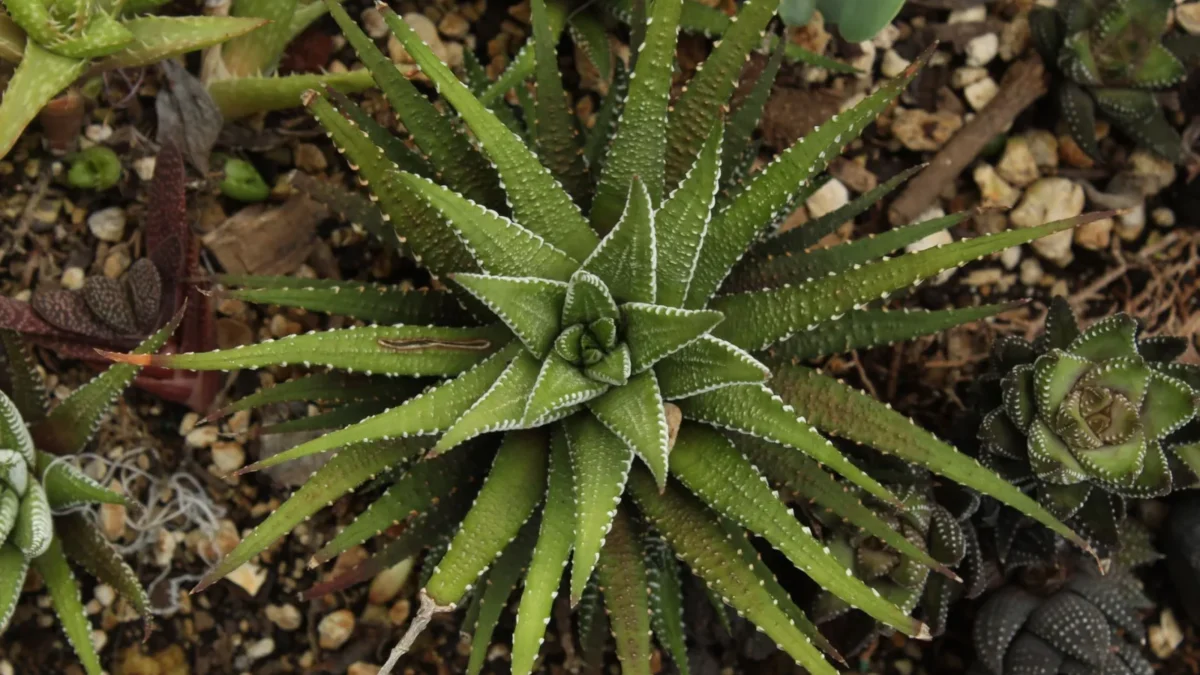
Quick answer: How often? Water haworthia every 2-3 weeks during the growing season (spring and summer), and once a month in winter. The key is to water thoroughly until it drains from the bottom, then wait until the top inch of soil is completely dry before watering again. This simple rule prevents the root rot that kills more haworthias than any other problem.
| Botanical name | Haworthiopsis attenuata |
|---|---|
| Light | Bright indirect light, 2,000-3,000 lux for 4-6 hours daily; protect from hot afternoon sun |
| Watering | Water when top inch of soil is dry; every 2-3 weeks in summer, once monthly in winter |
| Humidity | Low humidity; average indoor humidity acceptable; requires good ventilation |
| Temperature | 60-85°F (15-29°C); protect from frost |
| Soil | 50-70% inorganic material (sand, perlite, pumice) and 30-50% organic material (cactus mix) |
| Feeding | Half-strength, low-nitrogen fertilizer once or twice during growing season; or diluted balanced fertilizer monthly |
| Size | 6-12 cm diameter rosettes; rarely exceeds 8 inches in height |
| Difficulty | easy |
| Cats | ✓ non-toxic |
| Dogs | ✓ non-toxic |
The Basic Watering Rule
Haworthia store water in their leaves and prefer the “soak and dry” method. Water your plant thoroughly so water runs freely out of the drainage holes, then stop. Do not water again until the top inch of soil is dry to the touch—not just barely damp, but genuinely dry.
This matters because haworthias come from the Eastern Cape Province in South Africa, where rainfall is infrequent. They thrive on neglect, and watering on a fixed schedule is the biggest mistake growers make. Read your soil instead of your calendar.
Watering in Summer and Spring
During the warm months when your haworthia is actively growing, water every 2-3 weeks. Once the temperature climbs toward 80–90°F, cut back further and water only 1–2 times a month. Always check that the soil is dry first—if it still holds moisture, skip watering and check again in a few days.
Watering in Winter
As temperatures cool and daylight shortens, your haworthia enters dormancy and needs far less water. Reduce watering to once every 3–6 weeks, depending on your indoor humidity and temperature. Keep the soil almost completely dry during this rest period. If your home is particularly warm or dry indoors, you may water closer to once every 3 weeks; if it’s cool and humid, stretch it to 6 weeks.
Signs You’re Watering Too Much
Overwatering causes yellow or brown leaves that feel soft and mushy. If the soil stays wet for weeks, the roots suffocate and lower leaves turn yellow and squishy. In severe cases, leaves blacken, indicating root rot. The soil may release a foul odor.
If you catch overwatering early, stop immediately and place your plant in bright light to help the soil dry faster. If roots are already rotted (brown and slimy), unpot the plant, trim the damaged roots, and repot it into fresh soil in a different location, since the old spot may harbor fungus. Add porous materials like perlite to your soil mix to improve drainage.
FAQ
How often should I water haworthia after repotting?
Allow newly potted haworthia to dry for several days before the first watering to let roots settle and any wounds heal. Then follow your normal schedule: every 2–3 weeks in the growing season, checking that the top inch of soil is dry first.
Does haworthia need different watering in summer versus winter?
Yes— summer watering is every 2–3 weeks, while winter watering drops to roughly once every 4–6 weeks as the plant goes dormant. Always verify the soil is dry before watering in either season.
What soil mix helps prevent overwatering?
Use a mix of 50–70% inorganic material (sand, perlite, or pumice) and 30–50% organic material like cactus potting mix. This balance drains quickly and prevents soggy conditions that lead to root rot.
Read the full guide: Haworthia Care: The Complete Guide
More about Haworthia
The same problem in other plants
- How Often Should You Water Kalanchoe?
- How Often Should You Water Lucky Bamboo?
- How Often Should You Water Echeveria?
- How Often Should You Water a Bird's Nest Fern?
Sources
- How Often To Water Haworthia? (Haworthia Water Requirements)
- How to Care for Haworthia Plant Guide
- Haworthia Care Guide: Species, Varieties, and the Watering Rule That Prevents Root Rot
Photo: Silva Montanis / Pexels, Pexels