Haworthia Haworthiopsis attenuata
How to Propagate Haworthia: Step-by-Step Guide
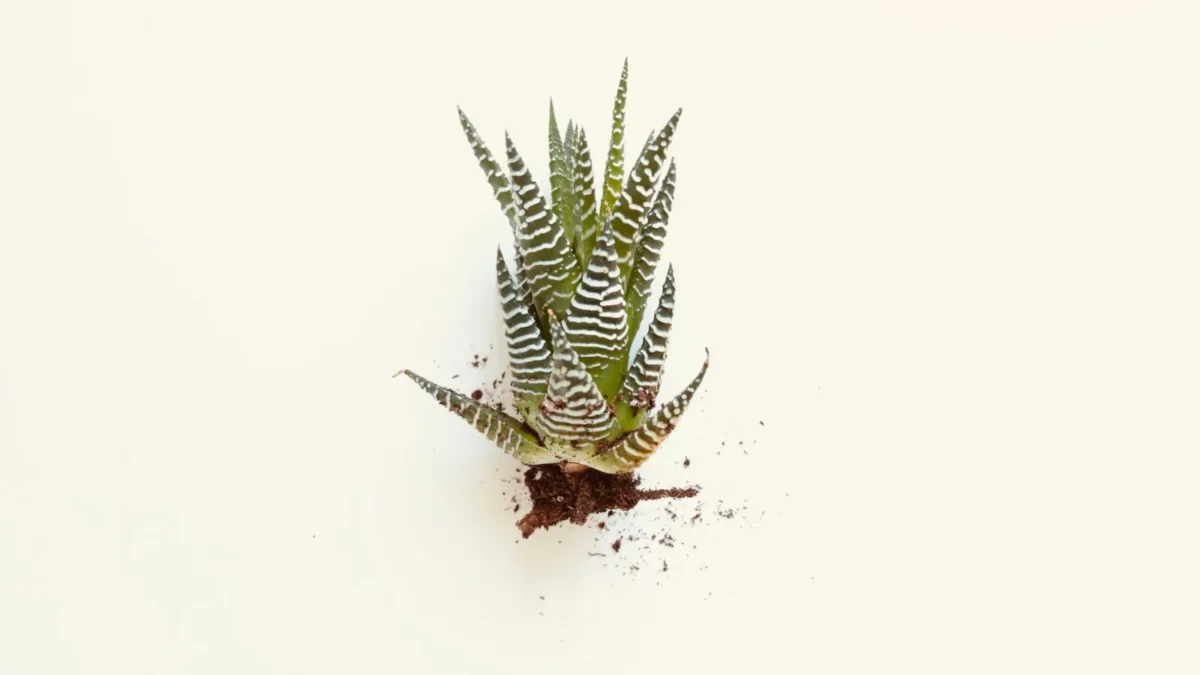
Quick answer: Here’s how: The easiest way to propagate haworthia is by removing offsets (pups) from the base of the plant and potting them separately. Leaf propagation also works but takes longer and has lower success rates.
| Botanical name | Haworthiopsis attenuata |
|---|---|
| Light | Bright indirect light, 2,000-3,000 lux for 4-6 hours daily; protect from hot afternoon sun |
| Watering | Water when top inch of soil is dry; every 2-3 weeks in summer, once monthly in winter |
| Humidity | Low humidity; average indoor humidity acceptable; requires good ventilation |
| Temperature | 60-85°F (15-29°C); protect from frost |
| Soil | 50-70% inorganic material (sand, perlite, pumice) and 30-50% organic material (cactus mix) |
| Feeding | Half-strength, low-nitrogen fertilizer once or twice during growing season; or diluted balanced fertilizer monthly |
| Size | 6-12 cm diameter rosettes; rarely exceeds 8 inches in height |
| Difficulty | easy |
| Cats | ✓ non-toxic |
| Dogs | ✓ non-toxic |
Best methods for propagating haworthia
Haworthia naturally produce offsets that can be separated and grown independently. This makes offset division the most reliable method. Leaf propagation is possible but slower—it typically takes two to five weeks for roots to develop.
How to propagate haworthia from pups
Offset division is faster and more successful than leaf cuttings. Here are the steps:
-
Wait for the right time. The best periods to propagate haworthia are spring and summer. Optimal timing is during repotting in spring or autumn.
-
Choose a mature offset. Select a pup that has at least four leaves so it can survive separation.
-
Remove and callus the offset. Gently separate the pup from the mother plant and allow it to dry for 2–3 days until the cut edge has scabbed over.
-
Plant in proper soil. Use a cactus potting mix with 50–70% inorganic material (sand, perlite, or pumice) and 30–50% organic material.
-
Withhold water initially. Allow the plantlet to dry before watering, or hold off water for the first few days. Water lightly after a week.
-
Establish a watering routine. Once established, water every 2–3 weeks when the soil has dried out completely.
Roots will develop within 2–3 weeks after the callus forms. New growth follows shortly after.
How to propagate haworthia from leaves
Leaf propagation requires patience but works if you follow the steps carefully:
-
Select a young, healthy leaf. Cut a leaf from the haworthia with a sharp, sterilized knife, choosing juvenile leaves from the upper part of the plant rather than older ones at the base.
-
Time it correctly. Start propagation at the beginning of the growing season or at the end of dormancy.
-
Let the leaf dry. Wait several days for the cut edge to scab over completely.
-
Place on soil. Fill a pot with cactus mix and lay the leaf on the surface. Place it in bright, indirect light.
-
Water sparingly. Do not water immediately. After a week, water lightly.
-
Maintain consistent care. Water when the soil dries out—roughly every 2–3 weeks.
Roots typically appear within two to five weeks. Once roots form, small plantlets will develop from the base of the leaf.
Common mistakes when propagating haworthia
Overwatering new plantlets is the biggest cause of failure. Young haworthia are drought-tolerant and rot quickly in wet soil. Wait until the soil is completely dry before watering, and avoid the temptation to water on a schedule.
Using old leaves for leaf cuttings reduces success—always choose young, vigorous leaves from higher on the plant.
Starting at the wrong time slows rooting. Propagate during spring and summer when the plant is actively growing.
Poor drainage causes root rot in new plants. Use the recommended soil mix with ample inorganic material to ensure water drains freely.
FAQ
Can you propagate haworthia cooperi and haworthia limifolia the same way?
Yes. All haworthia species, including Haworthia cooperi and Haworthia limifolia, produce offsets readily and can be propagated using the same methods.
How long until a new haworthia reaches full size?
New rosettes from offsets establish quickly once rooted, but full-sized rosettes typically measure 6–12 cm in diameter. Growth speed depends on light, temperature, and watering consistency.
Is the zebra haworthia toxic to pets?
No. Haworthia, also called zebra plant, is non-toxic to both cats and dogs. It is safe to grow in homes with pets.
Read the full guide: Haworthia Care: The Complete Guide
More about Haworthia
The same problem in other plants
- How to Propagate Polka Dot Plant from Cuttings
- How to Propagate Lucky Bamboo From Cuttings and Stems
- How to Propagate Echeveria: Leaf and Cutting Methods
- How to Propagate Monstera Adansonii in Water and Soil
Sources
- Propagating Haworthia Plants: Tips On Haworthia Propagation
- How to Propagate Haworthia? Leaf & Offsets
- Haworthiopsis attenuata
Photo: Madison Inouye / Pexels, Pexels