Haworthia Haworthiopsis attenuata
Why Are My Haworthia Leaves Turning Brown? Common Causes and Fixes
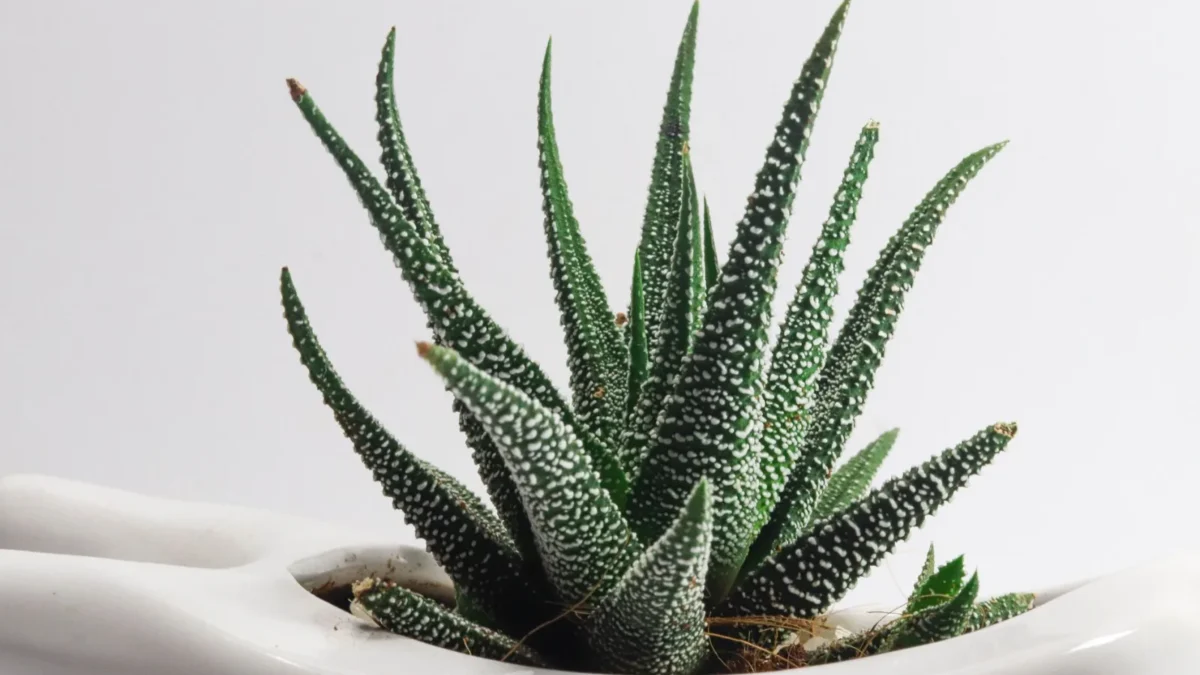
Quick answer: Brown leaves on haworthia usually mean overwatering, poor drainage, or too much direct sun. Check if the leaves are soft and mushy (overwatering), brown and crispy (sunburn), or turning at the base (root rot). Once you identify the cause, stop watering, improve drainage, or move the plant away from intense afternoon light.
| Botanical name | Haworthiopsis attenuata |
|---|---|
| Light | Bright indirect light, 2,000-3,000 lux for 4-6 hours daily; protect from hot afternoon sun |
| Watering | Water when top inch of soil is dry; every 2-3 weeks in summer, once monthly in winter |
| Humidity | Low humidity; average indoor humidity acceptable; requires good ventilation |
| Temperature | 60-85°F (15-29°C); protect from frost |
| Soil | 50-70% inorganic material (sand, perlite, pumice) and 30-50% organic material (cactus mix) |
| Feeding | Half-strength, low-nitrogen fertilizer once or twice during growing season; or diluted balanced fertilizer monthly |
| Size | 6-12 cm diameter rosettes; rarely exceeds 8 inches in height |
| Difficulty | easy |
| Cats | ✓ non-toxic |
| Dogs | ✓ non-toxic |
| What you see | Likely cause | What to do |
|---|---|---|
| Brown, soft, mushy leaves | Overwatering or poor drainage | Stop watering immediately; move to bright light to help dry soil faster; check roots for rot |
| Brown, crispy leaves with papery texture | Too much direct sun (sunburn) | Move plant away from hot afternoon sun; place in bright indirect light |
| Brown or black leaves starting at the base | Root rot from wet soil | Unpot plant, remove mushy brown roots, repot in fresh soil in a new location |
| Slow browning, yellowing leaves | Insufficient light or low humidity combined with wet soil | Increase bright indirect light to 2,000–3,000 lux for 4–6 hours daily; improve ventilation |
| All leaves gradually turning brown | Natural aging of lower leaves | Normal; remove dead leaves; focus on keeping healthy rosette growing |
Why haworthia leaves turn brown at the base
When leaves turn brown or black starting at the base, root rot is the most likely culprit. This happens because haworthia is drought-tolerant and its appearance tricks owners into watering on a fixed schedule rather than checking if the soil is actually dry.
Root rot develops when the soil stays wet too long. The roots turn brown and slimy, the stem softens from the base up, and paradoxically the plant wilts even though soil is soaking. In the worst cases, you’ll smell a foul odor from the pot.
How to save a plant with root rot:
- Unpot the haworthia immediately and inspect the roots. Firm white roots stay; mushy brown ones get trimmed away with a clean knife.
- Remove the plant, discard the damaged roots, and repot it into a different pot location, as the previous soil may develop fungus.
- Use fresh soil with the right drainage: 50–70% inorganic material (sand, perlite, or pumice) and 30–50% organic material (cactus mix).
- Move it to bright, indirect light and let it dry out completely before watering again.
Brown, crispy leaves from too much sun
A south-facing windowsill with 6 hours of direct afternoon light will result in leaf scorch within a week. Too much direct sun causes leaves to turn reddish or brown and may lead to sunburn.
Haworthia needs bright, indirect light— 2,000 to 3,000 lux for 4 to 6 hours daily—but must be protected from hot afternoon rays. East or west-facing windowsills are ideal, as they receive gentle morning or evening sun without the intense midday burn.
If you spot brown, papery, crispy leaves, move the plant away from direct sun immediately. The scorched leaves won’t recover, but new growth will be healthy once the light is right.
Watering correctly to prevent browning
Overwatering is the most common cause of brown leaves in haworthia. Overwatering results in yellow or brown leaves that are soft and mushy.
Water thoroughly until water drains freely from the bottom, then do not water again until the top inch of soil is completely dry—not barely damp, but dry. In summer, water every 2–3 weeks; in winter, water just once a month.
If leaves turn yellow or brown and soft, stop watering and wait for the plant’s reaction. Place it under bright light, which may help dry the soil faster. Good ventilation is also essential to prevent moisture buildup around the roots.
If drainage is the problem, add porous materials to the soil—switch to a mix with more sand, perlite, or pumice to help water drain faster.
FAQ
Can I save a haworthia with brown mushy leaves?
Yes, if caught early. Stop watering immediately, move it to bright light, and wait for the soil to dry completely. If the whole base is mushy and black, unpot it, trim away the dead roots, and repot in fresh soil.
Is natural leaf browning normal?
Older leaves at the base of the rosette naturally age and brown over time. This is not a problem—simply remove the dead leaves and focus on keeping the active rosette healthy.
Should I mist my haworthia if leaves are browning?
No. Haworthia thrive in average indoor humidity and do not need misting. Good ventilation is more important than humidity. Misting can trap moisture and make root rot worse.
Read the full guide: Haworthia Care: The Complete Guide
More about Haworthia
The same problem in other plants
- Why Are My Corn Plant Leaves Turning Brown at the Tips?
- Why Is My Air Plant Turning Brown?
- Why Are My Tradescantia Zebrina Leaves Turning Brown?
- Why Are My Bromeliad Leaves Turning Brown?
Sources
- How Often To Water Haworthia? (Haworthia Water Requirements)
- Haworthia Light Requirements: How Much Sun the Window Plant Actually Needs
- Haworthia Care Guide: Species, Varieties, and the Watering Rule That Prevents Root Rot
Photo: Himesh Mehta / Pexels, Pexels