Heartleaf Philodendron Philodendron hederaceum
Heartleaf Philodendron Care: The Complete Growing Guide
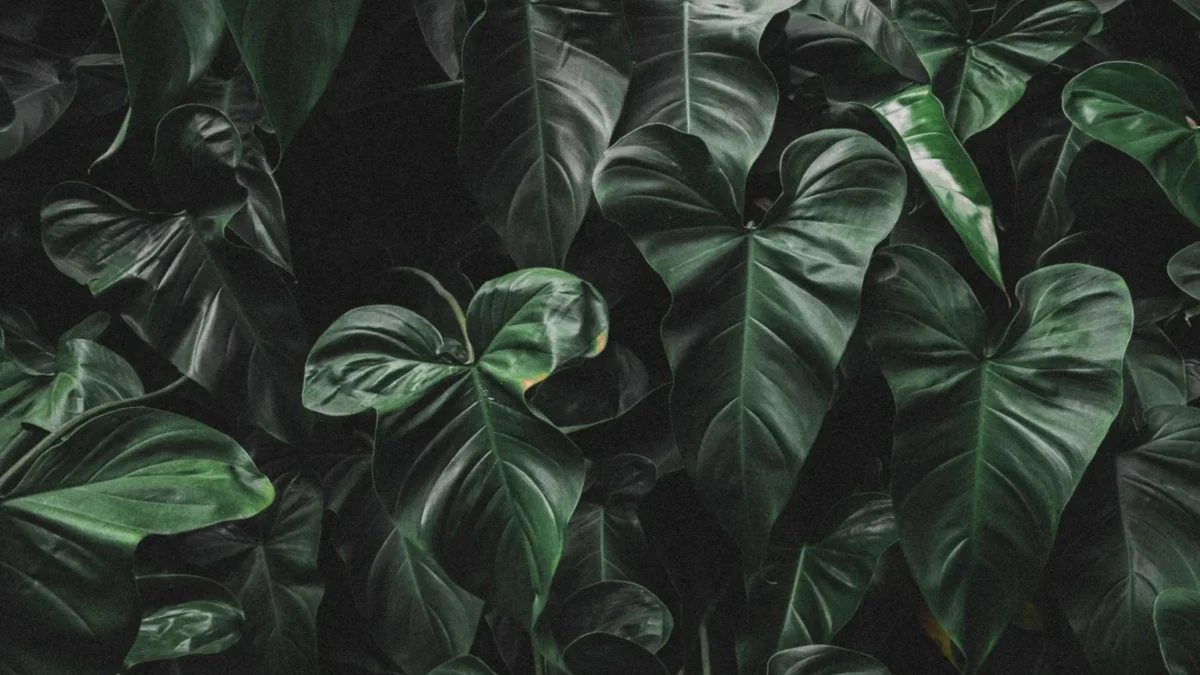
Heartleaf philodendron care is straightforward because this trailing houseplant tolerates a range of conditions and forgives beginner mistakes. You’ll learn everything needed to keep your plant healthy and growing vigorously—from light and watering schedules to propagation and troubleshooting.
Heartleaf Philodendron at a glance
| Botanical name | Philodendron hederaceum |
|---|---|
| Light | bright indirect light; tolerates low light with slower growth |
| Watering | when top inch of soil feels dry; every 7-10 days spring/summer, 12-16 days cooler months |
| Humidity | 40-60%; mist leaves every few days |
| Temperature | 65-80°F (18-26°C); avoid prolonged exposure below 50°F |
| Soil | peat moss, perlite, coarse sand or vermiculite in equal parts; well-draining |
| Feeding | general-purpose indoor plant fertilizer every 3-4 months |
| Size | trails to 10 feet long indoors; up to 4 feet tall |
| Difficulty | easy |
| Cats | ⚠️ toxic — insoluble calcium oxalates; oral irritation, swelling, drooling, vomiting |
| Dogs | ⚠️ toxic — insoluble calcium oxalates; oral irritation, swelling, drooling, vomiting |
Key points
– Provide bright, indirect light from an east or west-facing window for best growth, though the plant survives in low light
– Water every 7–10 days in spring and summer when the top inch of soil feels dry; extend to 12–16 days in cooler months
– Maintain 40–60% humidity by misting every few days
– Keep temperatures between 65–80°F and avoid prolonged cold below 50°F
– Use well-draining soil with equal parts peat moss, perlite, and coarse sand or vermiculite
– The plant is toxic to cats and dogs—keep it out of reach
Light Requirements for Heartleaf Philodendron
Heartleaf philodendrons prefer bright, indirect light. An east or west-facing window provides ideal conditions without the intensity of direct afternoon sun.
The plant is remarkably adaptable to lower light conditions. However, expect slower growth and longer stems with fewer leaves in dim locations. Low light (50 to 250 lux) allows survival but produces leggy vines, while medium light (250 to 1000 lux) supports consistent growth and vibrant foliage.
Too much direct sunlight causes problems. Leaves may yellow, bleach, develop brown crispy edges, or curl. If you notice these signs, move your plant further from the window or filter harsh rays with a sheer curtain.
Watering Your Heartleaf Philodendron
Water is the most critical factor in heartleaf philodendron care indoors. The key is checking soil moisture before watering.
Watering schedule
In spring and summer, water every 7–10 days when the top inch of soil feels dry to the touch. During cooler months from fall through early spring, extend watering to every 12–16 days as the plant’s growth slows.
When you water, do it properly: soak the soil deeply and drain fully. The plant needs a clear wet-then-dry cycle rather than constant moisture. Water thoroughly until excess drains from the bottom, then let the soil dry out to the touch before watering again.
Why timing matters
Overwatering is the most common mistake. Root rot develops when soil stays soggy, and yellow leaves are often an early warning sign. If you see yellowing, reduce watering frequency and check that your pot has drainage holes.
Humidity and Temperature
Humidity needs
Heartleaf philodendrons thrive with humidity between 40 and 60%. Most homes in this range already support the plant well, but dry air causes problems.
Mist the leaves with water every few days using a spray bottle to increase humidity around the plant. Low humidity creates brown, crispy leaf tips, curling leaves, slow growth, and attracts spider mites.
Temperature requirements
Keep your plant between 65–80°F (18–26°C) for optimal health. The plant tolerates slightly cooler temperatures but cannot handle prolonged exposure below 50°F (10°C), which may cause damage.
Avoid placing the plant near cold drafts from windows or air conditioning vents, and keep it away from heat sources like radiators or heat vents.
Soil and Repotting
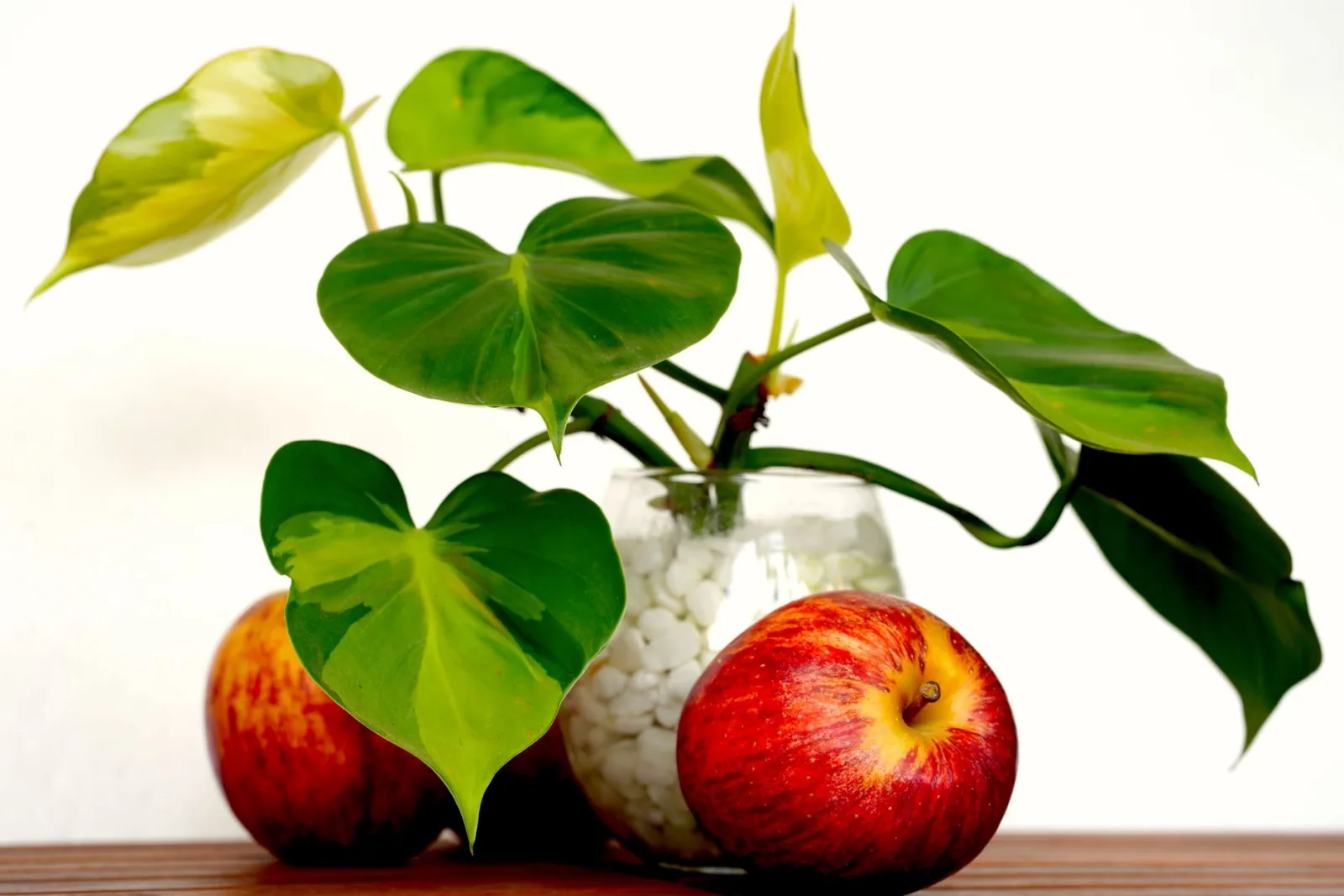
Well-draining soil is essential. A good mix combines equal parts peat moss, perlite, and coarse sand or vermiculite. This formula adds organic matter while preventing waterlogging. Alternatively, use a peat-based or coco coir mix amended with perlite or orchid bark.
When to repot
Young, fast-growing plants need repotting every 12–18 months, while mature plants need fresh soil every 2–3 years or when rootbound. Signs that repotting is needed include roots visible at the drainage holes, slower growth, or water running straight through the pot.
How to repot
Choose a pot 1–2 inches larger in diameter than the current one. Gently remove the plant, loosen the root ball, and place it in fresh soil at the same depth. Water well and allow to drain.
Feeding Your Heartleaf Philodendron
Heartleaf philodendrons don’t need frequent feeding. Apply a general-purpose indoor plant fertilizer every 3–4 months. This light feeding schedule prevents nutrient buildup and overstimulation of growth.
Feed during the growing season (spring and summer) when the plant is actively growing. Reduce or stop feeding in fall and winter when growth slows. Always follow the product label instructions for dilution and application rates.
Pruning and Training
Pruning keeps your plant shaped and encourages fuller growth. Remove any yellowed, damaged, or diseased leaves with clean scissors. Pinch back the tips of vines to promote branching instead of long, sparse stems.
In good indoor conditions, heartleaf philodendron trails vigorously to 10 feet long indoors, though most plants stay around 4 feet tall. Training the vines onto a moss pole or trellis creates an upright form, while hanging baskets showcase the trailing habit.
Propagating Heartleaf Philodendron
Propagation is simple and successful. Cut off 4–6 inch stem tips with a clean pair of scissors, making sure each cutting includes at least one node (the small bump where leaves emerge). Remove lower leaves, leaving just 2–3 leaves at the top.
Place the cutting in a warm, bright location with indirect light. Maintain high humidity to encourage rooting. You can propagate in water (changing it every few days) or moist soil. Roots typically appear within 2–4 weeks. Once roots are 1 inch long, pot the cutting into soil.
Common Problems and Solutions
Yellow leaves
Yellowing usually indicates overwatering or too much direct sunlight. Check the soil moisture—if soggy, let it dry out before watering again and ensure the pot has drainage holes. If the plant is in direct sun, move it to a spot with bright, indirect light.
Brown, crispy leaf tips
Brown tips and edges point to low humidity or dry air. Increase misting frequency, group plants together, or use a pebble tray with water beneath the pot to raise humidity around the plant.
Leggy, sparse growth
When stems grow long with far-apart leaves, insufficient light is the cause. Move your plant closer to a bright window or supplement with grow lights. Pinch back the tips to encourage bushier growth.
Root rot
Root rot develops from persistent overwatering and poor drainage. If the base of the plant becomes soft or smells unpleasant, remove the plant from its pot, trim away black or mushy roots with clean scissors, and repot in fresh, dry soil. Reduce watering frequency moving forward.
Pest infestations
Spider mites and mealybugs occasionally affect heartleaf philodendrons, especially in low humidity. Spray affected foliage with neem oil or insecticidal soap following product instructions, and increase humidity to prevent reinfestation.
Is Heartleaf Philodendron Safe for Pets?
Heartleaf philodendron is toxic to dogs, cats, and horses. The plant contains insoluble calcium oxalates—needle-like crystals that penetrate the mouth’s mucous membranes.
If your pet chews the leaves or stems, it may experience oral irritation, swelling of the mouth and tongue, excessive drooling, difficulty swallowing, and vomiting. Keep the plant out of reach on a high shelf, hanging basket, or closed room where pets cannot access it. If you suspect your pet has ingested plant material, contact your veterinarian or poison control immediately.
FAQ
How often should I water my heartleaf philodendron?
Water every 7–10 days in spring and summer when the top inch of soil feels dry, and every 12–16 days in cooler months. The exact schedule depends on your home’s humidity, light, and temperature—always check soil moisture before watering.
Can heartleaf philodendron grow in low light?
Yes, it tolerates low light and will survive, but expect slower growth and leggy vines. For vibrant foliage and consistent growth, place it in medium light (250 to 1000 lux).
How do I increase humidity for my plant?
Mist the leaves with water every few days using a spray bottle. You can also group plants together, use a pebble tray with water, or place the pot on a humidity meter to monitor levels between 40–60%.
What size pot does my heartleaf philodendron need?
When repotting, choose a pot 1–2 inches larger in diameter than the current one. This prevents excessive soil that stays too wet and allows room for growth without overwhelming the roots.
How do I propagate heartleaf philodendron?
Cut off a 4–6 inch stem tip with clean scissors, including at least one node. Place it in a warm, bright spot with indirect light and maintain high humidity. Roots will develop in 2–4 weeks, and you can then pot it in soil.
Is my heartleaf philodendron toxic to my cat or dog?
Yes, the plant is toxic to both cats and dogs due to insoluble calcium oxalates that cause oral irritation, swelling, drooling, and vomiting. Keep the plant out of reach and contact a veterinarian if your pet ingests any part of it.
More about Heartleaf Philodendron
Sources
- Heartleaf Philodendron Plant Care Guide – How to Grow Philodendron Hederaceum – Soltech
- Heartleaf Philodendron Care: Complete Guide for Indoor Success
- How to Water Heartleaf Philodendron
Photo: Alejandro Aldama / Pexels, Pexels