Heartleaf Philodendron Philodendron hederaceum
Is Heartleaf Philodendron Toxic to Cats and Dogs?
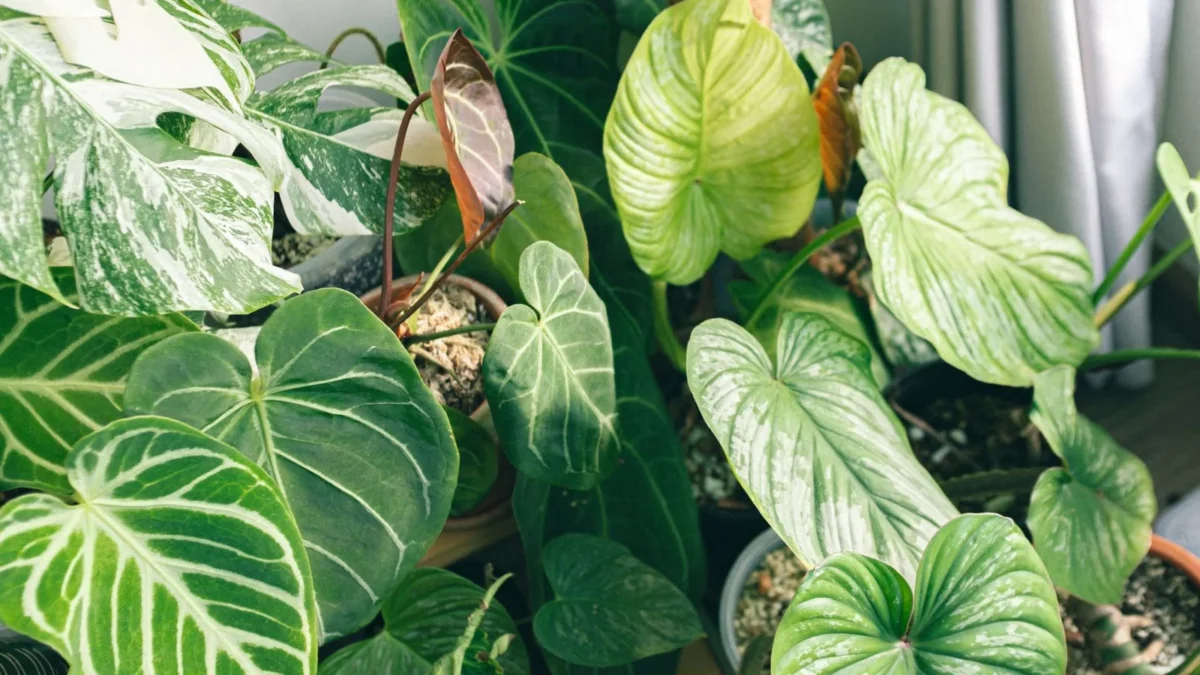
Quick answer: Yes, heartleaf philodendron is toxic to cats and dogs. If your pet chews on this plant, watch for oral irritation, swelling of the mouth and lips, excessive drooling, vomiting, and difficulty swallowing. Contact your vet or the ASPCA Animal Poison Control Center immediately if ingestion occurs.
Heartleaf Philodendron at a glance
| Botanical name | Philodendron hederaceum |
|---|---|
| Light | bright indirect light; tolerates low light with slower growth |
| Watering | when top inch of soil feels dry; every 7-10 days spring/summer, 12-16 days cooler months |
| Humidity | 40-60%; mist leaves every few days |
| Temperature | 65-80°F (18-26°C); avoid prolonged exposure below 50°F |
| Soil | peat moss, perlite, coarse sand or vermiculite in equal parts; well-draining |
| Feeding | general-purpose indoor plant fertilizer every 3-4 months |
| Size | trails to 10 feet long indoors; up to 4 feet tall |
| Difficulty | easy |
| Cats | ⚠️ toxic — insoluble calcium oxalates; oral irritation, swelling, drooling, vomiting |
| Dogs | ⚠️ toxic — insoluble calcium oxalates; oral irritation, swelling, drooling, vomiting |
What makes heartleaf philodendron toxic to pets
The danger comes from needle-like crystals in the plant called insoluble calcium oxalates. When a pet chews on the leaves or stems, these sharp crystals pierce the soft tissues inside the mouth and throat, causing irritation and pain rather than poisoning in the traditional sense.
Symptoms to watch for if your cat or dog eats heartleaf philodendron
If your pet has chewed on this plant, the symptoms can appear quickly:
- Oral irritation and pain in the mouth, tongue, and lips
- Swelling of the mouth and throat
- Excessive drooling
- Vomiting
- Difficulty swallowing
Some pets may shy away from eating much of the plant because of the immediate mouth irritation, which limits exposure. However, if you see any of these signs, contact your veterinarian or the ASPCA Animal Poison Control Center right away. They can assess whether your pet needs treatment and monitor for complications.
Keeping your pet safe
The simplest approach is to place your heartleaf philodendron out of reach—on a high shelf, in a hanging basket, or in a room your pet cannot access unsupervised. Even easy-care plants like this one are not worth the risk if you have curious cats or dogs at home. If you prefer to keep the plant within view, use a physical barrier such as a plant stand in a gated area or a room with a closed door.
Read the full guide: Heartleaf Philodendron Care: The Complete Guide
More about Heartleaf Philodendron
The same problem in other plants
- Is Calathea Toxic to Cats and Dogs?
- Is Peace Lily Toxic to Cats and Dogs?
- Is Fiddle Leaf Fig Toxic to Cats and Dogs?
- Is ZZ Plant Toxic to Cats and Dogs?