Heartleaf Philodendron Philodendron hederaceum
How Often to Water Heartleaf Philodendron: A Seasonal Guide
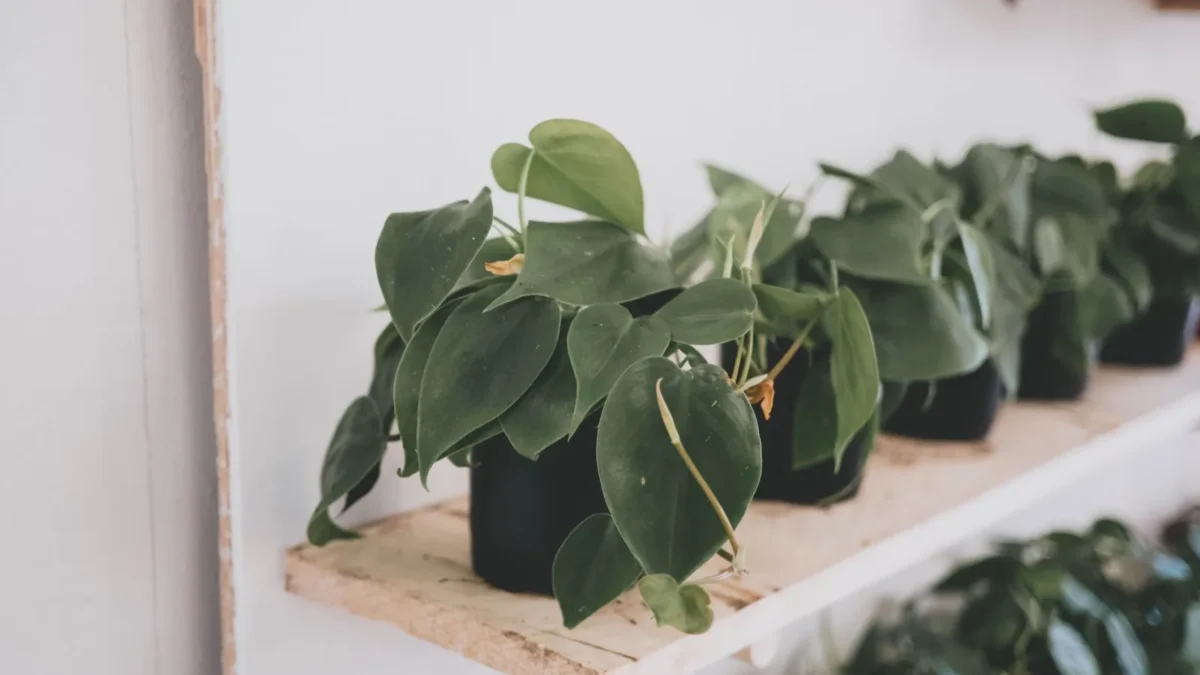
Quick answer: Water your heartleaf philodendron every 7–10 days in spring and summer and every 12–16 days in cooler months, checking that the top inch of soil feels dry first. This simple rule prevents the root rot that comes from overwatering, the most common problem with this easy houseplant.
Heartleaf Philodendron at a glance
| Botanical name | Philodendron hederaceum |
|---|---|
| Light | bright indirect light; tolerates low light with slower growth |
| Watering | when top inch of soil feels dry; every 7-10 days spring/summer, 12-16 days cooler months |
| Humidity | 40-60%; mist leaves every few days |
| Temperature | 65-80°F (18-26°C); avoid prolonged exposure below 50°F |
| Soil | peat moss, perlite, coarse sand or vermiculite in equal parts; well-draining |
| Feeding | general-purpose indoor plant fertilizer every 3-4 months |
| Size | trails to 10 feet long indoors; up to 4 feet tall |
| Difficulty | easy |
| Cats | ⚠️ toxic — insoluble calcium oxalates; oral irritation, swelling, drooling, vomiting |
| Dogs | ⚠️ toxic — insoluble calcium oxalates; oral irritation, swelling, drooling, vomiting |
The Basic Watering Schedule
How often to water heartleaf philodendron depends on the season. During the growing season from spring through summer, water every 7–10 days once the top inch of soil feels dry to the touch. When temperatures drop in autumn and winter, slow down to every 12–16 days. This matches the plant’s natural growth rhythm—it grows faster when it’s warm and slows down in cooler months.
The key is the soil, not the calendar. Always check before watering: stick your finger into the top inch and feel for dryness. If it’s still moist, wait another day or two. If it’s dry, water thoroughly.
How to Water Properly
When you do water, soak deeply and drain fully. Pour water until it runs out the drainage holes at the bottom, then let it drain completely. Never leave the pot sitting in a tray of water. Heartleaf philodendron want a clear wet-then-dry cycle, never steady moisture. This is what prevents root rot, which can kill the plant if left unchecked.
Yellow leaves are often your first warning sign of overwatering. If you spot yellowing, cut back the watering schedule and make sure your soil drains well. Well-draining soil is essential—a mix of equal parts peat moss, perlite, and coarse sand or vermiculite works well.
Adjusting for Your Conditions
Indoor conditions affect how quickly soil dries. A warm room, bright light, and low humidity all speed up drying, so you may need to water more often. A cool room with low light and high humidity slows drying, so you’ll water less. If your heartleaf philodendron sits near a heating vent or in direct sun, the soil dries faster than the standard schedule suggests. Use the soil moisture check as your real guide, adjusting the 7–10 and 12–16 day ranges up or down as needed.
Keeping humidity between 40 and 60% also helps. Mist the leaves with a spray bottle every few days to raise humidity, which reduces stress on the plant and can make it more resilient.
FAQ
How often do you water heartleaf philodendron in winter?
Every 12–16 days in cooler months, as long as the top inch of soil is dry. Growth slows in winter, so the plant needs less water.
What happens if I water too much?
Overwatering leads to root rot, a serious problem that can kill the plant. Yellow leaves are usually the first sign. Always let the top inch of soil dry out between waterings.
Can heartleaf philodendron survive with less frequent watering?
Yes, this plant is forgiving and tolerates a range of conditions, but drying out completely for extended periods will stress it. Stick to the wet-then-dry cycle and you’ll have a healthy, thriving plant.
Read the full guide: Heartleaf Philodendron Care: The Complete Guide
More about Heartleaf Philodendron
The same problem in other plants
- How Often Should You Water Fiddle Leaf Fig?
- How Often Should You Water a ZZ Plant?
- How Often Should You Water Your Snake Plant?
- How Often Should You Water Pothos?
Sources
- Heartleaf Philodendron Plant Care Guide – How to Grow Philodendron Hederaceum – Soltech
- How to Water Heartleaf Philodendron
- Heart Leaf Philodendron Plants for Sale
Photo: Joshua Mcknight / Pexels, Pexels