Heartleaf Philodendron Philodendron hederaceum
Why Are My Heartleaf Philodendron Leaves Curling?
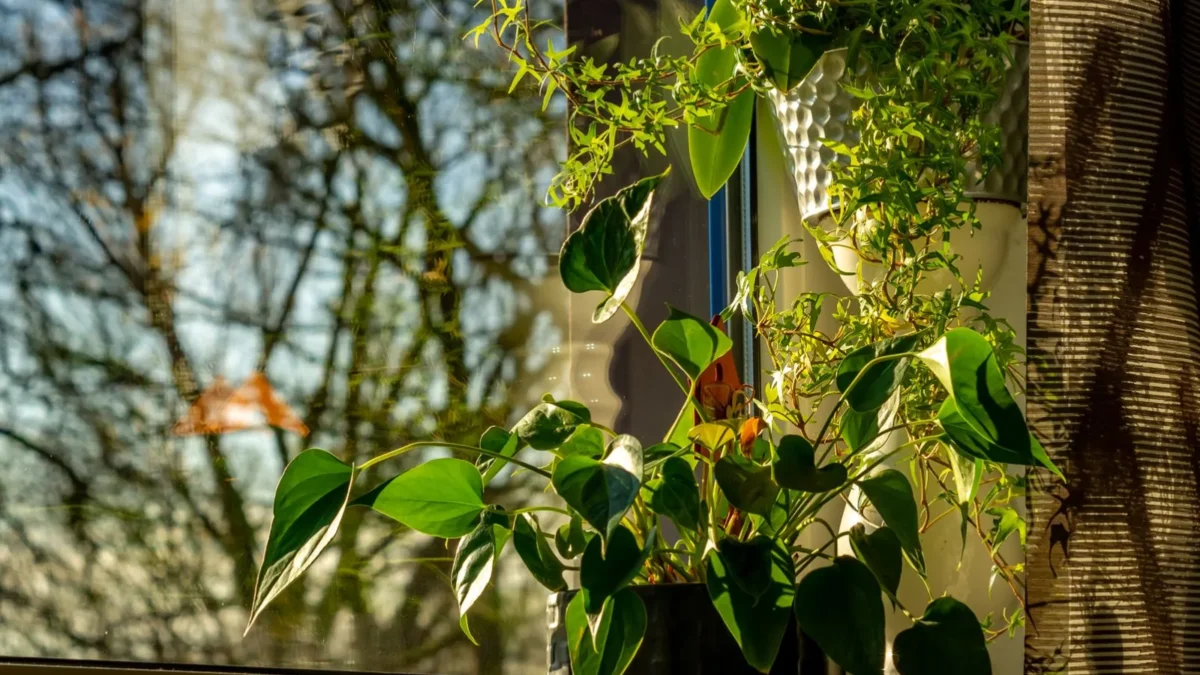
Quick answer: Heartleaf philodendron leaves curl mainly due to low humidity, inconsistent watering, excessive light, or pests. Check your humidity level and soil moisture first, then adjust light and inspect for spider mites.
Heartleaf Philodendron at a glance
| Botanical name | Philodendron hederaceum |
|---|---|
| Light | bright indirect light; tolerates low light with slower growth |
| Watering | when top inch of soil feels dry; every 7-10 days spring/summer, 12-16 days cooler months |
| Humidity | 40-60%; mist leaves every few days |
| Temperature | 65-80°F (18-26°C); avoid prolonged exposure below 50°F |
| Soil | peat moss, perlite, coarse sand or vermiculite in equal parts; well-draining |
| Feeding | general-purpose indoor plant fertilizer every 3-4 months |
| Size | trails to 10 feet long indoors; up to 4 feet tall |
| Difficulty | easy |
| Cats | ⚠️ toxic — insoluble calcium oxalates; oral irritation, swelling, drooling, vomiting |
| Dogs | ⚠️ toxic — insoluble calcium oxalates; oral irritation, swelling, drooling, vomiting |
| What you see | Likely cause | What to do |
|---|---|---|
| Curling leaves + brown, crispy edges | Low humidity (below 40%) | Mist leaves every few days; raise humidity to 40–60% |
| Curling + yellowing leaves | Overwatering | Let soil dry between waterings; water only when top inch feels dry |
| Curling + bleached or yellowing leaves | Too much direct light | Move to bright indirect light; east or west-facing window is ideal |
| Curling + tiny webbing, spots | Spider mites | Increase humidity; inspect undersides of leaves regularly |
| Curling + slow growth, pale leaves | Low light | Move closer to a window; medium light (250–1000 lux) is ideal for vibrant foliage |
Low humidity—the most common cause
Heartleaf philodendrons thrive in humidity between 40 and 60%. When humidity drops below this range, leaves curl inward to conserve moisture. You’ll often see brown, crispy leaf edges alongside the curling. This is especially common in winter when heating dries out indoor air, or in naturally arid climates.
To fix it, mist the leaves with a spray bottle every few days. This raises humidity around the plant and helps new growth unfold flat. Other options include grouping plants together, placing the pot on a pebble tray filled with water, or using a humidifier nearby.
Watering and light problems
Overwatering causes curling leaves alongside yellowing—a sign the roots are staying too wet. Water your heartleaf philodendron every 7–10 days in spring and summer when the top inch of soil feels dry. In cooler months, stretch this to every 12–16 days. When you water, soak deeply and drain fully; the plant wants a clear wet-then-dry cycle, never steady moisture.
Excessive light can also curl leaves. While heartleaf philodendrons prefer bright, indirect light from an east or west-facing window, direct sun can bleach or damage foliage. If leaves curl and look washed out or yellow, move the plant back from the window or filter harsh afternoon rays.
Checking for pests
Spider mites thrive in low humidity and cause curling leaves along with fine webbing on stems and leaf undersides. Inspect your plant closely, especially under leaves. If you spot mites, increasing humidity to 40–60% is your first defense. Mist the foliage regularly to discourage them from settling.
Preventing curling going forward
Maintain consistent watering by checking soil dryness before each watering session. Keep humidity in the 40–60% range with regular misting. Position your plant in bright, indirect light—strong enough to support healthy growth but filtered enough to prevent leaf damage. These conditions will keep your heartleaf philodendron’s leaves flat and vibrant.
Read the full guide: Heartleaf Philodendron Care: The Complete Guide
More about Heartleaf Philodendron
The same problem in other plants
- Why Are My Calathea Leaves Curling?
- Why Are My Snake Plant Leaves Curling?
- Why Are My Pothos Leaves Curling?
- Why Are My Monstera Leaves Curling?
Sources
- Heartleaf Philodendron Plant Care Guide – How to Grow Philodendron Hederaceum – Soltech
- How to Water Heartleaf Philodendron
- Heartleaf Philodendron Plant Care Guide 🌟 – Healthy Houseplants
Photo: Lana Kravchenko / Pexels, Pexels