Heartleaf Philodendron Philodendron hederaceum
How to Propagate Heartleaf Philodendron from Cuttings
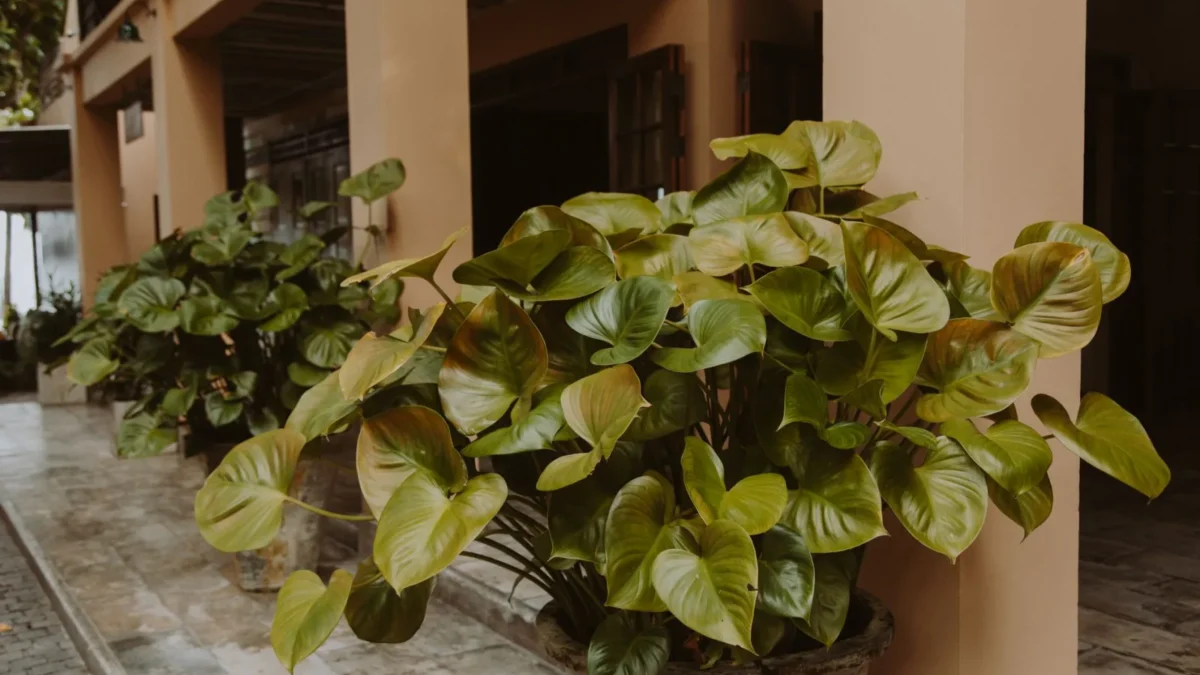
Quick answer: Heartleaf philodendron propagates easily from stem cuttings in either water or soil. Cut a 4–6 inch stem section with at least one node, place it in water or moist soil, keep it warm and humid, and roots will develop in 2–4 weeks.
Heartleaf Philodendron at a glance
| Botanical name | Philodendron hederaceum |
|---|---|
| Light | bright indirect light; tolerates low light with slower growth |
| Watering | when top inch of soil feels dry; every 7-10 days spring/summer, 12-16 days cooler months |
| Humidity | 40-60%; mist leaves every few days |
| Temperature | 65-80°F (18-26°C); avoid prolonged exposure below 50°F |
| Soil | peat moss, perlite, coarse sand or vermiculite in equal parts; well-draining |
| Feeding | general-purpose indoor plant fertilizer every 3-4 months |
| Size | trails to 10 feet long indoors; up to 4 feet tall |
| Difficulty | easy |
| Cats | ⚠️ toxic — insoluble calcium oxalates; oral irritation, swelling, drooling, vomiting |
| Dogs | ⚠️ toxic — insoluble calcium oxalates; oral irritation, swelling, drooling, vomiting |
How to Take Cuttings
To propagate heartleaf philodendron, you need a healthy parent plant and clean scissors. The cutting should include at least one node—the small bump or ridge on the stem where roots and leaves emerge. Cuttings work best when taken from new growth during the growing season.
Use a 4–6 inch section of stem; longer pieces root more reliably. Remove any leaves from the lower half of the cutting so they won’t sit in water or soil and rot. Keep 2–3 leaves at the top.
Propagation in Water
Water propagation is the fastest and easiest method for heartleaf philodendron.
- Fill a jar or glass with room-temperature water
- Place the cutting in the water so the node is submerged and leaves are above the waterline
- Position the jar in a warm, bright location with indirect light
- Change the water every 3–5 days to prevent bacterial growth
- Roots typically appear within 2–3 weeks
- Once roots are 1–2 inches long, transfer the cutting to soil
Keep the water at room temperature; cold water slows rooting. Place the jar away from direct sun, as too much light can encourage algae growth.
Propagation in Soil
Soil propagation gives cuttings a head start toward independent growth.
- Fill a small pot with well-draining soil—equal parts peat moss, perlite, and coarse sand or vermiculite work well
- Water the soil until moist but not soggy
- Make a small hole and insert the cutting so the lowest node touches the soil
- Maintain high humidity around the cutting by placing it in a plastic bag or propagation dome
- Keep the soil consistently moist (not wet) for 2–4 weeks
- Place it in a warm spot with bright, indirect light
- Check for rooting by gently tugging the cutting after 3 weeks; resistance means roots have formed
Once new growth appears above the soil, roots are established and you can gradually reduce humidity.
What to Expect
Heartleaf philodendron roots quickly compared to many houseplants. Roots develop faster in water than soil, but both methods work reliably. Expect new leaf growth 4–6 weeks after rooting begins. Keep temperatures between 65–80°F (18–26°C) for optimal rooting; cooler conditions slow the process significantly.
Cuttings are established when they show consistent new growth and can be moved to a permanent pot with regular care.
Common Mistakes to Avoid
Using cuttings without nodes: Nodes are essential—they’re where roots and leaves develop. Leafless stem sections won’t root.
Overwatering soil cuttings: Keep soil moist, not soggy, or the cutting may rot before roots form.
Neglecting humidity: Low humidity slows rooting significantly. Use a plastic bag or dome to maintain moisture around the cutting.
Poor lighting: Cuttings need bright, indirect light to root successfully. Low light extends the rooting timeline.
Changing water too infrequently: In water propagation, stagnant water invites bacteria. Refresh it every few days.
Read the full guide: Heartleaf Philodendron Care: The Complete Guide
More about Heartleaf Philodendron
The same problem in other plants
- How to Propagate Calathea: Step-by-Step Instructions
- How to Propagate a Rubber Plant: Step-by-Step Guide
- How to Propagate Peace Lily: A Step-by-Step Guide
- How to Propagate Spider Plant Babies in Water or Soil
Sources
- Heartleaf Philodendron Plant Care Guide – How to Grow Philodendron Hederaceum – Soltech
- Heart Leaf Philodendron Plants for Sale
- Philodendron Hederaceum. Philodendron hederaceum’s easy to keep…
Photo: cottonbro studio / Pexels, Pexels