Heartleaf Philodendron Philodendron hederaceum
Why Are My Heartleaf Philodendron Leaves Turning Yellow?
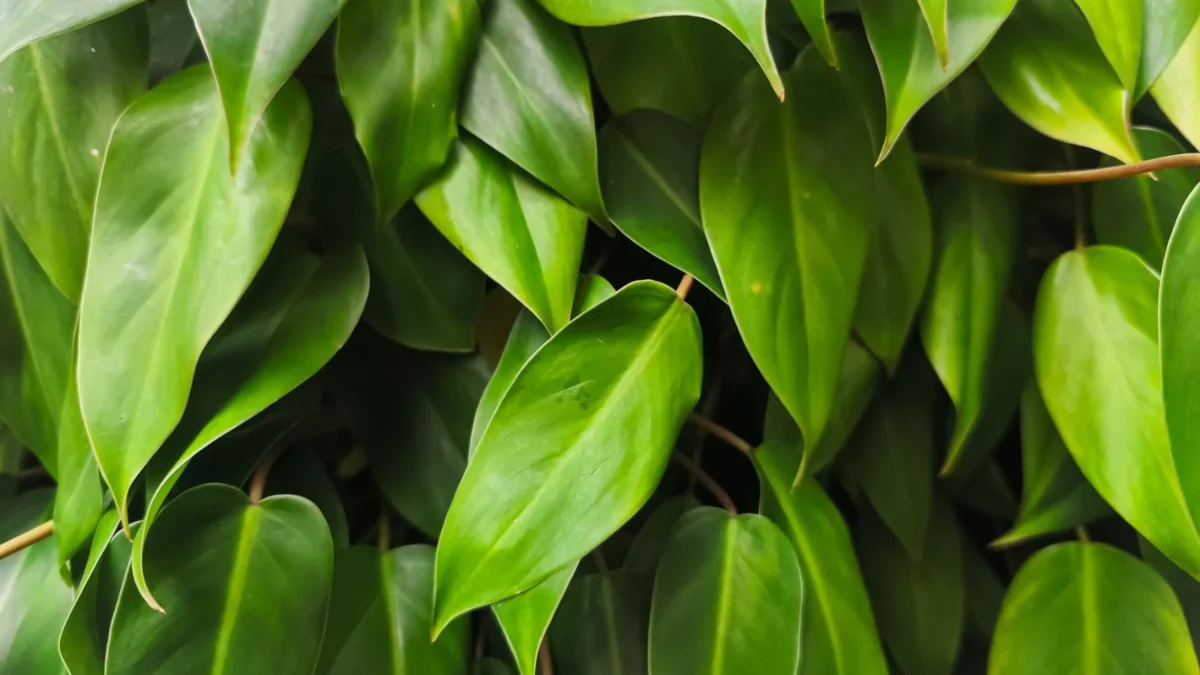
Quick answer: Yellow leaves on heartleaf philodendron almost always mean overwatering, too much direct sunlight, or occasionally nutrient deficiency. Check your watering frequency and light conditions, adjust them, and remove the yellow leaves to help your plant recover.
Heartleaf Philodendron at a glance
| Botanical name | Philodendron hederaceum |
|---|---|
| Light | bright indirect light; tolerates low light with slower growth |
| Watering | when top inch of soil feels dry; every 7-10 days spring/summer, 12-16 days cooler months |
| Humidity | 40-60%; mist leaves every few days |
| Temperature | 65-80°F (18-26°C); avoid prolonged exposure below 50°F |
| Soil | peat moss, perlite, coarse sand or vermiculite in equal parts; well-draining |
| Feeding | general-purpose indoor plant fertilizer every 3-4 months |
| Size | trails to 10 feet long indoors; up to 4 feet tall |
| Difficulty | easy |
| Cats | ⚠️ toxic — insoluble calcium oxalates; oral irritation, swelling, drooling, vomiting |
| Dogs | ⚠️ toxic — insoluble calcium oxalates; oral irritation, swelling, drooling, vomiting |
| What you see | Likely cause | What to do |
|---|---|---|
| Yellow leaves (whole plant may look dull) | Overwatering or poor drainage | Cut watering back; let soil dry between waters |
| Yellow leaves with brown, crispy edges | Excess direct sunlight | Move to bright, indirect light |
| Yellow lower leaves only, slow growth | Insufficient light overall | Move closer to an east or west-facing window |
| Yellow leaves, very slow growth, pale colour | Low nutrient levels | Feed with general-purpose fertilizer |
| Yellow leaves, drooping stems, soft roots | Root rot from prolonged wetness | Repot into fresh, dry soil with better drainage |
How overwatering causes yellow leaves
Overwatering is the most common reason heartleaf philodendron leaves turn yellow. The plant’s roots sit in soggy soil, which cuts off oxygen and creates conditions for root rot. Since you can’t see the roots, the first visible sign is yellowing foliage.
To fix this, adjust your watering routine immediately:
- Wait until the top inch of soil feels dry to the touch before watering again.
- Water thoroughly so excess drains from the bottom, then empty the saucer completely—never let the pot sit in standing water.
- In spring and summer, this typically means watering every 7–10 days. In cooler months, stretch it to every 12–16 days.
If root rot has already developed, repot your plant into fresh, well-draining soil. Use equal parts peat moss, perlite, and coarse sand or vermiculite to keep water moving through the soil.
Too much direct light
While heartleaf philodendron prefers bright, indirect light, intense direct sunlight can actually scorch the leaves and cause yellowing. This is different from the yellowing caused by overwatering—look for brown, crispy edges alongside the yellow.
Move your plant away from south-facing windows in summer, or filter the light with a sheer curtain. An east or west-facing window is ideal. If you see signs of excessive light exposure like bleached or yellowing leaves, relocate immediately.
Poor light causing slow decline
The opposite problem—not enough light—causes slower yellowing paired with leggy, sparse growth. Although heartleaf philodendron tolerates low light, medium light (250 to 1000 lux) is the ideal range for consistent growth and vibrant foliage.
If your plant is in a dark corner and yellowing, move it closer to a window. Even placing it a few feet closer makes a difference.
Nutrient deficiency
If watering and light are correct but your plant still yellows and grows slowly, it may need feeding. Feed with a general-purpose indoor plant fertilizer every 3–4 months. New growth should emerge greener within a few weeks.
Prevention
Prevent yellow leaves by establishing a consistent routine: check the soil before watering, place your plant in bright, indirect light, and feed every few months during the growing season. Remove any yellow leaves once they appear—they won’t recover, and removing them helps the plant direct energy to healthy new growth.
Read the full guide: Heartleaf Philodendron Care: The Complete Guide
More about Heartleaf Philodendron
The same problem in other plants
- Why Are My Calathea Leaves Turning Yellow?
- Why Are My Peace Lily Leaves Turning Yellow?
- Why Are My ZZ Plant Leaves Turning Yellow?
- Why Are My Snake Plant Leaves Turning Yellow?
Sources
- Heartleaf Philodendron Plant Care Guide – How to Grow Philodendron Hederaceum – Soltech
- How to Water Heartleaf Philodendron
- Heart Leaf Philodendron Plants for Sale
Photo: Ahmad Fauzi Al Faridi / Pexels, Pexels