African Violet Saintpaulia
How Often to Water African Violets: The Right Watering Schedule
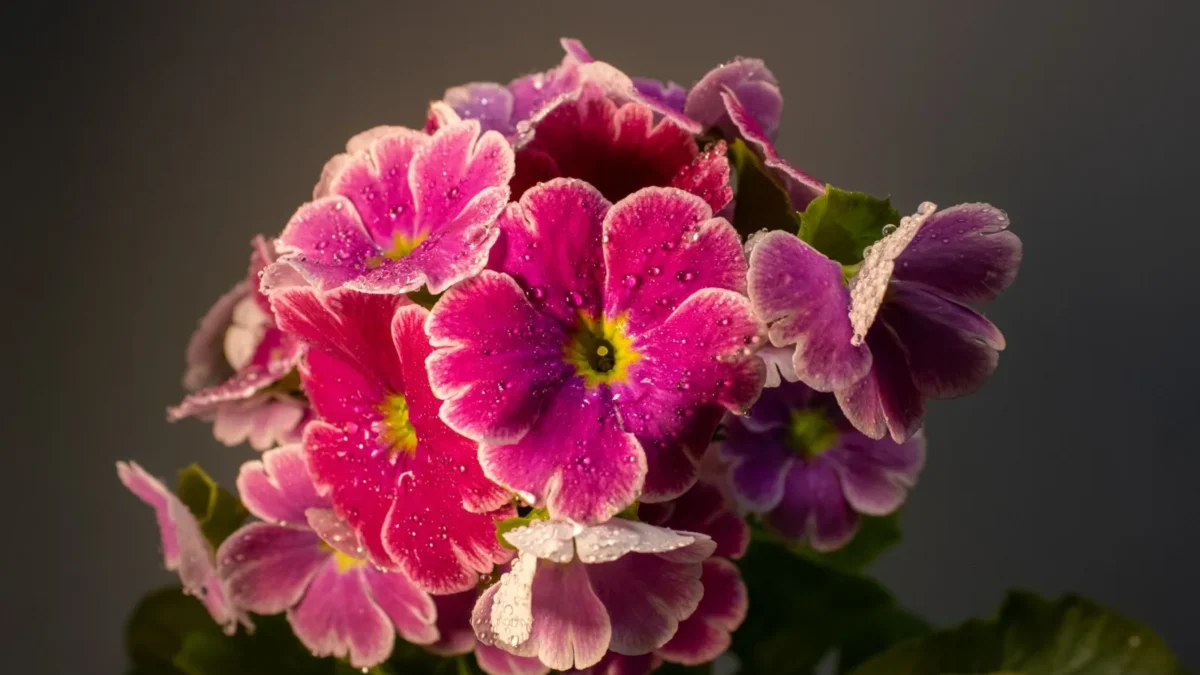
Quick answer: How often? Water African violets when just the top of the soil feels dry, before it becomes hard or the plant wilts. The key is keeping the soil evenly moist like a well-wrung-out sponge—never soaking wet or bone dry.
| Botanical name | Saintpaulia |
|---|---|
| Light | Bright indirect light; 14-16 hours daily for flowering; avoid direct midday sun |
| Watering | Keep soil evenly moist like a well-wrung-out sponge; water when top soil is dry; drain saucers after 1 hour |
| Humidity | 40-60% humidity; use pebble trays; avoid misting fuzzy leaves |
| Temperature | 60°F at night; 80-85°F during day; avoid cold drafts and temperatures below 60°F |
| Soil | Soilless mix: 3 parts peat moss, 2 parts vermiculite, 1 part perlite, plus lime |
| Feeding | Dilute balanced fertilizer (20-20-20) at each watering; high phosphate-potash during heavy bloom |
| Size | Standard: 8-16 inches wide; miniature/semi-miniature under 8 inches; large over 16 inches |
| Difficulty | easy |
| Cats | ✓ non-toxic |
| Dogs | ✓ non-toxic |
How to Water African Violets Indoors
African violets need consistent moisture year-round, but the schedule shifts with your home’s temperature and humidity. In the growing season (spring through autumn), water freely once the top soil surface dries out. During winter, water more sparingly as the soil dries slower in cooler conditions.
The golden rule: your soil should feel like a well-wrung-out sponge at all times. If you’re unsure, stick your finger into the top inch—if it feels dry, it’s time to water. Always drain any standing water from the saucer within an hour of watering; sitting water causes root rot, one of the most common reasons African violets fail.
Use tepid (lukewarm) water when watering from the top. Cold water splashed on the fuzzy leaves causes leaf-spotting and damage.
Signs You’re Overwatering or Underwatering
Overwatering is the biggest mistake with African violets. Too much water leads to root or crown rot, shown by dull, light green, or yellowing leaves, and the plant may drop older leaves.
Underwatering is less common but equally harmful. When soil dries out completely, the root system shrinks, and the plant sacrifices flowering to survive. The leaves will wilt noticeably.
The safest approach: water when the top soil is dry, stop before it becomes hard and crusty, and check that saucer religiously.
FAQ
How do seasonal changes affect watering?
In winter, the soil dries more slowly in cool indoor temperatures, so water more sparingly. Spring through autumn, when growth is active and homes are warmer, water freely once the top soil dries out.
Can you water African violets from the bottom?
Yes, bottom watering is an excellent way to avoid splashing the leaves and causing damage. Use a saucer of water and let the plant drink from below—just remember to remove any excess water after an hour.
What humidity level helps African violets thrive indoors?
Aim for 40–60% humidity. You can boost this by setting the pot on a saucer of pebbles with water beneath (ensuring the plant doesn’t sit directly in water), or by grouping plants together. Never mist the fuzzy leaves, as this causes spotting and rot.
Read the full guide: African Violet Care: The Complete Guide
More about African Violet
The same problem in other plants
- How Often Should You Water Your Philodendron Birkin?
- How Often to Water Hoya Kerrii and How to Know When It Needs Water
- How to Water Bromeliads: Frequency and Best Practices
- How Often Should You Water a Christmas Cactus?
Sources
Photo: Leandro Rossi / Pexels, Pexels