Fishbone Cactus Epiphyllum anguliger
How to Propagate Fishbone Cactus: Step-by-Step Methods
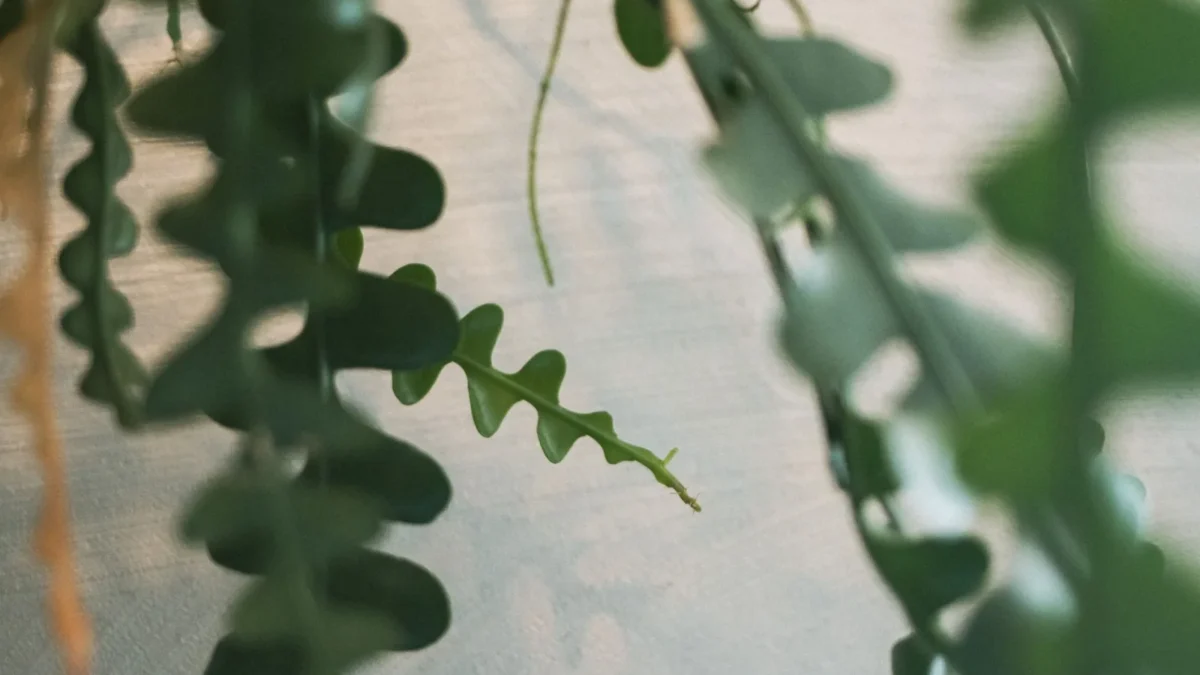
Best way to propagate fishbone cactus
Fishbone cactus propagates easily from stem cuttings or by division. Cuttings are the most common and fastest method—you’ll see roots within a few weeks. Division works well for larger, established plants and gives you mature growth immediately.
| Botanical name | Epiphyllum anguliger |
|---|---|
| Light | Bright, filtered indirect light; avoid strong midday sun which can scorch leaves |
| Watering | Water when top 1-2 inches of soil are dry; 1-2 times weekly in spring/summer; reduce in winter |
| Humidity | Moderate to high humidity; prefers 50-60%, tolerates as low as 40% |
| Temperature | 60-78°F (16-26°C) growing season; 50-60°F (10-16°C) in winter to encourage flowering |
| Soil | Peat-free cactus compost with added grit; potting soil, sand, and perlite mix |
| Feeding | Cactus fertilizer fortnightly spring to autumn, or 3-4 times during growing season |
| Size | 2-3 feet long; 0.5-1 metre height; 0.1-0.5 metre spread |
| Difficulty | easy |
How to take a cutting from the fishbone cactus
Start by taking a healthy stem cutting at least 3–4 inches long. Use a sharp knife or scissors to make a clean cut. Let the cut end dry out for a day or two to form a callus; this prevents rot when you propagate.
You then have two options: soil or water propagation.
Propagate in soil
- Stick the cut end into a pot of well-draining soil
- Keep the potting soil consistently moist
- Place the pot in indirect sunlight
- Roots will form in a few weeks
Use peat-free cactus compost with added grit, or a mix of potting soil, sand, and perlite. Both mimic the plant’s natural habitat and drain well enough to prevent rot.
How to propagate fishbone cactus in water
- Place the cutting in a jar of water in bright, indirect light
- Replace the water when it gets cloudy
- Wait until roots are a few inches long
- Transfer to potting mix
Water propagation lets you watch root development, though you’ll eventually move the cutting to soil anyway.
Division method for faster results
Large, mature plants can be propagated by division. Gently separate sections that have their own root systems from the main plant, keeping roots as intact as possible. Use a sharp knife to cut through the roots vertically from top to bottom.
Replant each section in a small pot with fresh soil and keep it well-watered until new growth appears. Over the next week or two, your divided plant will establish itself and begin to grow roots.
Common mistakes to avoid
Don’t let cuttings sit in soggy soil. Although fishbone cactus grows on moist parts of jungle trees, waterlogged conditions encourage root rot. Keep the soil moist but not wet.
Avoid using cold water when you water newly rooted cuttings. Cold tap water can shock the roots and cause stunted growth.
Make sure your cuttings get bright, indirect light. Too much shade slows growth, while strong midday sun can scorch the stems.
Read the full guide: Fishbone Cactus Care: The Complete Growing Guide
More about Fishbone Cactus
The same problem in other plants
- How to Propagate Pencil Cactus from Cuttings
- How to Propagate Elephant Bush: A Step-by-Step Guide
- How to Propagate Pink Princess Philodendron: Step-by-Step Methods
- How to Propagate String of Turtles: Water, Soil, and Leaf Methods
Sources
- Fishbone Cactus (Ric Rac Cactus) Care and Propagation Guide
- How to grow epiphyllum cacti / RHS Growing Guide
- Easy Fishbone Cactus Care and Propagation
Photo: Maria Tyutina / Pexels, Pexels