Calathea Goeppertia
Is Calathea Toxic to Cats and Dogs? What You Need to Know
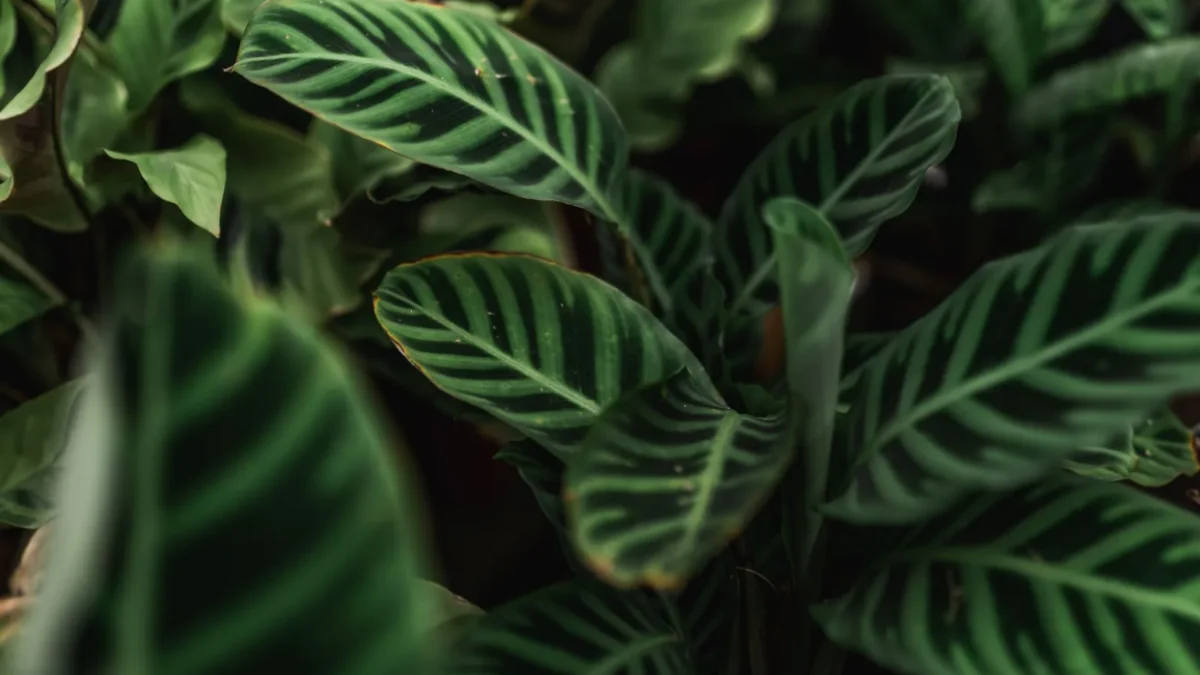
Quick answer: No, Calathea is not toxic to cats or dogs. The ASPCA confirms that all Calathea varieties are safe for cats, dogs, and horses. If your pet chews the leaves, they may experience mild, temporary stomach upset like vomiting or diarrhea, but this is not serious poisoning.
| Botanical name | Goeppertia |
|---|---|
| Light | Bright indirect light; east-facing windowsill ideal; avoid direct sunlight |
| Watering | Keep soil evenly moist during growing season; allow top 2 inches to dry slightly before watering; reduce in winter |
| Humidity | High humidity 40-60% relative; mist regularly or use pebble tray with water |
| Temperature | 16–21°C (61–70°F); avoid drafts and temperature fluctuations |
| Soil | Free-draining, moisture-retentive, peat-free compost with potting grit |
| Feeding | Balanced liquid fertilizer applied monthly during growing season |
| Size | Height 1–2 feet; spread 0.75–1 foot |
| Difficulty | easy |
Why Calathea is safe for your pets
Unlike common houseplants such as pothos, philodendron, and peace lily—which contain harmful insoluble calcium oxalate crystals—Calathea contains no toxic compounds. The plant’s fibrous leaves are simply hard to digest, so if your cat or dog chews them, any upset stomach symptoms are mild and temporary, usually resolving within a few hours.
This makes Calathea an excellent choice for homes with curious cats and dogs. The plant is also easy to grow, and reaches a modest size of 1–2 feet tall with a spread of 0.75–1 foot, so it won’t take over your space or become an irresistible temptation for larger pets.
Is Calathea toxic to dogs?
No. Calathea is non-toxic to dogs. Even if your dog ingests the leaves, there is no risk of serious poisoning.
Is Calathea toxic to other pets?
Calathea is also safe for horses. If you have birds or other small animals, consult your veterinarian, as toxicity data for those species is not widely documented.
What to watch for if your pet chews Calathea
If your cat or dog eats Calathea leaves, monitor them for mild gastrointestinal symptoms:
- Vomiting
- Diarrhea
- Mild stomach upset
These symptoms typically resolve on their own within a few hours and require no treatment. If symptoms persist beyond a few hours, worsen, or if you notice other signs of distress, contact your veterinarian.
How to protect your Calathea from pets
While Calathea is safe, you may still want to keep it out of reach to prevent damage to the plant. Place it on a high shelf or in a room your pets don’t frequent. Keep the plant away from direct sunlight, and maintain the bright indirect light it prefers, such as on an east-facing windowsill. High humidity is important for Calathea to thrive; use a pebble tray with water or regular misting to maintain humidity between 40% and 60%.
Keep the soil evenly moist during the growing season, but allow the top 2 inches to dry slightly before watering. Maintain a stable temperature of 16–21°C (61–70°F) and position the plant away from drafts.
Read the full guide: Calathea Care: The Complete Guide
More about Calathea
The same problem in other plants
- Is Heartleaf Philodendron Toxic to Cats and Dogs?
- Is Peace Lily Toxic to Cats and Dogs?
- Is Fiddle Leaf Fig Toxic to Cats and Dogs?
- Is ZZ Plant Toxic to Cats and Dogs?
Sources
- Calatheas / RHS Plant Guide
- Are Calatheas Toxic to Cats & Dogs? Answer + Safe Varieties
- Calathea Curling Leaves: Diagnose the Real Cause in 5 …
Photo: Matheus Bertelli / Pexels, Pexels