Calathea Goeppertia
Why Are My Calathea Leaves Turning Yellow? Causes and Fixes
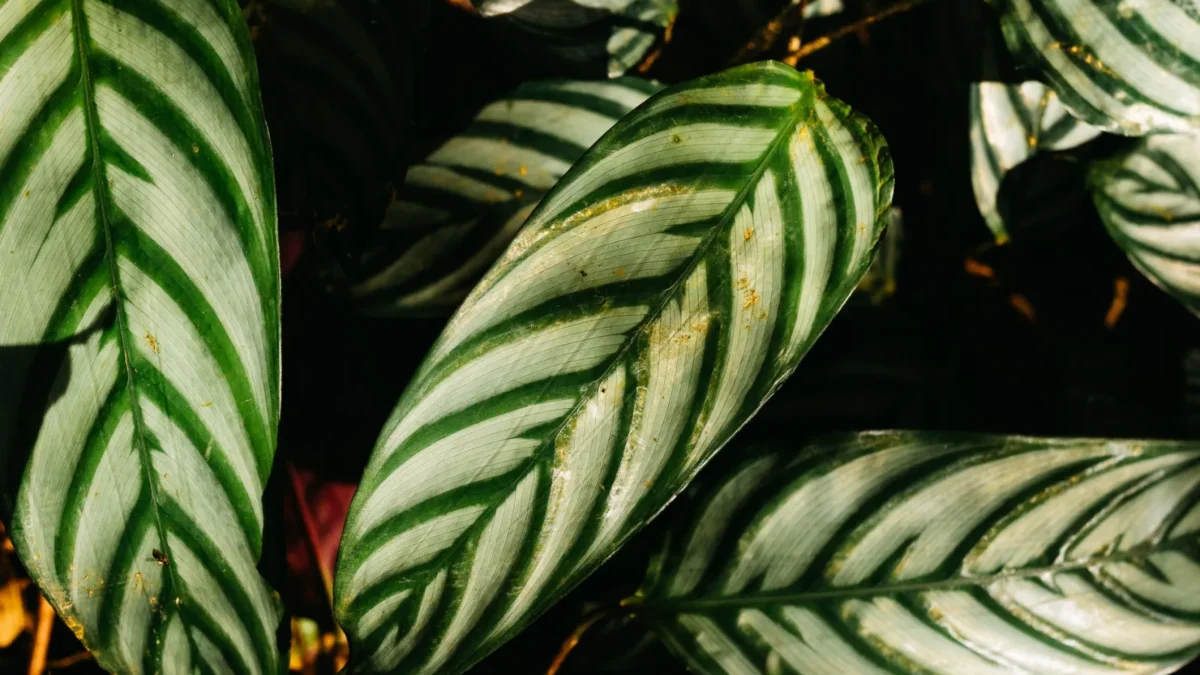
Quick answer: Calathea leaves turning yellow most often stems from overwatering and poor drainage, low humidity, or nutrient deficiency. Check your soil moisture, humidity levels, and feeding routine to identify the culprit, then adjust accordingly.
| Botanical name | Goeppertia |
|---|---|
| Light | Bright indirect light; east-facing windowsill ideal; avoid direct sunlight |
| Watering | Keep soil evenly moist during growing season; allow top 2 inches to dry slightly before watering; reduce in winter |
| Humidity | High humidity 40-60% relative; mist regularly or use pebble tray with water |
| Temperature | 16–21°C (61–70°F); avoid drafts and temperature fluctuations |
| Soil | Free-draining, moisture-retentive, peat-free compost with potting grit |
| Feeding | Balanced liquid fertilizer applied monthly during growing season |
| Size | Height 1–2 feet; spread 0.75–1 foot |
| Difficulty | easy |
| What you see | Likely cause | What to do |
|---|---|---|
| Yellow wilting leaves, soft stems | Overwatering or root rot | Empty the catch tray and stop watering until the top 2 inches of soil has dried out. If roots are dark and mushy, repot into fresh soil. |
| Yellow leaves with papery texture | Underwatering | Keep soil evenly moist during the growing season. Check moisture with your finger before watering—the soil should start to dry slightly, not completely. |
| Yellow leaves with browning edges | Low humidity | Increase humidity to at least 50% relative. Mist regularly or place on a saucer of damp pebbles. |
| Yellowing of older leaves first | Nitrogen deficiency | Apply a 1-inch top dress of 50% worm castings and 50% organic potting soil, and water thoroughly. |
| Yellow leaves + leaf curl, stunted growth | Cold drafts or temperature swings | Move away from windows, doors, and vents. Keep temperature between 16–21°C (61–70°F) with stable, warm conditions. |
Understanding the causes of yellowing Calathea leaves
The challenge with Calathea is that it walks a fine line between soil that is too wet and too dry. Overwatering is the most common culprit—it causes yellow wilting leaves, soft stems, and root rot. At the other extreme, soil that dries out too much stresses the plant, producing yellow leaves with a papery feel.
Low humidity is another major cause. Calathea needs to be located in a spot with at least 50% relative humidity. Winter indoors is particularly challenging, as heating systems dry the air. The plant performs best when humidity stays between 40% and 60%.
Nutrient deficiency also plays a role. Yellowing that starts with the older leaves and spreads across the entire leaf surface signals nitrogen deficiency.
Cold drafts and temperature fluctuations stress the plant and contribute to yellowing combined with curling. Position plants away from draughts and direct heat sources.
How to fix your yellowing Calathea
Start by examining the soil. Stick your finger about 1 inch deep—if it feels soggy, you’re overwatering. Empty any standing water from the catch tray and let the top 2 inches dry out before watering again. If roots are dark, mushy, and smell unpleasant, gently remove the plant, trim the affected roots, and repot into fresh, free-draining, moisture-retentive, peat-free compost.
If the soil is dry, water deeply until moisture reaches the base of the pot. Going forward, keep the soil consistently moist—not waterlogged—during the growing season.
For humidity, use a pebble tray filled with water beneath the pot or mist the leaves regularly. If yellowing shows as older leaves first, apply a 1-inch layer of 50% worm castings mixed with 50% organic potting soil over the existing compost, then water thoroughly. You can also feed with a balanced liquid fertiliser monthly to prevent future deficiency.
Check the location. Move the plant away from cold windows, exterior doors, and heating vents to maintain steady warmth. The ideal spot is bright indirect light—an east-facing windowsill is perfect—away from direct summer sun, which can also scorch leaves.
FAQ
Can I save a yellow Calathea?
Yes, if you act quickly. Remove the plant from its pot, inspect the roots, and trim any dark or mushy sections. Repot into fresh soil, then adjust watering, humidity, and temperature as needed. Leaves may not recover, but new growth should be green.
How often should I water my Calathea?
Water when the top 2 inches of soil start to dry out. During the growing season, this is usually weekly, but in winter, reduce frequency and allow longer drying periods.
Is my yellow Calathea toxic to my pets?
No. Calathea is non-toxic to cats, dogs, and horses. Even if chewed, it causes no serious poisoning.
Read the full guide: Calathea Care: The Complete Guide
More about Calathea
The same problem in other plants
- Why Are My Heartleaf Philodendron Leaves Turning Yellow?
- Why Are My Peace Lily Leaves Turning Yellow?
- Why Are My ZZ Plant Leaves Turning Yellow?
- Why Are My Snake Plant Leaves Turning Yellow?
Sources
- How to grow calatheas / RHS Growing Guide
- Top 5 Reasons Your Calathea Leaves Are Turning Yellow
- Calatheas / RHS Plant Guide
Photo: Jonathan Borba / Pexels, Pexels