Calathea Goeppertia
Why Are My Calathea Leaves Curling: Causes and Fixes
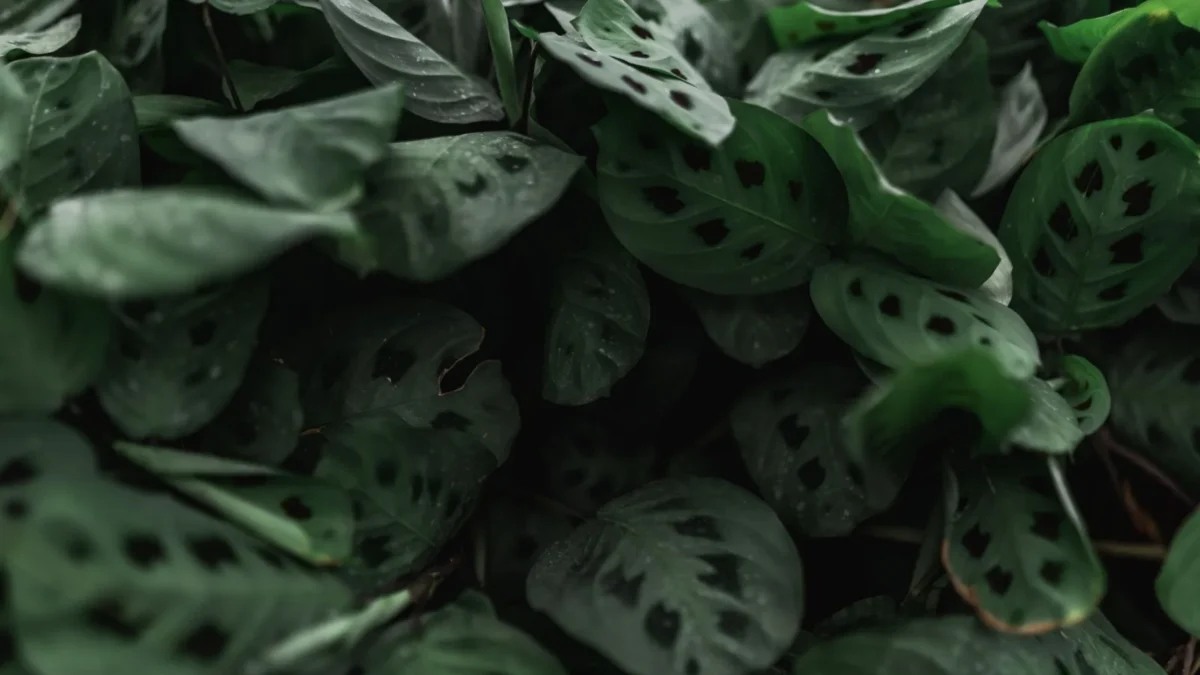
Quick answer: Calathea leaves curl mainly due to low humidity, inconsistent soil moisture, cold drafts, or temperature swings. Each cause needs a different fix, but all respond quickly once you identify and address the problem.
| Botanical name | Goeppertia |
|---|---|
| Light | Bright indirect light; east-facing windowsill ideal; avoid direct sunlight |
| Watering | Keep soil evenly moist during growing season; allow top 2 inches to dry slightly before watering; reduce in winter |
| Humidity | High humidity 40-60% relative; mist regularly or use pebble tray with water |
| Temperature | 16–21°C (61–70°F); avoid drafts and temperature fluctuations |
| Soil | Free-draining, moisture-retentive, peat-free compost with potting grit |
| Feeding | Balanced liquid fertilizer applied monthly during growing season |
| Size | Height 1–2 feet; spread 0.75–1 foot |
| Difficulty | easy |
What’s causing curling and how to fix it
| What you see | Likely cause | What to do |
|---|---|---|
| Leaves curl inward, plant wilts | Underwatering or very dry air | Water deeply until soil is saturated; increase humidity above 40% |
| Leaves curl, feel papery, edges brown | Low humidity (below 50%) | Mist regularly or place on a pebble tray with water; aim for 40–60% humidity |
| Sudden leaf curl after moving plant | Cold draft or temperature drop | Move away from windows, doors, HVAC vents; keep at 16–21°C (61–70°F) |
| Yellowing leaves, mushy stems, soil stays wet | Overwatering | Empty the catch tray and let the top 2 inches dry out before watering again |
| Leaves wilt then curl inward | Dehydration stress | Water deeply or soak from below until soil is fully saturated |
Underwatering and dry soil
Underwatering is the main culprit for calathea leaves curling. When soil dries out too much, the plant curls its leaves inward to conserve whatever moisture remains. Check soil moisture with your finger before watering—the key is letting the soil start to dry out a little, not a lot, before you water again. Water deeply or from below until the soil is completely saturated; the leaves often return to normal within hours.
Low humidity
Low humidity is responsible for more cases of calathea leaf curl than any other single cause, especially in winter. Calatheas perform best when relative humidity stays between 40% and 60%. If humidity drops below 50%, leaves curl and edges may brown. To straighten them, mist regularly or place the pot on a saucer of damp pebbles, aiming to keep humidity above 60–65%. A steamy bathroom or humidified room works well if your home is naturally dry.
Cold drafts and temperature fluctuations
Calatheas are tropical and dislike sudden temperature changes. Even brief exposure to drafts from windows, doors, HVAC vents, or ceiling fans can trigger immediate leaf curl—a 10°F (5.5°C) drop below 60°F (15.5°C) is enough to stress the plant. Move your calathea to a spot with stable warmth (ideally 18–24°C), away from draughty windows, exterior doors, and cold glass. Keep it clear of both cold drafts and hot heater vents.
Overwatering
While underwatering is the top curling culprit, overwatering causes different symptoms: yellowing wilting leaves, stem rot, and stunted growth. If the top layer of soil is still moist and leaves curl, the issue may be overwatering; excess moisture causes roots to rot. Empty the catch tray and allow the top 2 inches of soil to dry out before watering again. In severe cases, repot into fresh soil to save rotting roots.
Preventing leaf curl
Keep your calathea’s soil evenly moist during the growing season—not soggy, not bone dry. Maintain humidity between 40% and 60% year-round, using misting or a pebble tray. Position the plant at least 16–21°C (61–70°F) in a draft-free spot away from windows, doors, and heaters. Grow it in bright but indirect light; an east-facing windowsill is ideal, or behind frosted glass in a bathroom. These conditions keep your calathea relaxed and its leaves flat.
FAQ
How fast do curled leaves unfurl?
Leaves often straighten within hours once you resolve the cause—usually by watering deeply or raising humidity.
Can curled leaves be fixed, or are they permanent?
Curled leaves are a stress response, not permanent damage; they uncurl once conditions improve.
Is my curling calathea dying?
No. Curling is a protective mechanism, not a sign of dying. Address humidity, moisture, and temperature, and your plant will recover quickly.
Read the full guide: Calathea Care: The Complete Guide
More about Calathea
The same problem in other plants
- Why Are My Heartleaf Philodendron Leaves Curling?
- Why Are My Snake Plant Leaves Curling?
- Why Are My Pothos Leaves Curling?
- Why Are My Monstera Leaves Curling?
Sources
- How to grow calatheas / RHS Growing Guide
- Top 5 Reasons Your Calathea Leaves Are Turning Yellow
- 11 Common Problems With Calathea Plants
Photo: Matheus Bertelli / Pexels, Pexels