Parlor Palm Chamaedorea elegans
Is Parlor Palm Toxic to Cats, Dogs, and Other Pets?
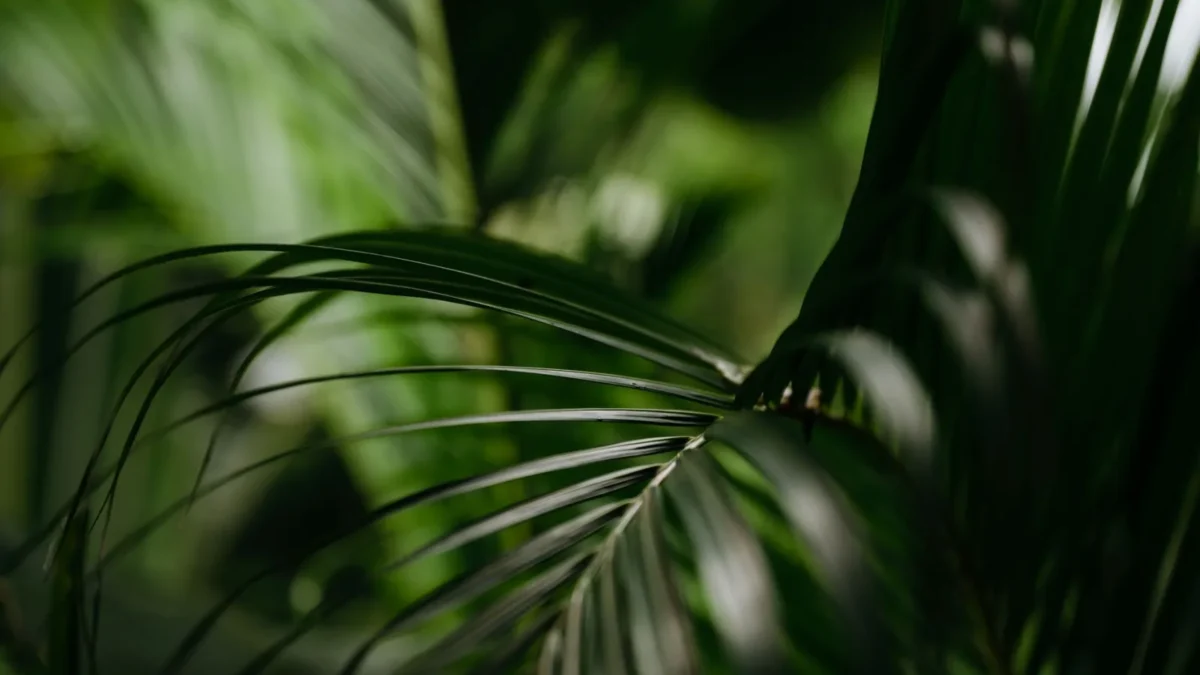
Quick answer: Parlor palm is non-toxic to cats. It is also non-toxic to dogs and horses. You can keep this plant in your home safely around pets without worry of poisoning from accidental nibbling.
| Botanical name | Chamaedorea elegans |
|---|---|
| Light | Bright filtered light; tolerates low light but prefers bright indirect light |
| Watering | Water when top inch of soil is dry; every 1-2 weeks; less often in winter |
| Humidity | Tolerates low humidity; prefers 40-50% relative humidity; mist in very dry environments |
| Temperature | 65-80°F (18-27°C); minimum winter night 61°F (16°C); avoid cold drafts |
| Soil | Peaty soil-based potting mix; 2 parts peat moss and 1 part sharp sand |
| Feeding | Balanced water-soluble fertilizer diluted to half strength monthly during growing season |
| Size | Usually 4 feet tall indoors; slow-growing; compact form |
| Difficulty | easy |
Is parlor palm toxic to cats?
The ASPCA lists parlor palm as completely safe for cats. There is no identified toxic compound in this species linked to documented poisoning in cats or dogs. If your cat chews on the fronds, it will not cause poisoning.
Eating very large amounts of any non-food plant material can cause mild stomach upset, but this is not specific to parlor palm and is not a poisoning. If your cat shows signs of vomiting, diarrhea, or loss of appetite after eating plant material, contact your vet—though this would be a general reaction to eating plants rather than toxicity.
Is parlor palm toxic to dogs and other pets?
Parlor palm is listed as non-toxic to both dogs and cats by the ASPCA. It is also safe for horses. Dogs can chew on the fronds without risk of poisoning. As with cats, eating large amounts of plant material may cause mild digestive upset in dogs, but no toxic compound is involved.
Is parlor palm safe for children?
Parlor palm is non-toxic to humans and carries no poisoning risk if a child touches or ingests small amounts. Like any houseplant, it should not be treated as food, but accidental nibbling poses no specific chemical hazard.
FAQ
What should I do if my pet eats parlor palm leaves?
Since parlor palm is non-toxic to cats and dogs, eating the leaves will not cause poisoning. If your pet eats a very large amount and shows signs of stomach upset, contact your vet, though this would be a general plant-eating reaction rather than a toxicity issue.
Can I safely keep a parlor palm in a home with cats and dogs?
Yes, parlor palm is completely safe for homes with both cats and dogs. You do not need to worry about accidental nibbling causing serious harm to your pets.
Read the full guide: Parlor Palm Care: The Complete Growing Guide
More about Parlor Palm
The same problem in other plants
- Is Christmas Cactus Toxic to Cats and Dogs?
- Is Ponytail Palm Toxic to Cats and Dogs?
- Is Areca Palm Toxic to Cats and Dogs?
- Is English Ivy Toxic to Cats and Dogs?