Anthurium Anthurium andraeanum
Is Anthurium Toxic to Cats and Dogs?
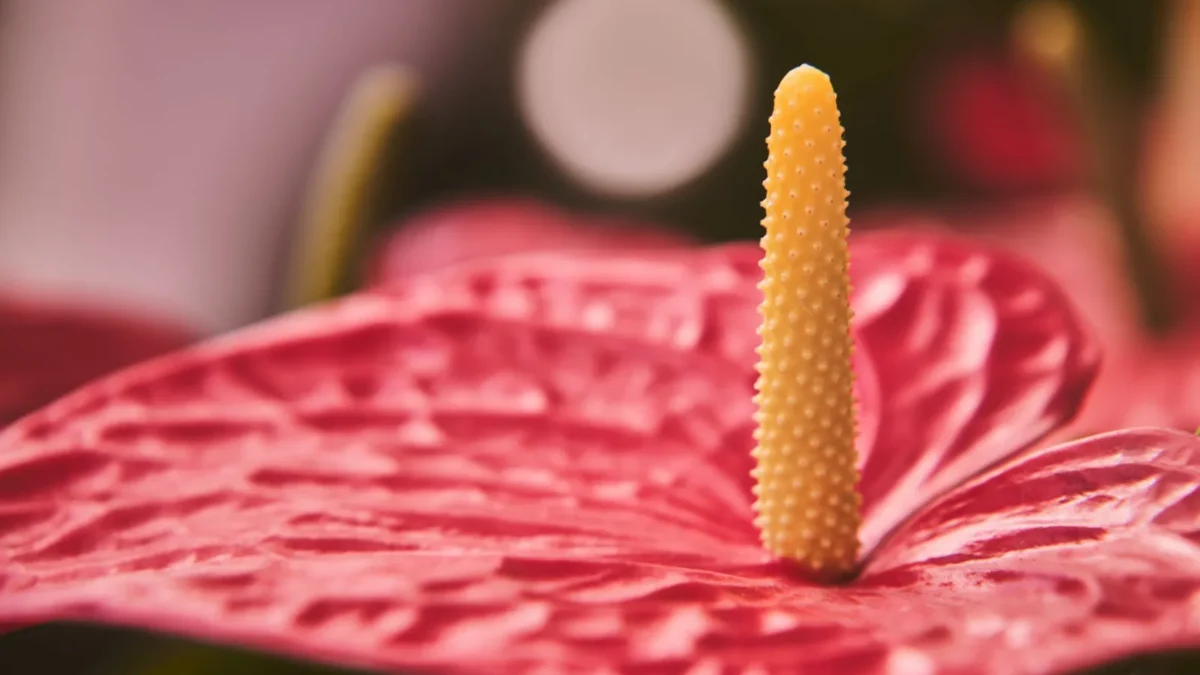
Quick answer: Yes, anthurium is toxic to both cats and dogs. The plant contains insoluble calcium oxalate crystals, which can cause oral irritation, pain, swelling, excessive drooling, vomiting, and difficulty swallowing.
| Botanical name | Anthurium andraeanum |
|---|---|
| Light | bright indirect light; avoid full sun |
| Watering | water when top inch of soil is dry; every 7-10 days spring/summer, 10-14 days fall/winter |
| Humidity | 70-80% humidity; high humidity needed |
| Temperature | 65-80°F (16-30°C); keep above 18°C |
| Soil | acidic potting mix: 2 parts ericaceous compost, 1 part orchid bark, 1 part perlite or grit |
| Feeding | orchid fertilizer every 2 weeks spring to autumn; phosphorus-rich for blooms |
| Size | 1-1.5 feet tall, 0.75-1 foot spread |
| Difficulty | easy |
What parts of the plant are toxic
Every part of anthurium poses a risk to your pets—the roots, stems, leaves, flowers, and seeds all contain calcium oxalate crystals. This means even chewing on a leaf edge or nibbling a fallen flower can cause symptoms.
Signs of anthurium toxicity in cats and dogs
If your cat or dog has chewed anthurium, watch for these symptoms:
- Oral irritation and pain
- Swelling in the mouth or throat
- Excessive drooling
- Vomiting
- Difficulty swallowing
Symptoms can appear quickly or develop over a few hours. If you see any of these signs after your pet has been near the plant, contact your vet or call the ASPCA Animal Poison Control Center immediately. They can advise on next steps based on how much your pet may have eaten.
How to keep your anthurium away from pets
The safest approach is to place your anthurium where cats and dogs cannot reach it—high shelves, locked rooms, or hanging planters away from jumping or climbing pets. Even a single leaf chewed is enough to cause discomfort and potentially serious symptoms. If you have curious pets and want a houseplant, consider keeping anthurium in a space that is genuinely off-limits to them.
Read the full guide: Anthurium Care: The Complete Guide
More about Anthurium
The same problem in other plants
- Is Hoya Kerrii Toxic to Cats and Dogs?
- Is Croton Toxic to Cats and Dogs? Pet Safety Facts
- Is Bromeliad Toxic to Cats and Dogs?
- Is Christmas Cactus Toxic to Cats and Dogs?