Ponytail Palm Beaucarnea recurvata
Is Ponytail Palm Toxic to Cats and Dogs?
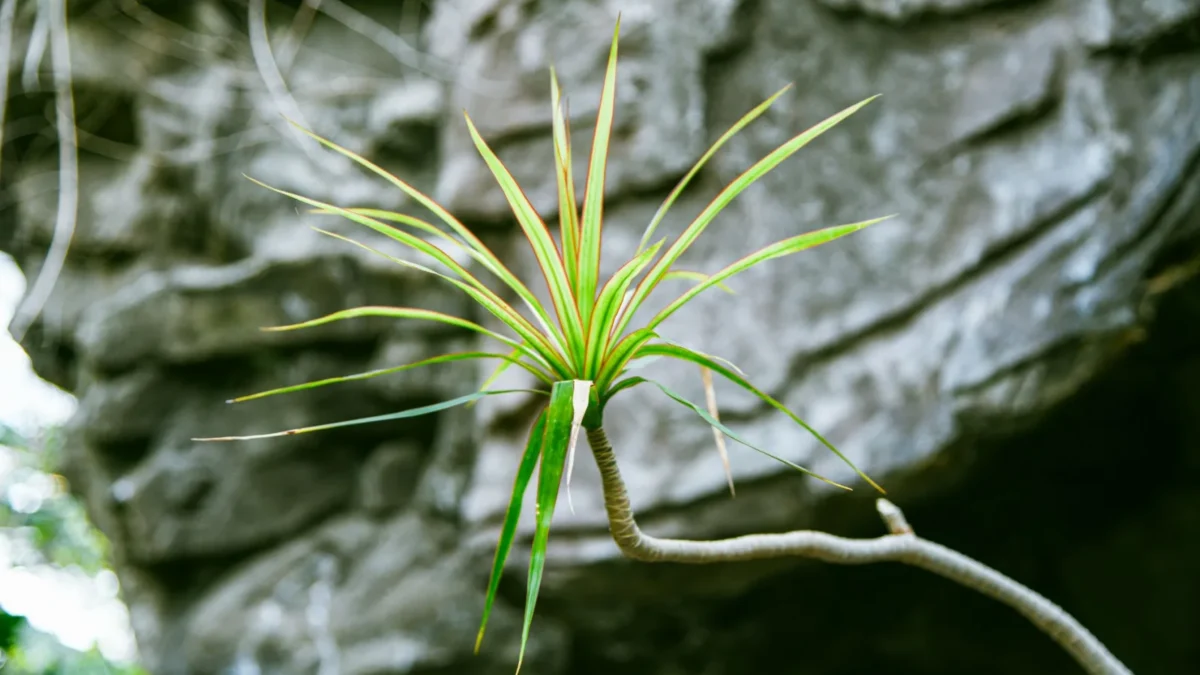
Quick answer: The ponytail palm is non-toxic to cats and non-toxic to dogs, making it a safe houseplant to keep around pets. However, chewing large amounts of its tough leaves can cause mild gastrointestinal upset, and physical injury from sharp leaf tips is possible.
| Botanical name | Beaucarnea recurvata |
|---|---|
| Light | bright indirect light; tolerates direct sun; adapts to medium light; avoid low light long-term |
| Watering | water when top 2-3 in of soil completely dry; every 2-4 weeks spring/summer; every 6-10 weeks fall/winter |
| Humidity | thrives in dry conditions; average house humidity suitable; mist if leaf tips brown |
| Temperature | 60-80°F preferred; tolerates brief periods down to 50°F; winter rest 60-65°F |
| Soil | well-draining cactus/succulent mix; potting soil with sand, perlite, or pumice |
| Feeding | balanced water-soluble fertilizer at half strength once every 4-6 weeks spring/summer only |
| Size | 3 feet tall typical indoors; can reach 5 feet with optimal light and care |
| Difficulty | easy |
| Cats | ✓ non-toxic |
| Dogs | ✓ non-toxic |
Toxicity to Cats and Dogs
The ponytail palm contains no known toxins harmful to either cats or dogs. The ASPCA Animal Poison Control Center has logged zero verified cases of ponytail palm-induced illness in cats since their database launched in 1989.
Unlike sago palm, which is highly toxic to dogs, the ponytail palm poses no chemical poisoning risk to mammals. Its fleshy caudex stores water and starch; its leaves contain no alkaloids, glycosides, or oxalates linked to animal poisoning.
That said, “non-toxic” does not mean completely harmless from a physical standpoint. If a pet chews large amounts of the plant, the tough, fibrous leaves can cause mild gastrointestinal irritation such as drooling, chewing discomfort, or transient vomiting. The sharp leaf tips can also cause minor physical injury. While you need not remove the plant from your home due to toxicity risk, thoughtful placement and supervision remain sensible precautions.
Common Confusion with Sago Palm
One major source of misinformation is confusion between ponytail palm and sago palm, which is genuinely toxic to dogs and cats. Though neither is a true palm, their similar silhouettes, thick trunks, and rosettes of long, narrow leaves make them easy to mix up. If you’re uncertain which plant you own, verify its scientific name—the ponytail palm is Beaucarnea recurvata.
Read the full guide: Ponytail Palm Care: The Complete Guide to Growing This Unique Houseplant
More about Ponytail Palm
The same problem in other plants
- Is Bromeliad Toxic to Cats and Dogs?
- Is Anthurium Toxic to Cats and Dogs?
- Is Christmas Cactus Toxic to Cats and Dogs?
- Is Areca Palm Toxic to Cats and Dogs?