Orange Bird of Paradise Strelitzia reginae
Is Orange Bird of Paradise Toxic to Dogs and Cats?
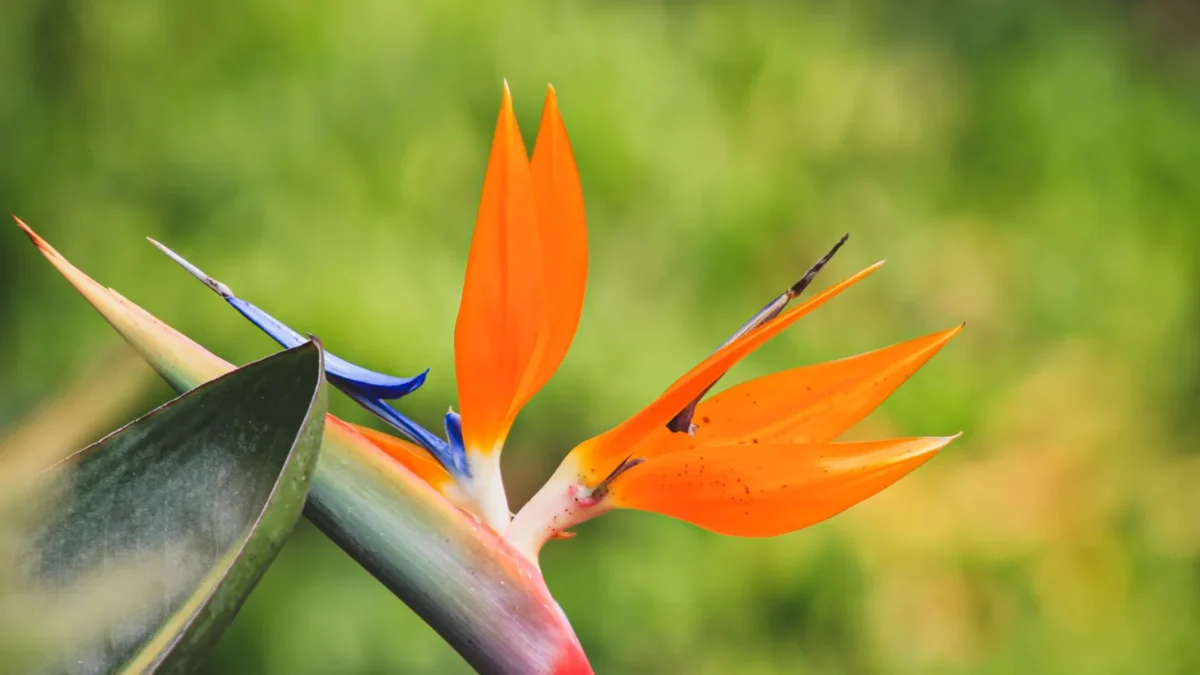
Quick answer: Yes, orange bird of paradise is toxic to dogs and cats. The flowers and seeds are the most concentrated source of toxins. Contact your veterinarian or the ASPCA Animal Poison Control Center if your pet chewed any part of the plant.
Orange Bird of Paradise at a glance
| Botanical name | Strelitzia reginae |
|---|---|
| Light | Full south or southwest window; at least 4-6 hours direct sunlight daily; shade from hot sun under glass |
| Watering | Weekly in spring and summer; every 10-14 days in fall; every 2-3 weeks in winter; water when top 2 inches of soil are dr |
| Humidity | 50-60% ideal; tolerates normal indoor humidity 30-50% |
| Temperature | 18-27°C (65-80°F) preferred; minimum 10-12°C (50-54°F) |
| Soil | Loam-based, peat-free compost with added grit for drainage |
| Feeding | Balanced liquid fertilizer monthly during growth |
| Size | 1-1.5 m tall; 0.5-1 m wide |
| Difficulty | moderate |
What makes orange bird of paradise toxic to pets
Orange bird of paradise (Strelitzia reginae) contains alkaloid compounds called strelitzine and related alkaloids. These are gastrointestinal irritants that affect both dogs and cats if ingested.
The risk isn’t evenly distributed across the plant. The flowers and seeds pose the greatest danger because they concentrate the toxins most heavily. The leaves and stems are less toxic, but ingestion can still cause problems.
Symptoms to watch for
If your dog or cat chews on any part of the plant, watch for these signs:
- Nausea
- Vomiting
- Drowsiness
Symptoms are usually mild rather than severe, but they warrant prompt attention. If you notice any of these signs or suspect your pet has eaten the plant, contact your veterinarian or the ASPCA Animal Poison Control Center immediately. They can assess the amount ingested and advise on care.
Prevention tips
Keep your orange bird of paradise out of reach of pets by placing it on a high shelf, plant stand, or room where your dog or cat doesn’t have access. If you have curious pets, this plant may not be a practical choice for your home—or choose a location where it’s genuinely inaccessible.
Note: Don’t confuse orange bird of paradise with Caesalpinia gilliesii, another plant sometimes called “bird of paradise” that is more toxic.
Read the full guide: Orange Bird of Paradise Care: The Complete Guide
More about Orange Bird of Paradise
The same problem in other plants
- Is Amaryllis Toxic to Cats and Dogs?
- Is Coffee Plant Toxic to Cats and Dogs?
- Is Baby Tears Safe for Cats and Dogs?
- Is Pencil Cactus Toxic to Dogs and Cats?
Sources
- Bird of Paradise Care: How to Get Strelitzia to Bloom
- Strelitzia reginae vs nicolai: orange vs white bird of paradise indoors
- Strelitzia reginae
Photo: Umar Andrabi / Pexels, Pexels