Fishbone Cactus Epiphyllum anguliger
Is Fishbone Cactus Toxic to Cats and Dogs?
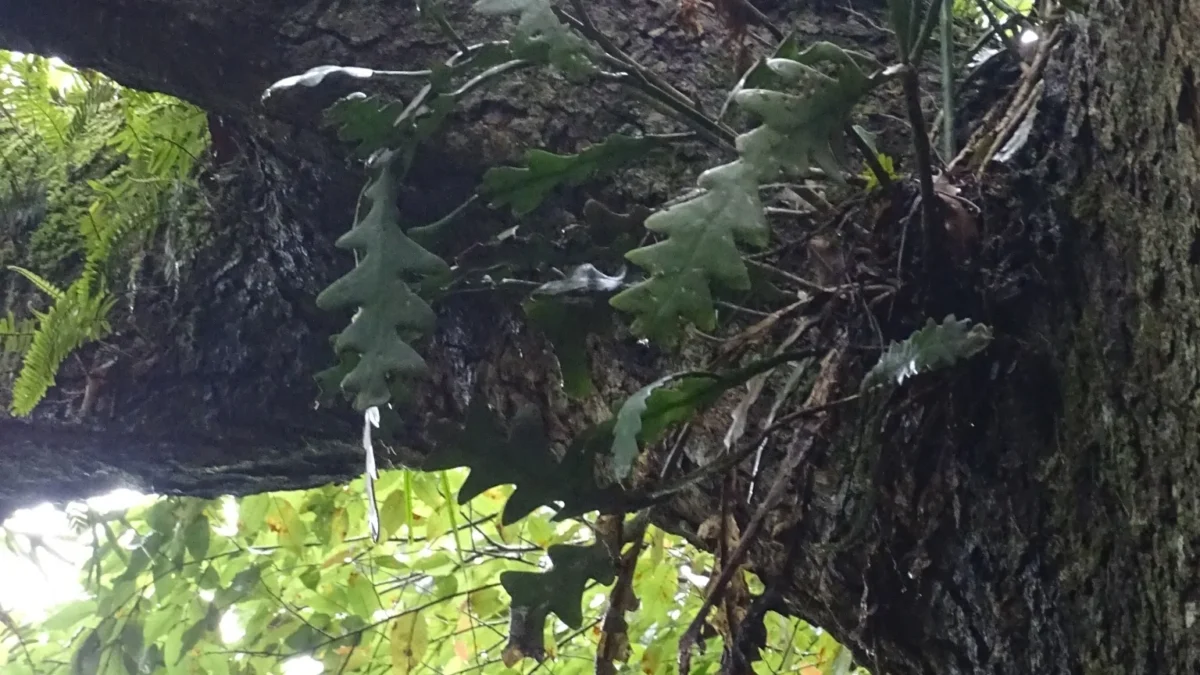
Quick answer: No, fishbone cactus is not toxic to cats or dogs. The plant is entirely safe around curious pets and children.
| Botanical name | Epiphyllum anguliger |
|---|---|
| Light | Bright, filtered indirect light; avoid strong midday sun which can scorch leaves |
| Watering | Water when top 1-2 inches of soil are dry; 1-2 times weekly in spring/summer; reduce in winter |
| Humidity | Moderate to high humidity; prefers 50-60%, tolerates as low as 40% |
| Temperature | 60-78°F (16-26°C) growing season; 50-60°F (10-16°C) in winter to encourage flowering |
| Soil | Peat-free cactus compost with added grit; potting soil, sand, and perlite mix |
| Feeding | Cactus fertilizer fortnightly spring to autumn, or 3-4 times during growing season |
| Size | 2-3 feet long; 0.5-1 metre height; 0.1-0.5 metre spread |
| Difficulty | easy |
Safety for Cats
If your cat nibbles on a fishbone cactus, there’s no poison risk. The plant won’t harm them, though no plant is meant to be eaten. The flat, spineless stems pose no physical danger either. Your cat can safely be in a home with this plant.
Safety for Dogs
Dogs are equally safe around fishbone cactus. Like cats, they won’t be poisoned if they chew on the leaves or stems. The lack of spines means no puncture hazard—a real advantage over many other cacti.
What to Watch For
While the plant itself isn’t toxic, consuming large amounts of the fibrous plant matter could cause mild, temporary stomach upset. If your pet chews on a stem or leaf and shows signs of nausea or digestive discomfort, monitor them closely. These symptoms usually pass on their own.
For peace of mind, you can place your fishbone cactus in a spot where pets are less likely to reach it, even though it’s non-toxic. This keeps both the plant and your pet happier.
Read the full guide: Fishbone Cactus Care: The Complete Growing Guide
More about Fishbone Cactus
The same problem in other plants
- Is Pencil Cactus Toxic to Dogs and Cats?
- Is Elephant Bush Toxic to Cats, Dogs, and Pets?
- Is Pink Princess Philodendron Toxic to Cats and Dogs?
- Is Bamboo Palm Toxic to Cats and Dogs?
Sources
- Details of Fishbone cactus Plant
- Fishbone Cactus
- Is Fishbone Cactus (Epiphyllum) Toxic to Cats? No — Pet-Safe
Photo: abrahamsanchez / iNaturalist, CC BY 4.0