Bunny Ears Cactus Opuntia microdasys
Is Bunny Ears Cactus Toxic to Cats and Dogs?
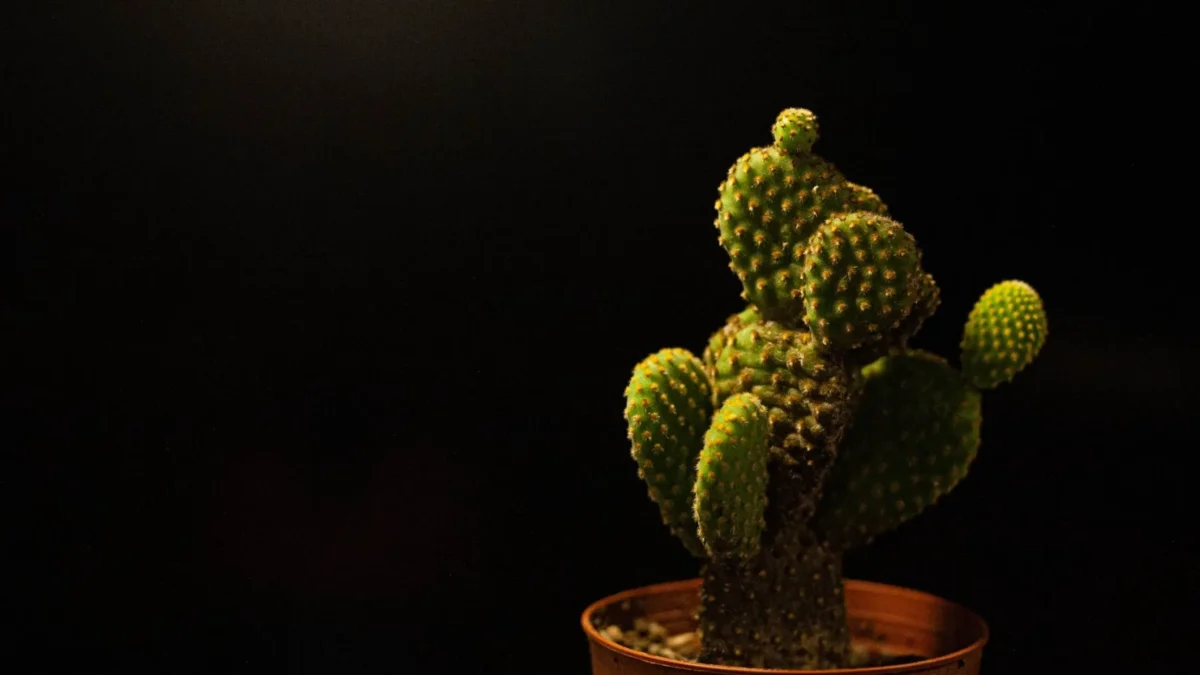
Quick answer: Bunny Ears Cactus is non-toxic to cats and dogs according to the ASPCA Animal Poison Control Center. However, the real danger lies not in poison but in the plant’s tiny, barbed glochids—hair-like spines that detach on contact and embed in skin, mouths, and eyes.
| Botanical name | Opuntia microdasys |
|---|---|
| Light | Full light; minimum 6 hours direct sunlight daily |
| Watering | Water every 1-2 weeks spring/summer; allow soil to dry completely between waterings; reduce to once every 4-6 weeks in w |
| Humidity | Below 40%; prefers dry air |
| Temperature | 70-100°F (21-38°C) growing season; 50-65°F (10-18°C) winter; avoid below 40°F (4°C) |
| Soil | Sharply-draining cactus compost; loam-based with sharp sand or perlite/pumice blend |
| Feeding | Balanced liquid fertilizer 3-4 times during spring, summer, early autumn; withhold in winter |
| Size | 40-60 cm tall; occasionally up to 2-3 feet tall, 4-6 feet wide |
| Difficulty | easy |
| Cats | ✓ non-toxic |
| Dogs | ✓ non-toxic |
The glochid hazard: physical injury, not toxicity
While the plant itself contains no toxic compounds, the physical structure of the Bunny Ears Cactus poses a risk to curious pets. The plant has numerous white or yellow glochids 2–3 mm long arranged in dense clusters. These are barbed and thinner than the finest human hairs, detaching in large numbers upon the slightest touch.
If your cat or dog touches or chews on the plant, the tiny, hair-like glochids can easily detach and cause irritation or injury to skin, mouth, or eyes. Once embedded, they are nearly impossible to spot with the naked eye and extremely difficult to remove.
What to watch for in dogs
If your dog chews on this cactus, symptoms may include drooling, pawing at the mouth, and vomiting. Immediate veterinary care is crucial in this situation. Treatment typically involves removing the glochids, managing pain, and supporting recovery from any gastrointestinal distress.
Safety tips for pet owners
The best approach is prevention:
- Keep the plant well out of reach of pets and children
- Place it on a high shelf or in a room your pets cannot access
- Avoid handling the cactus with bare hands yourself; use gloves or tongs instead
- If glochids do get onto your skin, use tweezers or adhesive tape to gently remove them, then wash the area with soap and water
Since cats are naturally curious climbers, a high windowsill may still not be safe enough. A locked cabinet or a room where your cat cannot roam is the most secure option.
Read the full guide: Bunny Ears Cactus Care: The Complete Guide
More about Bunny Ears Cactus
The same problem in other plants
- Is Norfolk Island Pine Toxic to Cats and Dogs?
- Is Purple Shamrock Toxic to Cats and Dogs?
- Is Burro's Tail Toxic to Cats and Dogs?
- Is Tradescantia Zebrina Toxic to Cats and Dogs?