Tradescantia Zebrina Tradescantia zebrina
Is Tradescantia Zebrina Toxic to Cats and Dogs?
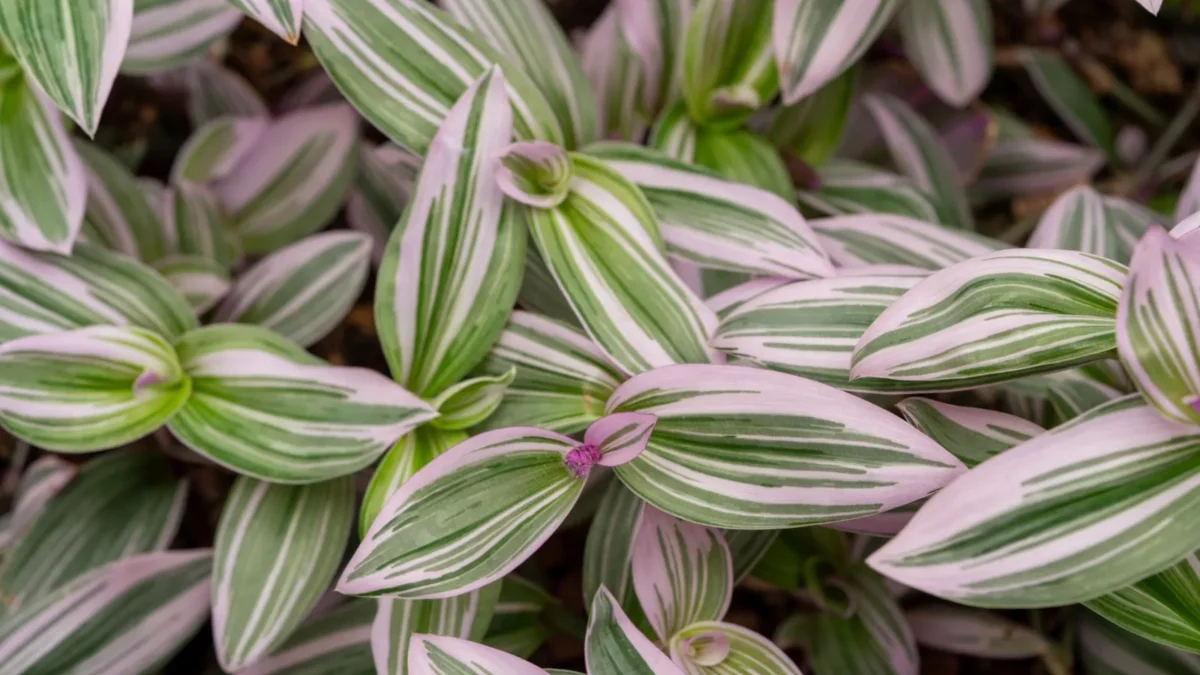
Quick answer: Yes, tradescantia zebrina is toxic to both cats and dogs. Contact with the plant’s sap causes skin irritation and dermatitis, while ingestion may cause mild gastrointestinal upset.
Tradescantia Zebrina at a glance
| Botanical name | Tradescantia zebrina |
|---|---|
| Light | Bright indirect light; tolerates filtered sun and shade; direct sun may scorch leaves |
| Watering | Water when top inch of soil is dry; keep consistently moist during growing season; reduce watering fall to late winter |
| Humidity | 40–60% relative humidity |
| Temperature | 60–85°F; avoid below 50°F |
| Soil | Peaty, soil-based potting mix; equal parts peat moss, perlite, potting soil; well-draining, slightly acidic to neutral p |
| Feeding | Monthly diluted half-strength liquid fertilizer during spring and summer growing season |
| Size | 6–9 inches tall; spreads 2–3 feet or wider in hanging baskets |
| Difficulty | easy |
| Cats | ⚠️ toxic — Skin irritation and contact dermatitis from sap; mild GI upset if ingested |
| Dogs | ⚠️ toxic — Skin irritation and contact dermatitis from sap; mild GI upset if ingested |
Toxicity to cats and dogs
Tradescantia zebrina poses a genuine risk to both cats and dogs in your home. If your pet chews on this plant, the sap can irritate their skin, mouth, and digestive system.
Symptoms of exposure include:
- Skin contact: Redness, itching, and contact dermatitis where the sap touches skin
- Ingestion: Mild vomiting and gastrointestinal upset
These symptoms are typically not life-threatening, but they’re uncomfortable for your pet and a sign the plant should be kept out of reach. If your cat or dog has chewed on tradescantia zebrina and shows any of these signs, monitor them closely. Contact your veterinarian or the ASPCA Animal Poison Control Center if symptoms persist or worsen.
How to keep your pets safe
The simplest approach is placement. Put your tradescantia zebrina where your cats and dogs cannot easily reach it—a high shelf, hanging basket, or closed room works well. This plant spreads 2–3 feet or wider in hanging baskets, so a suspended planter keeps both the trailing stems and curious pets out of harm’s way.
If you must handle the plant, wear gloves and other protective equipment to avoid skin contact with the sap. Wash your hands thoroughly after handling, especially before touching your face or your pet.
FAQ
Is tradescantia zebrina toxic to humans?
Handling the leaves or sap can cause contact dermatitis—skin irritation, redness, and itching. Wear gloves when propagating or repotting to protect your hands.
What do I do if my pet eats tradescantia zebrina?
Monitor your pet for vomiting, diarrhea, or loss of appetite. If symptoms appear or your pet shows signs of distress, contact your veterinarian or the ASPCA Animal Poison Control Center immediately with details about what your pet ate.
Read the full guide: Tradescantia Zebrina Care: The Complete Guide
More about Tradescantia Zebrina
The same problem in other plants
- Is Purple Shamrock Toxic to Cats and Dogs?
- Is Burro's Tail Toxic to Cats and Dogs?
- Is Bunny Ears Cactus Toxic to Cats and Dogs?
- Is Weeping Fig Toxic to Cats, Dogs, and Other Pets?
Sources
- Tradescantia zebrina
- Tradescantia zebrina 'Little Hill' (v)
- Wandering Dude (Tradescantia zebrina): All You Need To Know
Photo: Matej Bizjak / Pexels, Pexels