Ponytail Palm Beaucarnea recurvata
Ponytail Palm Care: The Complete Guide to Growing This Unique Houseplant
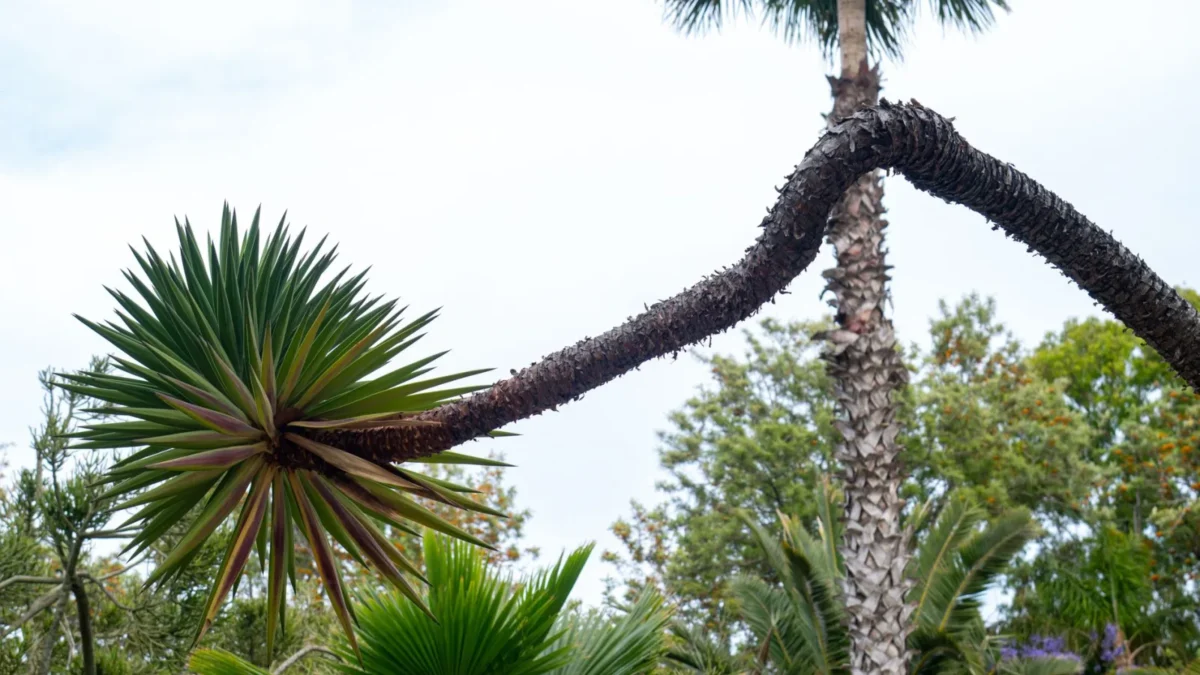
Ponytail palm care is straightforward once you understand its fundamental needs: this is a drought-adapted succulent that thrives on bright light, infrequent watering, and well-draining soil. The ponytail palm (Beaucarnea recurvata) belongs to the family Asparagaceae and is not a true palm at all—it’s a succulent with a distinctive swollen, water-storing base called a caudex. With the right setup, it’s one of the easiest houseplants to maintain, as long as you avoid overwatering.
| Botanical name | Beaucarnea recurvata |
|---|---|
| Light | bright indirect light; tolerates direct sun; adapts to medium light; avoid low light long-term |
| Watering | water when top 2-3 in of soil completely dry; every 2-4 weeks spring/summer; every 6-10 weeks fall/winter |
| Humidity | thrives in dry conditions; average house humidity suitable; mist if leaf tips brown |
| Temperature | 60-80°F preferred; tolerates brief periods down to 50°F; winter rest 60-65°F |
| Soil | well-draining cactus/succulent mix; potting soil with sand, perlite, or pumice |
| Feeding | balanced water-soluble fertilizer at half strength once every 4-6 weeks spring/summer only |
| Size | 3 feet tall typical indoors; can reach 5 feet with optimal light and care |
| Difficulty | easy |
| Cats | ✓ non-toxic |
| Dogs | ✓ non-toxic |
Key points
- Water only when the top 2–3 inches of soil are completely dry—typically every 2–4 weeks in spring/summer and every 6–10 weeks in fall/winter
- Provide bright indirect light; it tolerates direct sun and can adapt to medium light but struggles in low light long-term
- Use well-draining cactus or succulent soil and repot only once every five years
- Fertilize with half-strength balanced fertilizer once every 4–6 weeks during spring and summer only—overfeeding causes brown leaf tips
- Keep temperatures between 60–80°F; it tolerates brief periods down to 50°F but avoid prolonged cold
- Overwatering is the #1 killer; it causes irreversible root rot and stem collapse
Light Requirements for Ponytail Palms
Ponytail palms thrive in strong light exposure. In the northeastern United States, they’re healthiest in a south-facing window with direct or indirect light, but can also adapt to a bright room with southern light or an east- or west-facing window. If you only have northern exposure windows, full-spectrum grow lights work well.
The more light your plant receives, the faster it grows and the more compact and lush the foliage becomes. High light levels encourage vigorous growth; moderate light will work but growth slows considerably. Long-term exposure to low light is not suitable.
In winter months, move your ponytail palm closer to a bright light source if needed. Signs of insufficient light include slow growth, pale or yellowing leaves, and weak, elongated growth (etiolation).
While ponytail palms tolerate some direct sunlight, intense, unfiltered rays through window glass can occasionally scorch leaves, creating brown tips or faded patches. This is rare indoors but most likely in hot, south-facing windows during summer. If this happens, use sheer curtains or move the plant slightly back from the window.
Watering Your Ponytail Palm: Frequency and Techniques
The Golden Rule: Dry Soil First
Water your ponytail palm only when the top 2–3 inches of soil are completely dry. Never follow a fixed watering schedule; instead, check the soil with your finger before watering. This approach prevents the overwatering that kills more ponytail palms than any other cause.
You can also check the caudex (the swollen base of the trunk) to gauge moisture—if it feels slightly soft or less taut than usual, the plant has adequate water.
Seasonal Watering Frequency
In spring and summer, when the plant is actively growing, watering typically occurs every 2–4 weeks, depending on your indoor temperature, pot size, and soil mix. As days shorten and temperatures drop in fall and winter, cut back to once every 6–10 weeks. Seasonality matters because ponytail palms respond directly to changes in photoperiod and temperature—not arbitrary calendar dates.
From November through February, your plant enters winter rest with dryer growing conditions that mimic its natural semi-desert habitat. Stretch waterings to once a month or longer, and let the soil go fully bone-dry between soakings.
Drainage and Pot Management
Always empty the saucer beneath the pot within 10 minutes of watering so the base of the trunk never sits in standing water. This prevents the soft rot that develops when roots stay wet.
Signs You Need to Adjust
If leaves crisp and the potting mix is dry, your plant is thirsty and needs more frequent watering. Conversely, yellow leaves or a mushy, soft stem signal overwatering and root rot. Brown or yellow leaf tips can indicate root rot, but if the plant otherwise feels secure in the soil, do not panic immediately.
Humidity and Temperature Preferences
Humidity
Ponytail palms thrive in dry conditions—the drier the air, the better. As desert plants native to the semi-desert regions of Mexico, they handle the dry air found in most homes with ease. Average house humidity is perfectly suitable.
If leaf tips turn brown despite proper watering, dry air may be the culprit. If this happens, mist the foliage occasionally with a spray bottle to increase humidity slightly. Brown leaf tips may be clipped off with clean scissors for a tidier appearance.
Temperature
This plant prefers normal room temperatures between 60–80°F. It can endure brief periods of colder temperatures down to 50°F (10°C), but prolonged exposure below 50°F will damage the plant. Keep it away from cold drafts near windows in winter and away from heat vents in summer.
For optimal health, maintain a winter rest period (November through February) with temperatures toward the cooler end of the range (60–65°F if possible) to simulate its natural habitat.
Soil and Repotting Guidelines
Soil Mix
Ponytail palm needs soil that mimics its native arid environment. A mixture of potting soil, sand, and perlite or pumice provides both nutrients and excellent drainage. Many growers also use a ready-made cactus or succulent mix, which works equally well. Good drainage is crucial—soil that retains too much moisture leads to root rot.
Pot Selection
Use a pot with adequate drainage holes at the base. When repotting, choose a pot that’s only a few centimetres wider than the original.
Repotting Frequency
Unlike many houseplants, ponytail palms need repotting only once every five years. Being in the same pot for several seasons actually mimics their natural rocky habitat, where roots may be constricted. Start with 4 cm of fresh, peat-free cactus and succulent compost at the base of the new pot before adding the plant.
Feeding and Fertilizer Needs
Ponytail palms have low fertilizer requirements. During the growing season (spring and summer only), feed with a balanced, water-soluble fertilizer diluted to half strength once every 4–6 weeks. Use a fertilizer with an NPK ratio of 10-10-10 or similar. Do not fertilize in fall and winter.
Overfeeding is a common mistake: applying fertilizer more than twice a year causes brown tips on the leaves. Other signs of over-fertilization include a white crust on the soil surface and stunted growth.
Pruning and Shaping Your Ponytail Palm
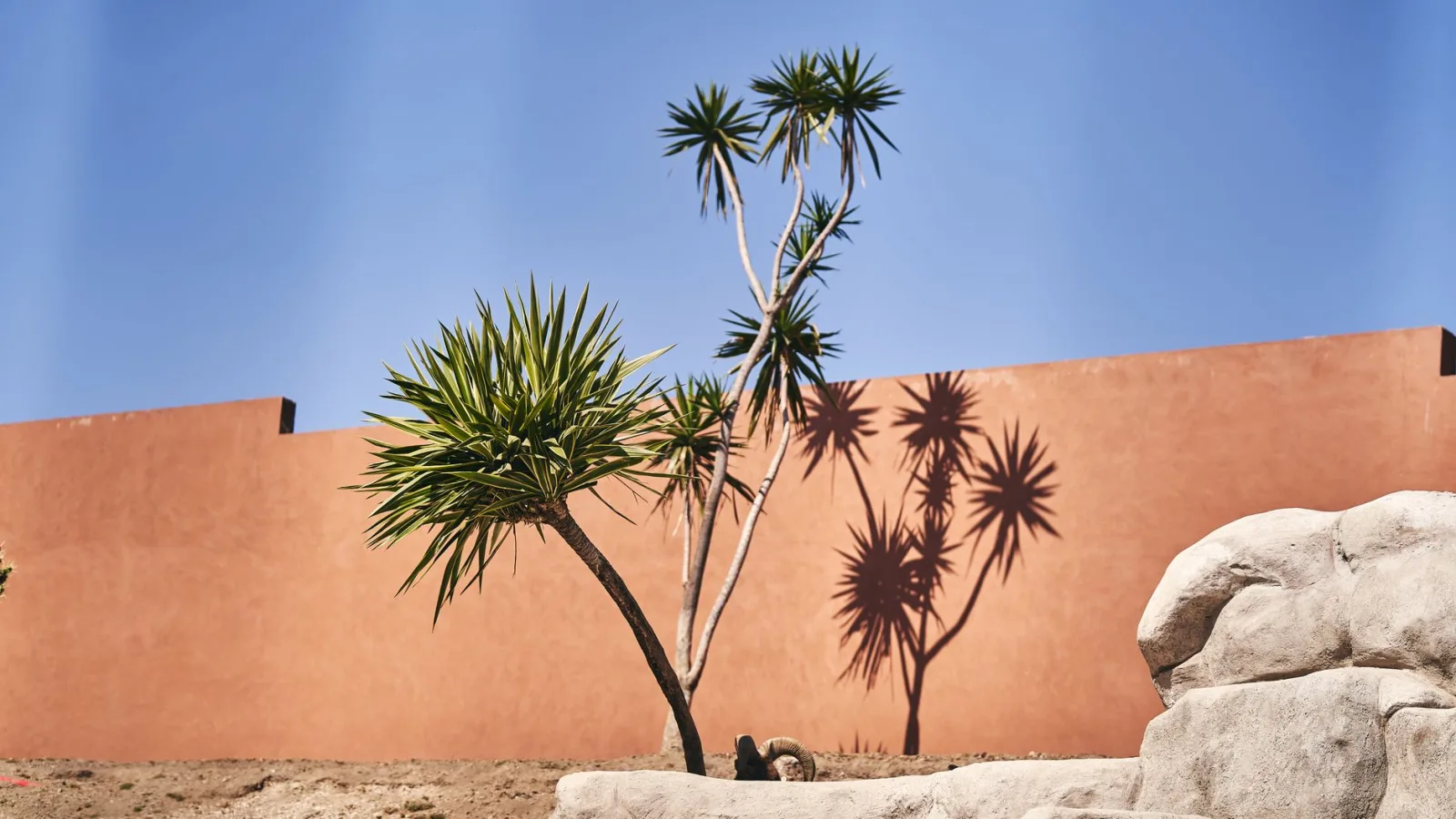
Ponytail palms are slow growers that thrive on “benign neglect” and should not require pruning when grown as houseplants. The plant’s distinctive fountain of thin, arching leaves needs only light upkeep. A light trim now and then is all it takes—remove any dead or yellowed leaves at their base using clean scissors.
Brown leaf tips can be trimmed off for appearance. Otherwise, allow the plant to develop its natural form.
Propagation Methods: Pups, Cuttings, and Seeds
Pup Division (Most Reliable Method)
The most reliable and fastest propagation method is dividing basal offsets—called “pups”—which have an 85–95% success rate under optimal conditions. Pups are small rosettes that grow at the base of the parent plant.
Wait until an offset reaches about one-third the height of the parent ponytail palm before separating it. Smaller pups lack sufficient root reserves to survive independently. Choose offsets that are at least 3–4 inches tall with some root development if possible.
In spring or early summer, use a clean, sharp knife or sterilized pruning shears to separate the pup from the parent plant, cutting as close to the base as possible without damaging either. Let the cut end dry for 24 hours to callus over, which helps prevent rot.
Plant the offset in a small pot filled with well-draining cactus or succulent mix. Remove healthy basal offsets in spring, allow the cut surface to callus for 3–5 days, then plant in fast-draining cactus mix at 70–80°F (21–27°C) with bright indirect light. Water sparingly until new growth appears—typically 4–12 weeks.
Seed Propagation
Seed propagation is possible but significantly slower and less reliable. Seeds take 3–6 months to germinate and 2+ years to reach 6 inches tall. Germination rates are only 40–70%, and seedlings are environmentally sensitive. This method is best left to patient hobbyists.
Methods That Do Not Work
Leaf cuttings, trunk cuttings, air layering, grafting, and water rooting do not work with ponytail palms. This species cannot regenerate from leaf or trunk tissue because it lacks adventitious bud-forming tissue in those parts. All regenerative activity is confined to the crown and basal axils where pups form.
Common Problems and Solutions
Overwatering and Root Rot
Overwatering is the #1 cause of death in this drought-adapted succulent. Chronic overwatering triggers irreversible root rot, yellowing leaves, soft trunk bases, and eventual collapse. The solution: water only when the top 2–3 inches of soil are completely dry, empty saucers after 10 minutes, and use well-draining soil. If root rot is advanced, repotting into fresh soil may save the plant; however, severe rot is often fatal.
Brown Leaf Tips from Dry Air
Brown tips on leaves are a reaction to dry air. While ponytail palms tolerate dry conditions well, extremely arid indoor environments can cause this cosmetic issue. Mist the plant occasionally to increase humidity slightly, or simply trim off brown tips for appearance.
Brown Tips from Overfeeding
Applying fertilizer more than twice a year causes brown tips on the leaves. Stick to the recommended schedule of half-strength feeding once every 4–6 weeks during spring and summer only.
Underwatering
If leaves are crisping and the potting mix is dry, your plant is thirsty. Increase watering frequency slightly, but always check that the top 2–3 inches of soil are dry before watering again.
Scorching from Intense Direct Sun
Foliage can become scorched by intense direct sunlight, especially when it comes through window glass, creating brown or bleached leaf tips. If this occurs, use a sheer curtain to diffuse afternoon rays or move the plant slightly away from the window.
Pest Issues
Houseplants can be susceptible to spider mites, mealybug, and scale. Inspect the undersides of leaves regularly for fine webbing, sticky residue, or small bumps. Treat infestations with insecticidal soap or neem oil, repeating every 7–10 days until pests are gone.
Is Ponytail Palm Safe for Cats and Dogs?
Yes, ponytail palm is completely non-toxic to both cats and dogs according to the ASPCA. Unlike sago palm (a common misidentified lookalike), ponytail palm contains no known compounds harmful to mammals.
The plant’s fleshy caudex stores water and starch; its leaves contain no alkaloids, glycosides, or oxalates linked to animal poisoning. The ASPCA Animal Poison Control Center has logged zero verified cases of ponytail palm–induced illness in cats since their database launched in 1989.
However, “non-toxic” does not mean “indigestible.” The plant’s tough, fibrous leaves can cause mild gastrointestinal irritation—such as drooling, chewing discomfort, or transient vomiting—if a pet chews large amounts. Physical injury from sharp leaf tips is also possible. While you need not remove it from your home due to toxicity risk, thoughtful placement, supervision, and environmental enrichment remain essential best practices for responsible pet guardianship.
FAQ
How often should I water my ponytail palm?
Water only when the top 2–3 inches of soil are completely dry—typically every 2–4 weeks in spring and summer, and every 6–10 weeks in fall and winter. Never follow a fixed schedule; always check soil moisture first.
Can ponytail palm live in low light?
Ponytail palms do not do well in low light over the long haul. They need bright indirect light or direct sun to thrive. In darker rooms, growth slows significantly and foliage may yellow. If you have only northern windows, use full-spectrum grow lights.
How tall does a ponytail palm grow indoors?
Under normal indoor conditions, ponytail palms typically reach about 3 feet tall. With optimal direct sunlight (at least eight hours per day) and a well-maintained watering schedule, they can reach their maximum potential of five feet.
How often should I repot my ponytail palm?
Repot only once every five years. Being in the same pot for several seasons actually mimics their natural habitat. Choose a pot just a few centimetres wider than the original and use fresh cactus and succulent compost.
Why does my ponytail palm have brown leaf tips?
Brown tips can result from three causes: dry air (most common), over-fertilization, or occasionally underwatering. Check your watering frequency first, ensure you’re fertilizing only twice per year, and if the plant otherwise looks healthy, mist it occasionally to increase humidity. You can trim brown tips off with clean scissors.
Is ponytail palm really a palm?
No. The ponytail palm is not a true palm tree at all—it’s a succulent. It belongs to the family Asparagaceae and is named for its distinctive fountain-like foliage that resembles a ponytail.
More about Ponytail Palm
Sources
- Ponytail Palm (Beaucarnea recurvata) Care Guide 🌟 – Healthy Houseplants
- Beaucarnea recurvata – Plant Finder
- Houseplant care – Ponytail Palm (Beaucarnea recurvata) – Research Guides at New York Botanical Garden
Photo: MAG Photography / Pexels, Pexels