Ponytail Palm Beaucarnea recurvata
How to Propagate Ponytail Palm: Step-by-Step Methods
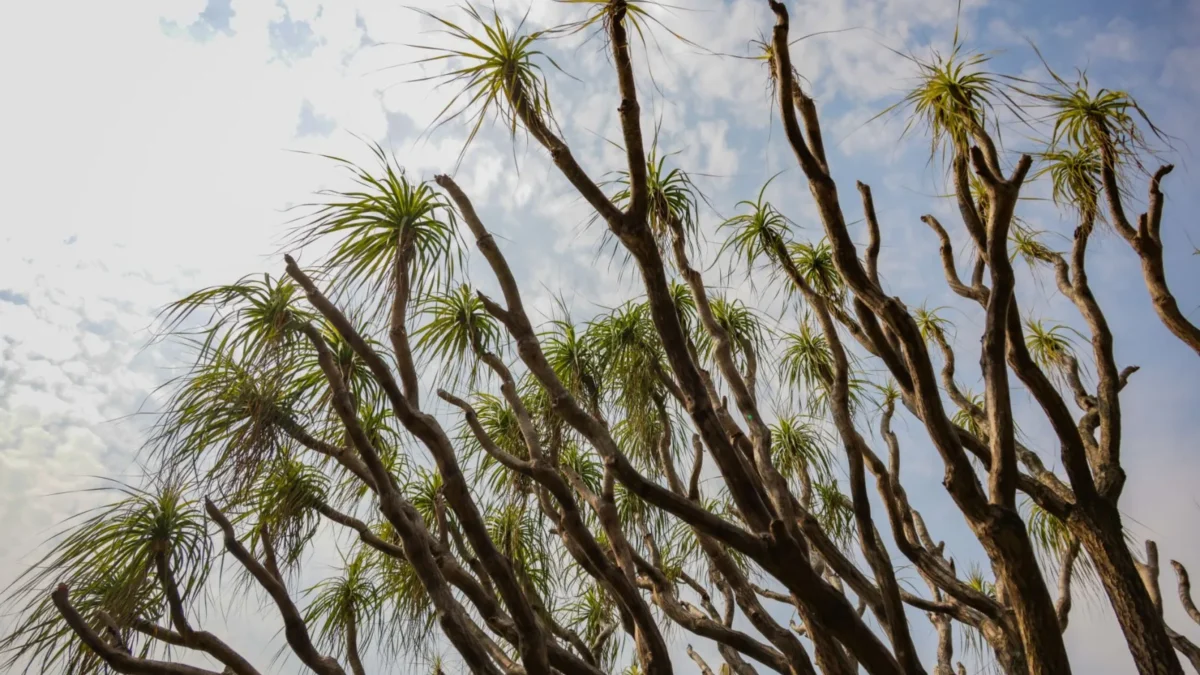
Quick answer: The most reliable way to propagate ponytail palm is by separating basal offsets (pups) in spring, allowing the cut to callus for 24 hours, then planting in fast-draining cactus mix. Seed propagation works but is slow; leaf and stem cuttings do not work on this species.
| Botanical name | Beaucarnea recurvata |
|---|---|
| Light | bright indirect light; tolerates direct sun; adapts to medium light; avoid low light long-term |
| Watering | water when top 2-3 in of soil completely dry; every 2-4 weeks spring/summer; every 6-10 weeks fall/winter |
| Humidity | thrives in dry conditions; average house humidity suitable; mist if leaf tips brown |
| Temperature | 60-80°F preferred; tolerates brief periods down to 50°F; winter rest 60-65°F |
| Soil | well-draining cactus/succulent mix; potting soil with sand, perlite, or pumice |
| Feeding | balanced water-soluble fertilizer at half strength once every 4-6 weeks spring/summer only |
| Size | 3 feet tall typical indoors; can reach 5 feet with optimal light and care |
| Difficulty | easy |
| Cats | ✓ non-toxic |
| Dogs | ✓ non-toxic |
Propagating Ponytail Palm from Pups (Offsets)
Pup division is the fastest and most successful method, with success rates of 85–95% under optimal conditions. Most mature ponytail palms naturally produce these small shoots at their base—wait until one reaches about one-third the height of the parent plant before separating it. Aim for offsets at least 3 to 4 inches tall with some visible roots if possible.
Spring and early summer are ideal timing, when warmer temperatures and longer daylight hours give your propagations the best chance to root and thrive.
Step-by-step pup separation:
- Use a clean, sharp knife or pruning shears to cut the pup as close to the base as possible without damaging the parent plant.
- Let the cut end dry for 24 hours to form a callus—this prevents rot.
- Plant the offset in a small pot filled with well-draining cactus or succulent mix.
- Place in bright indirect light at 70–80°F (21–27°C).
- Water sparingly until new growth appears, which typically takes 4–12 weeks.
Why Cuttings and Leaf Propagation Don’t Work
Unlike many houseplants, ponytail palm cannot regenerate from leaf or stem cuttings, and water rooting is ineffective. This is because ponytail palms lack the specialized bud-forming tissue in leaves or stems needed for new growth—their growth originates only from the crown and basal axils where pups form naturally.
Seed Propagation
If pups aren’t available, you can grow ponytail palm from seed, but expect a significantly slower process. Germination takes 3–6 months, and seedlings take 2+ years to reach just 6 inches tall. Success rates are lower (40–70%) and seedlings are more sensitive to environmental conditions. For impatient growers, pup division is the clear winner.
FAQ
Can you propagate ponytail palm in water?
No; ponytail palm needs well-draining cactus mix to prevent rot. Water rooting is biologically ineffective for this species.
When is the best time to propagate ponytail palm?
Spring and early summer offer the warmest temperatures and longest daylight hours, giving new growth the best chance to establish.
How long does it take for a ponytail palm pup to root?
New growth typically appears 4–12 weeks after planting, depending on light, temperature, and humidity.
Read the full guide: Ponytail Palm Care: The Complete Guide to Growing This Unique Houseplant
More about Ponytail Palm
The same problem in other plants
- How to Propagate Anthurium: A Step-by-Step Guide
- How to Propagate African Violets from Leaves
- How to Propagate Christmas Cactus from Cuttings
- How to Propagate Areca Palm: Methods That Work
Sources
- How to Propagate Ponytail Palm: Pups & Seeds Step-by-Step
- Ponytail Palm Propagation: How to Multiply This Unique, Drought-Loving Plant
- How to Propagate Ponytail palm? Pups & Offsets
Photo: Magda Ehlers / Pexels, Pexels