Ponytail Palm Beaucarnea recurvata
How Often to Water Your Ponytail Palm: Complete Watering Guide
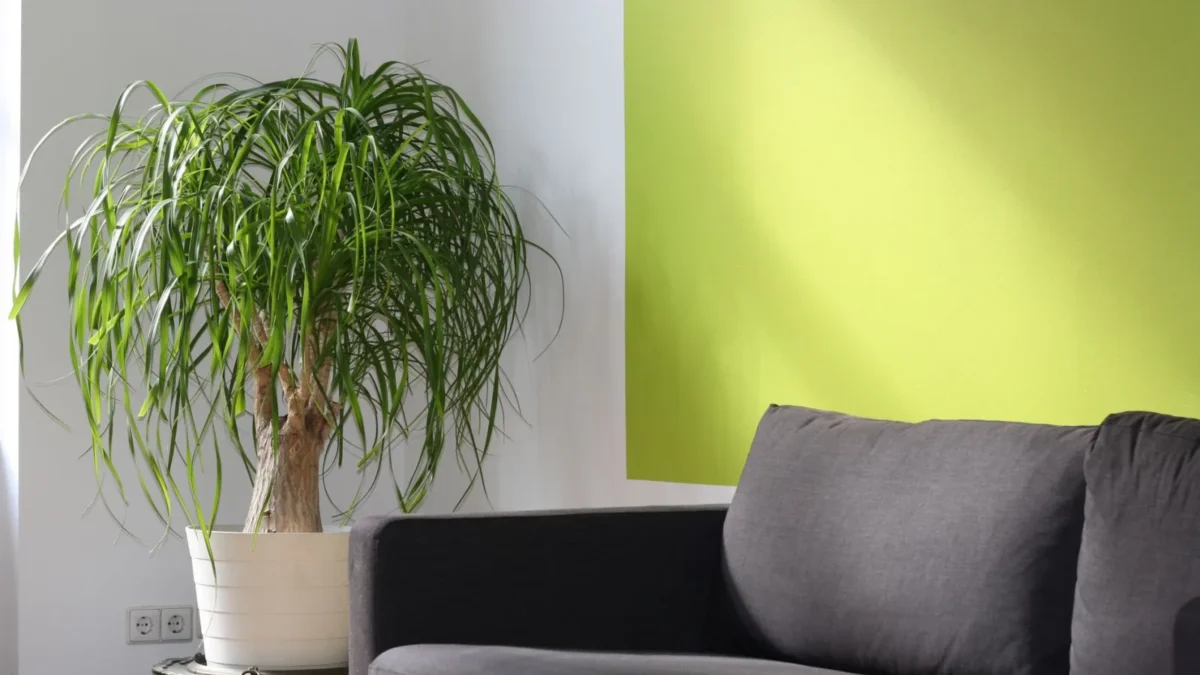
Quick answer: How often to water ponytail palm depends on soil moisture, not the calendar. In most indoor settings, that means watering every 2–4 weeks in spring and summer, and every 6–10 weeks in fall and winter. Always check that the top 2–3 inches of soil are completely dry before watering.
| Botanical name | Beaucarnea recurvata |
|---|---|
| Light | bright indirect light; tolerates direct sun; adapts to medium light; avoid low light long-term |
| Watering | water when top 2-3 in of soil completely dry; every 2-4 weeks spring/summer; every 6-10 weeks fall/winter |
| Humidity | thrives in dry conditions; average house humidity suitable; mist if leaf tips brown |
| Temperature | 60-80°F preferred; tolerates brief periods down to 50°F; winter rest 60-65°F |
| Soil | well-draining cactus/succulent mix; potting soil with sand, perlite, or pumice |
| Feeding | balanced water-soluble fertilizer at half strength once every 4-6 weeks spring/summer only |
| Size | 3 feet tall typical indoors; can reach 5 feet with optimal light and care |
| Difficulty | easy |
| Cats | ✓ non-toxic |
| Dogs | ✓ non-toxic |
The Right Way to Check Your Soil
Don’t water on a fixed schedule. The best way to know if your ponytail palm needs water is to feel the soil and check the plant’s water-storage base. Press your finger 2–3 inches into the soil; if it feels dry, water thoroughly. You can also gently squeeze the caudex—the swollen, bulbous trunk base—and feel if it’s slightly softer or less firm than usual. When it feels turgid and solid, the plant has enough water stored. Empty any saucer or cache pot after 10 minutes so the base never sits in water.
Watering Schedule by Season
Spring and summer are the ponytail palm’s active growing season. Water every 2–4 weeks, but only after confirming the soil is dry. Growth slows dramatically in fall and winter, so reduce watering to once every 6–10 weeks. Even in heated homes, the plant rests and needs far less water. Let the soil go fully dry between soakings during this period.
Indoor vs. Outdoor Watering
Indoor ponytail palms in pots follow the schedule above. If you keep yours outdoors during summer, water more regularly but always allow it to dry out between applications. When you bring an outdoor plant indoors for winter, reduce watering immediately. Indoor pots with drainage holes are essential to prevent root rot, the number one cause of death in this drought-adapted succulent.
Why Overwatering Kills This Plant
The ponytail palm is native to Mexico’s semi-arid regions and stores water in its caudex. It thrives in dry conditions and does not need frequent watering. Chronic overwatering triggers irreversible root rot, yellowing leaves, a mushy or soft trunk, and eventual collapse. Use well-draining cactus or succulent potting mix, never standard houseplant soil.
Signs Your Plant Needs Water or Is Overwatered
Underwatered: Leaves crisp and dry at the edges; the potting mix pulls away from the pot’s sides.
Overwatered: Yellow leaves or a mushy, soft stem. Brown or yellow leaf tips can also indicate root rot.
FAQ
How much water should I use per watering?
Water thoroughly until it drains from the bottom holes, then discard excess. Don’t use a small splash; soak the entire root ball. One thorough watering every 2–4 weeks in growing season is enough.
What if my ponytail palm has brown leaf tips?
Brown tips are often a sign of underwatering or dry air, not overwatering. Average house humidity suits the plant fine, but if tips persist, mist lightly. You may also clip off brown tips.
Can I save an overwatered ponytail palm?
If the trunk feels mushy or smells like rot, the damage is likely irreversible. For mild cases, repot immediately into fresh, dry cactus mix, cut back watering severely, and improve drainage. It may recover if caught early.
Read the full guide: Ponytail Palm Care: The Complete Guide to Growing This Unique Houseplant
More about Ponytail Palm
The same problem in other plants
- How to Water Bromeliads: Frequency and Best Practices
- How Often Should You Water African Violets?
- How Often Should You Water a Christmas Cactus?
- How Often Should You Water a Parlor Palm?