Ponytail Palm Beaucarnea recurvata
Why Are My Ponytail Palm Leaves Turning Brown
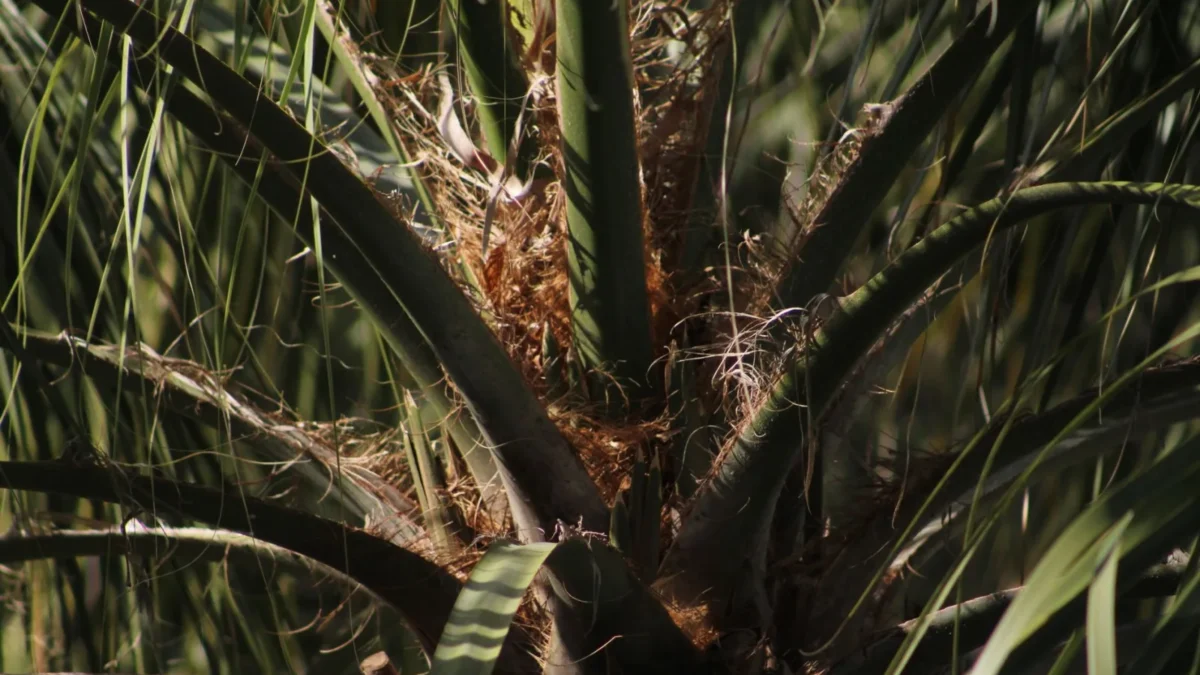
Quick answer: Brown leaves and tips on your ponytail palm usually come from overwatering (the most common problem), low humidity, overfertilizing, or scorching from direct sun. Each has a different fix—check the table below to identify which applies to your plant.
| Botanical name | Beaucarnea recurvata |
|---|---|
| Light | bright indirect light; tolerates direct sun; adapts to medium light; avoid low light long-term |
| Watering | water when top 2-3 in of soil completely dry; every 2-4 weeks spring/summer; every 6-10 weeks fall/winter |
| Humidity | thrives in dry conditions; average house humidity suitable; mist if leaf tips brown |
| Temperature | 60-80°F preferred; tolerates brief periods down to 50°F; winter rest 60-65°F |
| Soil | well-draining cactus/succulent mix; potting soil with sand, perlite, or pumice |
| Feeding | balanced water-soluble fertilizer at half strength once every 4-6 weeks spring/summer only |
| Size | 3 feet tall typical indoors; can reach 5 feet with optimal light and care |
| Difficulty | easy |
| Cats | ✓ non-toxic |
| Dogs | ✓ non-toxic |
| What you see | Likely cause | What to do |
|---|---|---|
| Yellowing leaves, mushy stem, wet soil | Overwatering or root rot | Let soil dry fully for 6–10 weeks; repot in fresh cactus mix if stem is soft |
| Brown leaf tips only, otherwise healthy | Low humidity or dry air | Mist the leaves occasionally; average house humidity usually works |
| Brown tips and edges, white crust on soil | Overfertilizing | Stop fertilizing; water deeply to flush excess; resume only once every 4–6 weeks in spring/summer |
| Brown or scorched patches, faded leaves | Direct sun through glass | Move 2–3 feet back from south/west-facing windows |
| Crispy, dry leaves and potting mix | Underwatering | Water thoroughly when top 2–3 inches of soil are bone-dry |
Overwatering is the biggest threat
Overwatering is the #1 cause of death in ponytail palms. These are desert plants that store water in their swollen trunk base; they need soil to dry out completely between waterings. In spring and summer, that typically means watering every 2–4 weeks. In fall and winter, stretch it to every 6–10 weeks. Always check the soil first—never water on a schedule.
If leaves are yellowing and the stem feels soft, root rot has likely started. Repot into fresh, well-draining cactus or succulent mix immediately. After watering, empty any saucer under the pot within 10 minutes so the base never sits in water.
Low humidity and overfertilizing cause brown tips
Brown tips alone are usually harmless. They’re often a reaction to dry air. Your ponytail palm actually thrives in dry conditions, but if leaf tips brown, misting can help.
Brown tips can also signal overfertilizing. If you feed more than twice a year, your plant may develop brown tips on the leaves. Use a balanced, water-soluble fertilizer at half strength once every 4–6 weeks during spring and summer only. Once brown tips appear, trim them off with clean scissors.
Sun scorching and light placement
Direct sun through window glass can scorch the foliage. If you see brown or bleached patches, move the plant 2–3 feet back from a bright south- or west-facing window. Ponytail palms love bright indirect light and will thrive there. In darker months, move the plant closer to a window with more light.
Prevention
The simplest way to keep leaves healthy is to let soil dry between waterings and never fertilize more than twice yearly. Use a well-draining cactus mix, keep the plant in bright indirect light, and maintain temperatures between 60–80°F. Your ponytail palm is easy to care for as long as overwatering is avoided.
Read the full guide: Ponytail Palm Care: The Complete Guide to Growing This Unique Houseplant
More about Ponytail Palm
The same problem in other plants
- Why Are My Haworthia Leaves Turning Brown?
- Why Are My Bromeliad Leaves Turning Brown?
- Why Are My Anthurium Leaves Turning Brown at the Tips?
- Why Are My Areca Palm Leaves Turning Brown and Drying Up?