Ponytail Palm Beaucarnea recurvata
Ponytail Palm Light Requirements: How Much Light Does It Need?
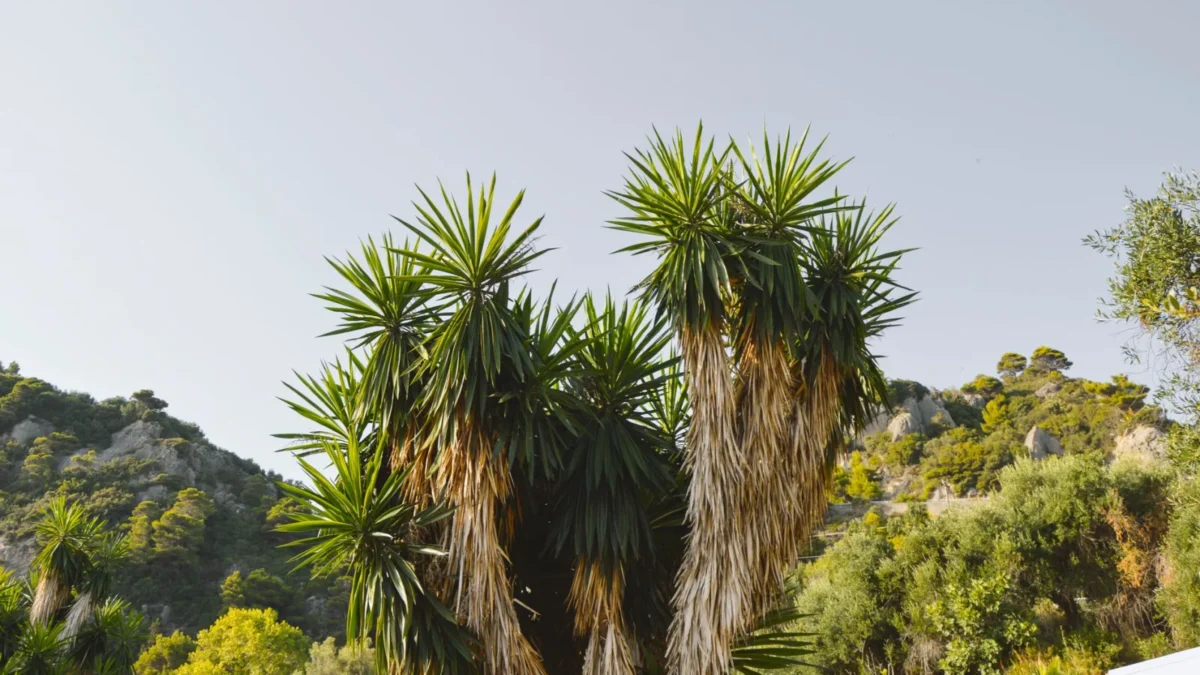
Quick answer: Ponytail palm needs bright, indirect light to stay healthy and grow at a good pace. It thrives in a south- or west-facing window but adapts well to east-facing windows and even tolerates medium light, though growth will slow in dimmer spots. Avoid low light over the long term, as it leads to pale, weak leaves.
| Botanical name | Beaucarnea recurvata |
|---|---|
| Light | bright indirect light; tolerates direct sun; adapts to medium light; avoid low light long-term |
| Watering | water when top 2-3 in of soil completely dry; every 2-4 weeks spring/summer; every 6-10 weeks fall/winter |
| Humidity | thrives in dry conditions; average house humidity suitable; mist if leaf tips brown |
| Temperature | 60-80°F preferred; tolerates brief periods down to 50°F; winter rest 60-65°F |
| Soil | well-draining cactus/succulent mix; potting soil with sand, perlite, or pumice |
| Feeding | balanced water-soluble fertilizer at half strength once every 4-6 weeks spring/summer only |
| Size | 3 feet tall typical indoors; can reach 5 feet with optimal light and care |
| Difficulty | easy |
| Cats | ✓ non-toxic |
| Dogs | ✓ non-toxic |
Ideal Light Conditions
Your ponytail palm is happiest with strong light exposure. In practice, this means placing it near a south- or west-facing window where it gets plenty of daylight. An east-facing window works well too, and you can position the plant within a foot of the glass for maximum brightness.
The good news is that ponytail palms love light. Bright indirect light through full sun all suit it, so almost any window works. More light keeps the plant compact and the foliage lush. If you only have a north-facing window, ponytail palm will still survive, but consider a full-spectrum grow light to boost growth.
If your home has limited natural light, you can place the plant 3 feet from a large, unobstructed south- or west-facing window, or within a foot of an east-facing window for best results.
Seasonal Light Adjustments
During the darker winter months, you may need to move your ponytail palm closer to a window with stronger light. Winter daylight is shorter and weaker, especially if you live far from the equator, so repositioning it temporarily helps prevent slow growth and leaf paleness during this period.
What Happens When Light Is Too Low or Too High
Insufficent light causes predictable signs: slow growth, pale or yellowing leaves, and elongated, weak growth (etiolation). High light levels are required to get ponytail palms to grow faster—they’ll tolerate moderate light, but growth will be slower and the plant may look lanky. Over the long haul, low light does not work well for this species.
Excessive direct light can scorch the foliage. If you notice scorched or brown leaf tips, faded or bleached appearance, or curling leaves, move the plant back a few feet from the window or filter the light with a sheer curtain.
Read the full guide: Ponytail Palm Care: The Complete Guide to Growing This Unique Houseplant
More about Ponytail Palm
The same problem in other plants
- Nerve Plant Light Requirements: Where to Place It
- Lucky Bamboo Light Requirements: How Much Light Does It Need?
- How Much Light Does a Bird's Nest Fern Need?
- String of Pearls Light Requirements: How Much Does It Need?
Sources
- Ponytail Palm (Beaucarnea recurvata) Care Guide 🌟 – Healthy Houseplants
- Ponytail Palm Care Indoors – Healthy Houseplants
- Ponytail Palm Care & Growing Tips (Easy Care Guide)
Photo: Gergely Meszárcsek / Pexels, Pexels