Tradescantia Zebrina Tradescantia zebrina
Tradescantia Zebrina Care: The Complete Guide
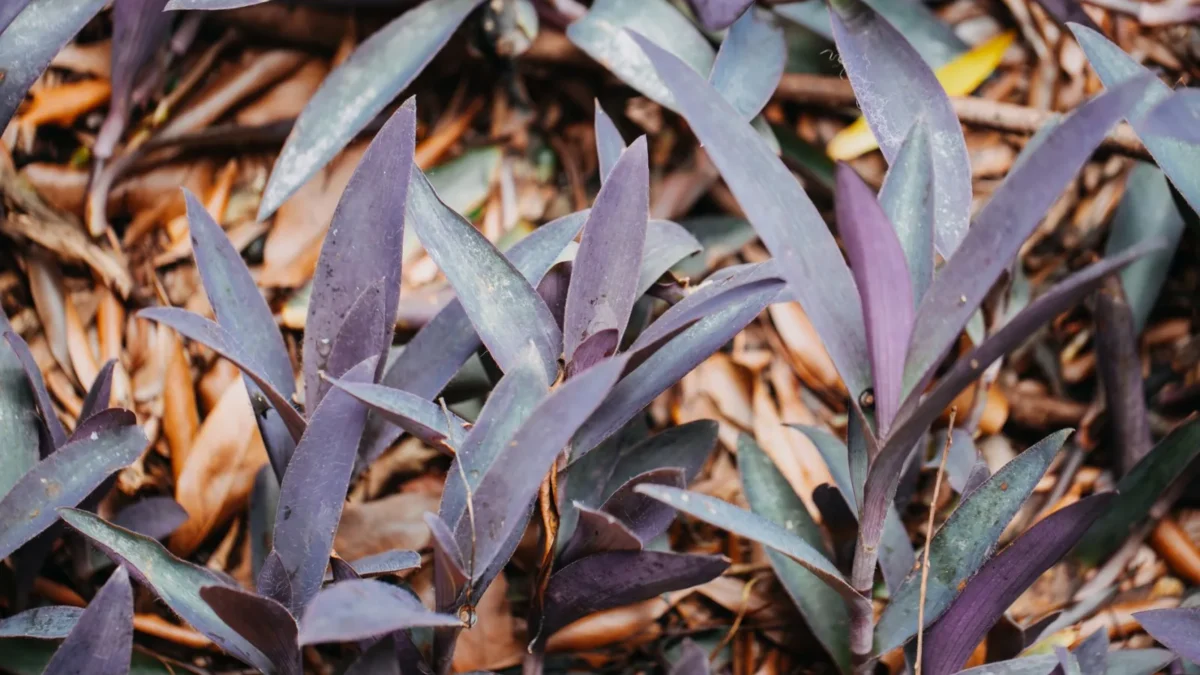
Tradescantia zebrina care is straightforward—this easy-to-grow houseplant thrives with bright indirect light, consistent moisture during growth, and warm temperatures between 60–85°F. Once you understand its light and watering preferences, you’ll have a vibrant plant that spreads beautifully in hanging baskets or across shelves. This guide covers everything you need to keep your Tradescantia zebrina healthy and colorful, from daily care to fixing common problems.
Tradescantia Zebrina at a glance
| Botanical name | Tradescantia zebrina |
|---|---|
| Light | Bright indirect light; tolerates filtered sun and shade; direct sun may scorch leaves |
| Watering | Water when top inch of soil is dry; keep consistently moist during growing season; reduce watering fall to late winter |
| Humidity | 40–60% relative humidity |
| Temperature | 60–85°F; avoid below 50°F |
| Soil | Peaty, soil-based potting mix; equal parts peat moss, perlite, potting soil; well-draining, slightly acidic to neutral p |
| Feeding | Monthly diluted half-strength liquid fertilizer during spring and summer growing season |
| Size | 6–9 inches tall; spreads 2–3 feet or wider in hanging baskets |
| Difficulty | easy |
| Cats | ⚠️ toxic — Skin irritation and contact dermatitis from sap; mild GI upset if ingested |
| Dogs | ⚠️ toxic — Skin irritation and contact dermatitis from sap; mild GI upset if ingested |
Key points
– Place in bright indirect light; avoid direct sun which scorches leaves
– Water when the top inch of soil dries; reduce watering in fall and winter
– Keep humidity between 40–60% and temperatures above 50°F
– Use well-draining, peaty soil with equal parts peat moss, perlite, and potting soil
– Feed monthly with half-strength liquid fertilizer during spring and summer
– Toxic to cats and dogs; wear gloves when handling to avoid skin irritation
Light Requirements for Tradescantia Zebrina
Your Tradescantia zebrina will perform best in bright indirect light. The plant also tolerates filtered sun and grows in shade, making it flexible for various room conditions. However, direct sunshine may scorch the leaves, turning them papery and crispy. If you notice your plant’s vibrant purple color fading, it’s likely not receiving enough light. In low-light conditions, stems become leggy and the distinctive striping loses its intensity.
For indoor growing, position your plant near an east or north-facing window where it receives gentle, filtered light throughout the day. If your home gets strong afternoon sun, a sheer curtain can provide protection while maintaining brightness.
Watering Your Tradescantia Zebrina
Consistent moisture is key during the growing season. Water when the top inch of soil is dry to the touch, then soak the pot thoroughly and allow excess to drain. Under-watering causes crispy or curling leaves, a grey washed-out appearance, yellowing leaves, and lack of new growth.
During fall and winter, reduce your watering frequency. Allow the soil to dry slightly between waterings rather than keeping it constantly moist. This seasonal shift prevents root rot during the plant’s dormant period.
Overwatering is a more common problem than underwatering. Root rot and stem rot may occur if soils are kept too moist, with yellowing leaves, stunted growth, and a foul odor as key signs. Well-draining soil and proper pot drainage are your best defenses. If you suspect root rot, check the roots and repot in fresh, well-draining soil, removing any affected tissue.
Humidity and Temperature Needs
Tradescantia zebrina performs best at 40–60% relative humidity. In particularly dry homes, especially during winter, you may notice leaf tips browning. Brown tips typically point to low humidity, over-fertilization, or fluoride sensitivity from tap water, so switch to filtered water and ensure humidity stays within the 40–60% range.
The ideal temperature range is between 60 and 85 degrees Fahrenheit. The plant is not cold or frost tolerant and will begin to suffer below 50 degrees Fahrenheit, so avoid placing it near cold drafts, air conditioning vents, or unheated windows in winter. Sudden temperature fluctuations can also cause stress and leaf drop.
To increase humidity naturally, group plants together, mist leaves occasionally, or place the pot on a pebble tray with water. These simple methods create a more tropical microclimate.
Soil and Repotting Guide
Use a peaty, soil-based potting mix. The plant thrives in well-draining, fertile soil with a slightly acidic to neutral pH range of 6.0 to 7.0, with a good potting mix consisting of equal parts peat moss, perlite, and regular potting soil.
Repot every 1–2 years or when rootbound to refresh the soil and encourage vigorous growth. When repotting, choose a container only slightly larger than the current one—oversized pots retain excess moisture and increase root rot risk. Spring is the best time to repot, before the main growing season.
If you notice brown leaves at the base of your Tradescantia’s stem and the new growth looks healthy, it’s usually just old leaves dying off naturally; this is a normal process. However, brown leaves at the base can also signal that stems have become too long. Tradescantias are naturally creeping plants that root wherever they touch the ground and are not adapted to having long stems attached to the soil at only one point, which can cause the stems to become weak, break easily, and the leaves near the base to die. Regular pruning prevents this problem.
Feeding and Fertilizer
Feed your Tradescantia zebrina monthly with a diluted half-strength liquid fertilizer during spring and summer, the plant’s growth period. Do not feed during fall and winter when growth naturally slows. Over-fertilization can contribute to brown leaf tips, so stick to half-strength rather than full-strength solutions.
Pruning and Maintenance
Pinch stems as needed to encourage dense foliage growth. All tradescantias tend to lose their lower leaves with age and should be propagated regularly. This keeps plants looking full and vibrant rather than leggy and sparse.
When pruning, use sharp scissors or pruning shears wiped with rubbing alcohol or washed with soap and hot water. Dull tools crush stem tissue and invite rot at the wound, slowing recovery.
Propagation Methods
The best time to propagate Tradescantia zebrina is during its active growing seasons—spring and summer; during these months, the plant is more likely to root quickly and thrive.
Water propagation
- Use a scissor or pruner to make a clean cut just below a leaf node; each cutting should be approximately 3 to 6 inches long and have a few leaves still attached.
- Remove the leaves from the lower two-thirds of the cutting to create space for new leaves and roots to grow.
- Place the prepared stem in a small container filled with water, ensuring the node is submerged.
- Place the container in a bright, indirect light location; change the water every few days to keep it fresh.
- In 1–2 weeks, roots will start to form; once they reach 3 to 4 inches, transplant the cutting into pots.
Soil propagation
- Prepare cuttings as above: 3-inch tip cuttings with lower leaves removed.
- Insert 4 to 6 cuttings in a 3-inch pot containing well-drained potting mixture; keep the pot in a warm place in bright filtered light, watering just enough to keep the rooting mixture barely moist.
- Roots will develop in about two weeks.
Without at least one node submerged in water or buried in soil, a cutting may stay green for a while but will not produce a self-sustaining plant; a single leaf with a petiole but no stem node will not work.
Common Problems and Solutions
Scorched leaves
Direct sunshine may scorch tender leaf and stem tissues, causing them to blister, brown, and become crispy. Move the plant further from a sunny window or use a sheer curtain to filter harsh afternoon rays.
Brown leaf tips
Brown tips typically point to low humidity, over-fertilization, or fluoride sensitivity from tap water. Switch to filtered water, maintain humidity between 40–60%, and reduce fertilizer frequency.
Underwatering symptoms
Crispy or curling leaves, a grey washed-out appearance, yellowing leaves, and lack of new growth indicate the soil has dried out too much. Increase watering frequency and ensure the plant isn’t in a location that dries soil too quickly.
Root rot and stem rot
Root rot and stem rot may occur if soils are kept too moist. Yellowing leaves, stunted growth, and a foul odor are typical symptoms. Check the roots for rot, and if present, remove the affected roots and repot the plant in fresh, well-draining soil.
Weak, overwatered stems
With overwatering, Tradescantia problems present as yellowing leaves, languid weak stems, and an overall lack of vigor; excess moisture may be due to the soil media’s lack of drainage or a pot that’s too large. Ensure the pot has drainage holes and use well-draining soil.
Pest infestations
Watch for aphids, mealybugs, scale, whiteflies, and spider mites. Inspect new plants before bringing them home and isolate infested plants. Treat with neem oil or insecticidal soap following product directions.
Leggy growth
Weak light causes long, bare stems with widely spaced leaves. Move your plant closer to a window or increase ambient light. Regular pinching and propagation also help maintain a fuller shape.
Is Tradescantia Zebrina Toxic to Pets?
Can I keep Tradescantia zebrina if I have cats or dogs?
No, this plant is toxic to both cats and dogs. Contact with plant sap may cause skin irritations. Handling the leaves or sap can cause contact dermatitis, leaving skin irritation, redness, and itching in both humans and dogs/cats. The RHS notes that Tradescantia species are potentially harmful as skin allergens, and you should wear gloves and other protective equipment when handling. If you have pets, place the plant out of reach on a high shelf or consider a non-toxic alternative.
What happens if my pet eats Tradescantia zebrina?
The consumption of any plant material may cause vomiting and gastrointestinal upset for dogs and cats; plants listed as either non-toxic, or potentially toxic with mild GI upset as their symptoms are not expected to be life-threatening to your pets. However, contact your veterinarian if your pet ingests the plant and shows concerning symptoms.
How do I protect myself and my pets?
Wear gloves when handling Tradescantia zebrina to avoid skin irritation. Wash your hands afterward, and keep the plant in a location where children and pets cannot reach it. The sap is the primary irritant, so preventing contact is your best defense.
Should I remove this plant from my home if I have pets?
While the toxicity is mild and unlikely to be life-threatening, it’s safer to remove the plant or keep it completely inaccessible. Many pet owners choose non-toxic alternatives like spider plants or Boston ferns instead. If you do keep Tradescantia zebrina, place it in a hanging basket well out of pet reach.
How is Tradescantia zebrina toxic?
Tradescantia species are toxic due to skin allergens and compounds in the sap that cause contact dermatitis. The toxin affects both humans and pets similarly, causing redness, itching, and irritation on contact. Ingestion causes mild gastrointestinal upset in animals.
More about Tradescantia Zebrina
Sources
- Tradescantia zebrina – Plant Finder
- Tradescantia Zebrina Care: Grow Stunning Purple Leaves Fast
- Tradescantia Care Guide: Zebrina Light, Watering & Soil – Houseplants Nook
Photo: Matheus Bertelli / Pexels, Pexels