Tradescantia Zebrina Tradescantia zebrina
Why Is My Tradescantia Zebrina Dying? How to Save It
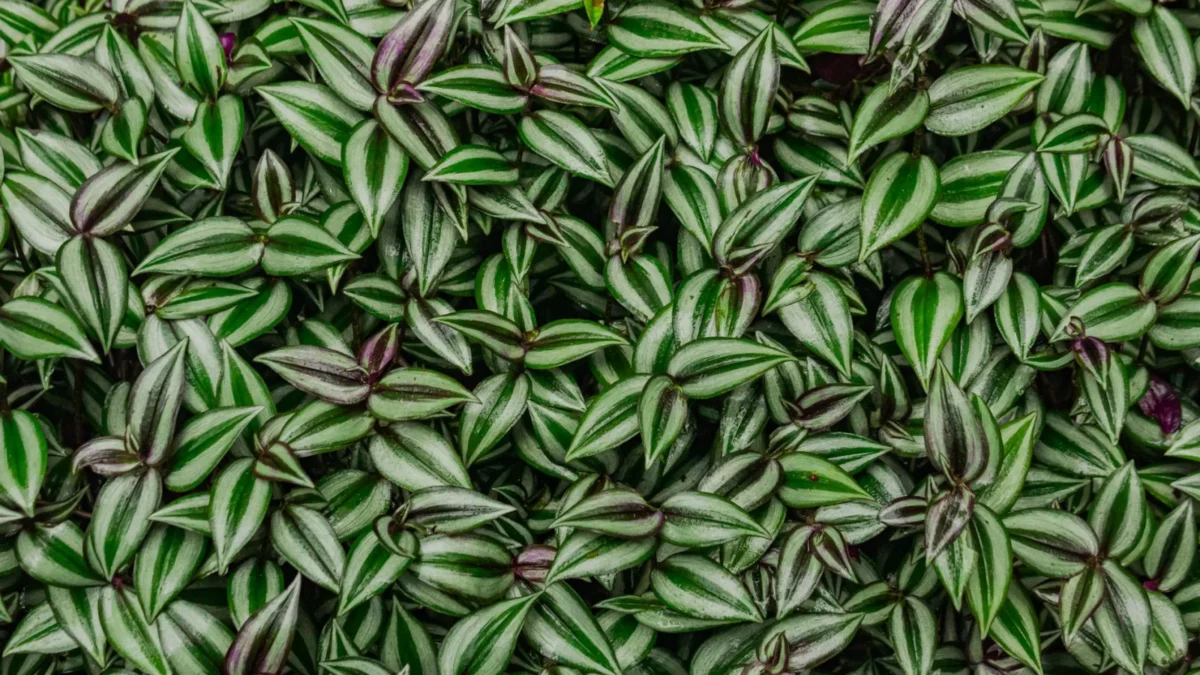
Quick answer: If your Tradescantia zebrina is dying, the most common culprits are overwatering and poor drainage leading to root rot, or insufficient light causing weak growth and leaf loss. Check the soil moisture, inspect the roots, and adjust light and watering immediately to revive it.
Tradescantia Zebrina at a glance
| Botanical name | Tradescantia zebrina |
|---|---|
| Light | Bright indirect light; tolerates filtered sun and shade; direct sun may scorch leaves |
| Watering | Water when top inch of soil is dry; keep consistently moist during growing season; reduce watering fall to late winter |
| Humidity | 40–60% relative humidity |
| Temperature | 60–85°F; avoid below 50°F |
| Soil | Peaty, soil-based potting mix; equal parts peat moss, perlite, potting soil; well-draining, slightly acidic to neutral p |
| Feeding | Monthly diluted half-strength liquid fertilizer during spring and summer growing season |
| Size | 6–9 inches tall; spreads 2–3 feet or wider in hanging baskets |
| Difficulty | easy |
| Cats | ⚠️ toxic — Skin irritation and contact dermatitis from sap; mild GI upset if ingested |
| Dogs | ⚠️ toxic — Skin irritation and contact dermatitis from sap; mild GI upset if ingested |
Check for root rot and overwatering
Root rot is the leading killer of this plant. When the soil stays too wet, roots suffocate and decay.
Look for these signs:
– Yellowing leaves that appear rapidly
– Stunted growth and stem collapse
– A foul smell from the soil or roots
– Soft, mushy roots when you gently remove the plant from its pot
What to do: Remove the plant from its pot and inspect the roots. If roots are brown, mushy, or smell bad, trim away the affected sections with clean scissors. Repot the plant in fresh, well-draining soil—use equal parts peat moss, perlite, and regular potting soil. Let the pot drain completely after watering.
Fix your watering routine
Overwatering is usually the problem, especially in winter. Water only when the top inch of soil is dry to the touch. Soak the pot thoroughly until water runs out the bottom, then let it drain completely.
During spring and summer (growing season), keep the soil consistently moist but not soggy. In fall and winter, reduce watering frequency and allow the soil to dry out more between waterings. If you notice limp stems, yellowing, or withered leaves, you’re likely watering too much or too little—adjust and give the plant a week to respond.
Improve light conditions
Your Tradescantia zebrina needs bright indirect light to thrive. Without enough light, stems become weak and spindly, new leaves space far apart, and lower leaves die off as the plant struggles.
If leaves look washed out, faded, crispy, or blistered, you’re giving too much direct sun. Move the plant to a spot with filtered sunlight or bright shade.
Address humidity and temperature
Brown leaf tips often signal low humidity, over-fertilization, or sensitivity to tap water minerals. If you see browning tips, switch to filtered water and aim for 40–60% relative humidity. Mist the plant occasionally or place it on a pebble tray filled with water.
Keep temperatures between 60–85°F. Avoid cold drafts and temperatures below 50°F, which will stress and damage the plant.
When brown leaves at the base are normal
If only the lowest leaves are browning but new growth looks healthy, this is natural aging. Tradescantias naturally lose their lower leaves with age. However, if stems have grown very long with few leaves near the soil, they may be weak and breaking down. Propagate fresh cuttings to rejuvenate: take 3–6 inch cuttings with several leaves attached, remove leaves from the lower two-thirds, and place in water. Roots appear in 1–2 weeks; transplant once they reach 3–4 inches.
FAQ
What soil does Tradescantia zebrina need?
Use a peaty, soil-based potting mix with equal parts peat moss, perlite, and potting soil for best drainage and growth.
How often should I fertilize?
Feed monthly with diluted half-strength liquid fertilizer during spring and summer only. Skip feeding in fall and winter when growth slows.
Is my Tradescantia zebrina toxic to pets?
Yes, it is toxic to cats and dogs. Contact with the sap causes skin irritation and contact dermatitis, and ingestion causes mild gastrointestinal upset. Wear gloves when handling and keep it out of reach of pets.
Read the full guide: Tradescantia Zebrina Care: The Complete Guide
More about Tradescantia Zebrina
Sources
- Tradescantia zebrina – Plant Finder
- Tradescantia Zebrina Care: Grow Stunning Purple Leaves Fast
- What's Happening to My Tradescantia? Yellow Leaves, Brown Spots, and Other Problems
Photo: Nothing Ahead / Pexels, Pexels