Tradescantia Zebrina Tradescantia zebrina
Why Are My Tradescantia Zebrina Leaves Turning Brown?
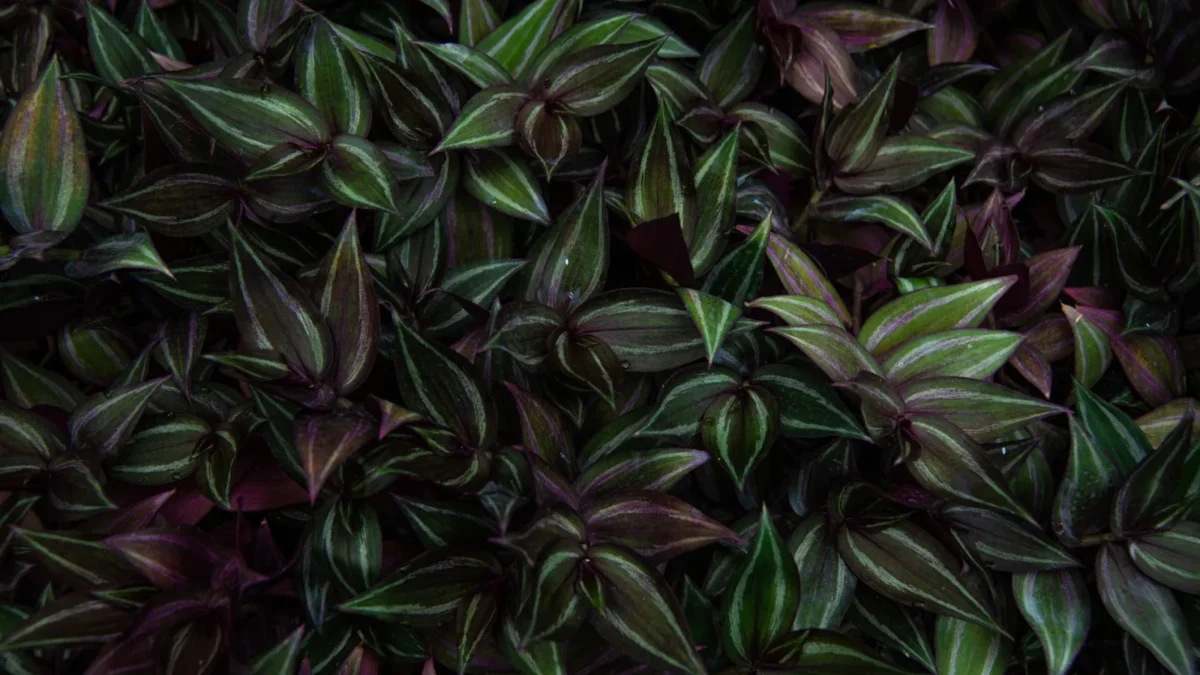
Quick answer: Brown leaves on your Tradescantia zebrina usually come from direct sunlight scorching the leaves, underwatering, low humidity, or root rot from overwatering. Identify which problem your plant has by checking the soil moisture, location, and the pattern of browning, then adjust watering, light, or humidity accordingly.
Tradescantia Zebrina at a glance
| Botanical name | Tradescantia zebrina |
|---|---|
| Light | Bright indirect light; tolerates filtered sun and shade; direct sun may scorch leaves |
| Watering | Water when top inch of soil is dry; keep consistently moist during growing season; reduce watering fall to late winter |
| Humidity | 40–60% relative humidity |
| Temperature | 60–85°F; avoid below 50°F |
| Soil | Peaty, soil-based potting mix; equal parts peat moss, perlite, potting soil; well-draining, slightly acidic to neutral p |
| Feeding | Monthly diluted half-strength liquid fertilizer during spring and summer growing season |
| Size | 6–9 inches tall; spreads 2–3 feet or wider in hanging baskets |
| Difficulty | easy |
| Cats | ⚠️ toxic — Skin irritation and contact dermatitis from sap; mild GI upset if ingested |
| Dogs | ⚠️ toxic — Skin irritation and contact dermatitis from sap; mild GI upset if ingested |
| What you see | Likely cause | What to do |
|---|---|---|
| Leaves blistered, crispy, brown patches; leaves fade | Direct sun scorching | Move to bright indirect light or filtered sun with afternoon protection |
| Brown leaf tips; dry, curling edges | Low humidity or fluoride in water | Increase humidity to 40–60%; use filtered water; mist regularly |
| Crispy, curling leaves; grey, washed-out look | Underwatering | Water when top inch of soil is dry; keep soil consistently moist during growing season |
| Yellowing leaves, weak stems, mushy roots, foul smell | Root rot from overwatering | Remove plant from pot, trim rotted roots, repot in fresh well-draining soil |
| Brown leaves at stem base; new growth healthy | Natural leaf shedding or long stems | Normal aging; consider propagating to refresh the plant |
Direct sunlight scorches leaves
The most dramatic browning comes from direct sun. Leaves blister, brown, and become crispy when exposed to too much direct sunlight. Your Tradescantia zebrina thrives in filtered sun and will grow in direct sun with some afternoon protection, but needs shade during the strongest rays. Move it to a spot with bright indirect light—near a window but not in the beam—or provide filtered sun in the afternoon.
Brown tips and edges signal humidity or water quality
Brown leaf tips often point to low humidity, over-fertilization, or sensitivity to fluoride in tap water. Keep your plant in an environment with 40–60% relative humidity. If your home is particularly dry, especially in winter, mist the leaves regularly or place the pot on a tray with pebbles and water (keeping the pot above the waterline). Switch to filtered or distilled water if you’re using tap water.
Underwatering causes crispy, curling leaves
Under-watering shows up as crispy or curling leaves, a grey washed-out appearance, and yellowing. Water when the upper inch of the potting mix has dried, then soak the pot thoroughly and allow excess to drain. Keep the soil consistently moist during the growing season, then reduce watering from fall to late winter. The key is checking the soil before watering rather than watering on a fixed schedule—conditions vary by season and location.
Root rot from overwatering turns stems mushy
Root rot occurs if soil stays too moist. Watch for yellowing leaves, stunted growth, and a foul odor. Check the roots for rot; if present, remove affected roots and repot the plant in fresh, well-draining soil. Use a good potting mix of equal parts peat moss, perlite, and regular potting soil to ensure it drains properly. Ensure your pot has drainage holes and never let the plant sit in standing water.
Brown leaves at the base—when it’s normal
If you see brown leaves only at the base of the stem and new growth looks healthy, this is just old leaves dying off naturally and nothing to worry about. However, if the stems have become very long, the base may weaken because Tradescantias are creeping plants not designed to support long stems attached at only one point. In this case, all tradescantias tend to lose their lower leaves with age and should be propagated regularly to refresh the plant.
Prevent browning with the right conditions
Keep your plant in bright indirect light and avoid direct sun. Maintain temperatures between 60 and 85°F and never expose it to below 50°F. Water consistently without letting soil dry out completely, but ensure drainage is excellent. Maintain humidity at 40–60%. During fall to late winter, reduce watering as the plant grows more slowly. By matching these conditions, brown leaves become rare and your Tradescantia zebrina will stay vibrant.
Read the full guide: Tradescantia Zebrina Care: The Complete Guide
More about Tradescantia Zebrina
The same problem in other plants
- Why Are My Aluminum Plant Leaves Turning Brown or Black?
- Why Are My Corn Plant Leaves Turning Brown at the Tips?
- Why Is My Air Plant Turning Brown?
- Why Are My Haworthia Leaves Turning Brown?
Sources
- Tradescantia zebrina – Plant Finder
- Tradescantia Zebrina Care: Grow Stunning Purple Leaves Fast
- What's Happening to My Tradescantia? Yellow Leaves, Brown Spots, and Other Problems
Photo: Александр Лич / Pexels, Pexels