Tradescantia Zebrina Tradescantia zebrina
How Often Should You Water Tradescantia Zebrina
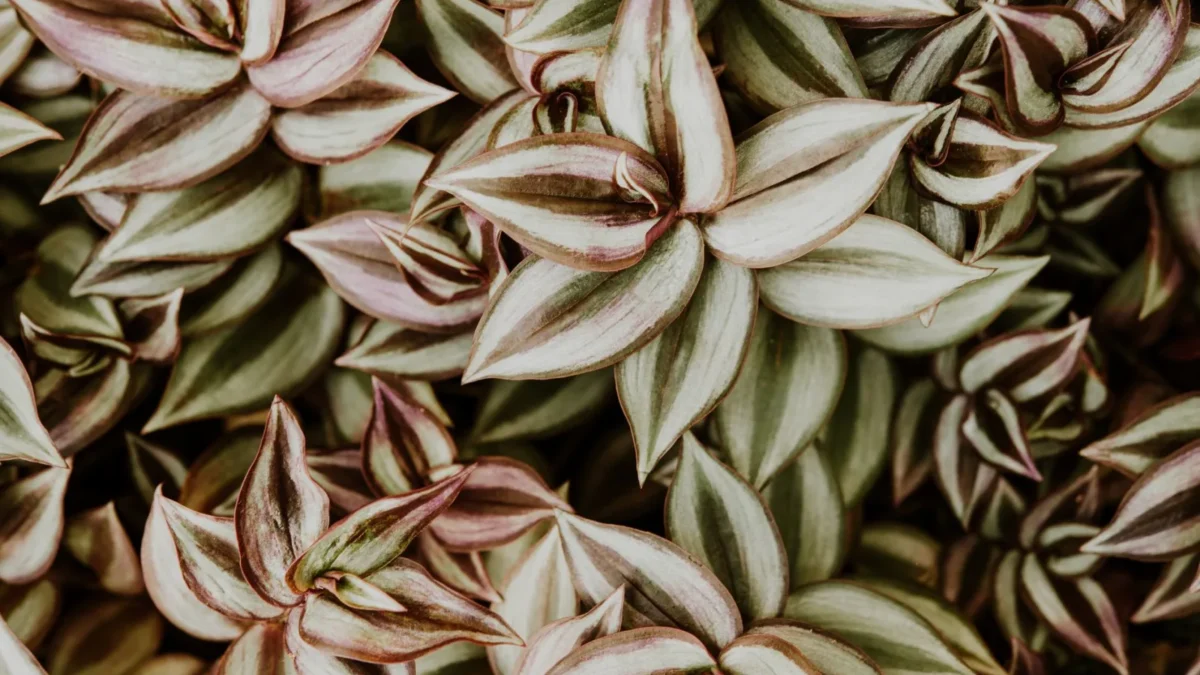
Quick answer: Water your Tradescantia zebrina when the top inch of soil feels dry to the touch, which typically means watering about once a week, though this varies with light, temperature, and humidity. During the growing season in spring and summer, keep the soil consistently moist but never waterlogged; in fall and winter, reduce watering and let the soil dry slightly between waterings.
Tradescantia Zebrina at a glance
| Botanical name | Tradescantia zebrina |
|---|---|
| Light | Bright indirect light; tolerates filtered sun and shade; direct sun may scorch leaves |
| Watering | Water when top inch of soil is dry; keep consistently moist during growing season; reduce watering fall to late winter |
| Humidity | 40–60% relative humidity |
| Temperature | 60–85°F; avoid below 50°F |
| Soil | Peaty, soil-based potting mix; equal parts peat moss, perlite, potting soil; well-draining, slightly acidic to neutral p |
| Feeding | Monthly diluted half-strength liquid fertilizer during spring and summer growing season |
| Size | 6–9 inches tall; spreads 2–3 feet or wider in hanging baskets |
| Difficulty | easy |
| Cats | ⚠️ toxic — Skin irritation and contact dermatitis from sap; mild GI upset if ingested |
| Dogs | ⚠️ toxic — Skin irritation and contact dermatitis from sap; mild GI upset if ingested |
The Basic Watering Schedule for Tradescantia Zebrina
The key to watering Tradescantia zebrina correctly is checking your soil before you water. Stick your finger into the top inch of the potting mix—if it feels dry, it’s time to water. When you do water, soak the pot thoroughly so water runs through the drainage holes, then let any excess drain away. This method prevents the common mistake of applying a little water too frequently, which leads to soggy roots.
During spring and summer when your plant is actively growing, keep the potting mix consistently moist throughout this period. This means you may need to water weekly or even more often if your home is warm and dry. In fall and late winter, the plant slows its growth and needs less water; allow the soil to dry out a bit more between waterings.
Environmental conditions like light intensity, room temperature, and air humidity all affect how quickly soil dries out. A plant in a warm, bright spot will need more frequent watering than one in a cooler room or lower light. The soil itself matters too—use a well-draining mix of equal parts peat moss, perlite, and potting soil to prevent water from sitting around the roots.
Signs You’re Watering Too Much or Too Little
Overwatering is the most common problem with Tradescantia zebrina. When the soil stays too wet, roots become waterlogged and can rot. Early signs of overwatering include yellowing leaves, soft or weak stems, and an overall lack of vigor. If root rot has already started, you’ll notice rapidly yellowing leaves, stunted growth, and a foul smell from the pot. If this happens, remove the plant from its pot, trim away any blackened or mushy roots, and repot it in fresh, well-draining soil.
Underwatering shows different symptoms. When your Tradescantia zebrina doesn’t get enough water, the leaves become crispy and curl, the plant looks pale and washed out, leaves turn yellow, and new growth slows dramatically. The leaves may also brown and drop. If this is happening, gradually rehydrate the plant over a few days rather than flooding it suddenly.
FAQ
How much water should I use each time?
Water thoroughly until it drains from the bottom of the pot, then discard the excess water. Don’t use a tiny amount; the whole root ball needs to be moistened. The amount depends on your pot size and soil type, but the goal is always to flush water through the entire soil mass.
Read the full guide: Tradescantia Zebrina Care: The Complete Guide
More about Tradescantia Zebrina
The same problem in other plants
- How Often Should You Water Watermelon Peperomia?
- How Often Should You Water Burro's Tail?
- How Often to Water Bunny Ears Cactus
- How Often Should You Water a Weeping Fig?
Sources
- Tradescantia zebrina – Plant Finder
- 7 Tradescantia Zebrina (Wandering Dude) Problems to Watch For
- Tradescantia Care Guide: Zebrina Light, Watering & Soil – Houseplants Nook
Photo: Júlio Riccó / Pexels, Pexels