Bromeliad Guzmania
Why Are My Bromeliad Leaves Turning Brown?
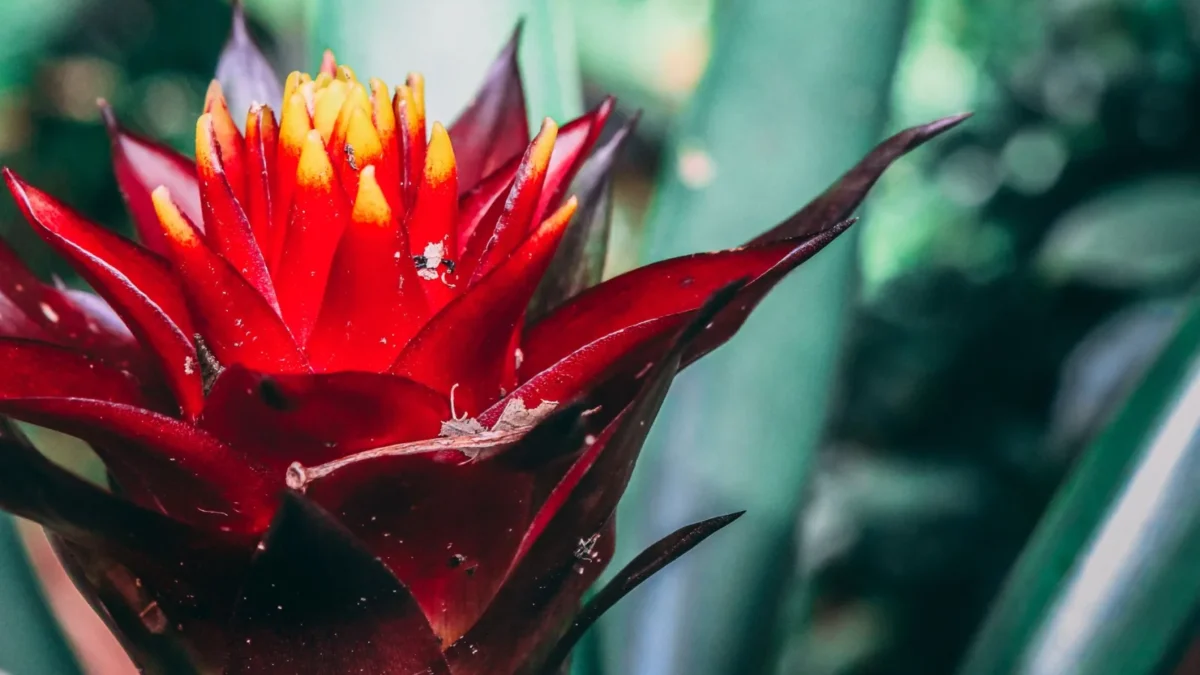
Quick answer: Bromeliad leaves turning brown usually come from underwatering the soil, low humidity, tap water minerals, cold temperatures, or natural decline after flowering. Identify which cause matches your plant’s symptoms, then adjust watering, humidity, water type, or warmth accordingly.
| Botanical name | Guzmania |
|---|---|
| Light | Bright, indirect light; tolerates low light and artificial light |
| Watering | Keep central cup filled ¼ to ½ way; water soil when top dries; empty/refill cup monthly |
| Humidity | High humidity; mist regularly; use pebble tray or humidifier |
| Temperature | Summer 21°C (70°F); cooler 12°C (55°F) when buds form; minimum 10°C (50°F) winter |
| Soil | Peat-free, loam-free, free-draining mix of fine bark, perlite, coir fibre |
| Feeding | Half-strength diluted fertilizer or less |
| Size | 1.00 to 2.00 feet height and spread |
| Difficulty | easy |
| What you see | Likely cause | What to do |
|---|---|---|
| Crispy, dry leaf tips and edges | Low humidity | Mist daily with rainwater and use a pebble tray or humidifier |
| Brown spots on leaves, dotted pattern | Tap water chemicals (chlorine, fluoride) | Switch to rainwater or let tap water sit 1–2 days before using |
| Lower leaves mushy and brown | Soil too wet | Let soil dry out between waterings; ensure peat-free, free-draining mix |
| Leaves brown after flower fades | Natural end of life cycle | This is normal; remove dead leaves and propagate pups |
| Brown leaves in winter or cold spots | Cold temperatures | Move plant away from drafts and cold windows; maintain minimum 10°C (50°F) |
| Pale or bleached-brown leaves in bright sun | Excessive direct light | Move to bright, indirect light position |
Watering mistakes and soil dryness
Dry, crispy brown leaves often signal underwatering. The trick is finding the balance: let the soil dry out almost completely between waterings, but avoid leaving it dry for prolonged periods. If roots have already died back from extended dryness, the plant struggles to absorb moisture.
Use a pot with proper drainage and a peat-free, loam-free, free-draining mix of fine bark, perlite, and coir fibre. In summer, water the soil when the top dries; in winter, water more sparingly.
The central cup is separate from soil watering. Keep the cup at the center ¼ to ½ way full at all times, and every few weeks, empty it, rinse, and refill with fresh water to prevent mineral buildup.
Low humidity and tap water chemicals
Bromeliads thrive in humid air, and if the air is too dry, browning of leaf tips or edges follows. Raise humidity by standing the pot on a saucer of damp gravel or clay pellets and misting leaves regularly with soft water.
Another common cause is tap water itself. Tap water contains chlorine and fluoride that leave brown spots on leaves. Use rainwater or let tap water sit for a day or two to remove these chemicals. Filtered, rain, or distilled water is preferred, especially for filling the central cup.
Cold temperatures and natural fading
Cold temperatures contribute to leaves turning brown and dying. Bromeliads need a minimum of 10°C (50°F) in winter and around 21°C (70°F) in summer. Keep the plant away from drafts and cold windowsills.
Browning also occurs naturally after flowering. When bracts and leaves start turning brown, your bromeliad is beginning its natural decline, which can take weeks to several months. There is nothing you can do to save the plant once it starts dying, but keep it growing as long as possible so baby pups have time to form and mature. Once flowering ends, offsets grow at the base, providing renewal.
How to prevent browning leaves
Water the soil thoroughly in summer, then allow it to dry before watering again; Guzmania are prone to root rot if soil stays wet, so proper drainage is essential. Mist daily with rainwater during the growing season. Use rainwater or tap water allowed to sit a day or two for both the central cup and soil. Position in bright, indirect light. In winter, keep the plant barely moist with no misting to reduce stress from cold, damp conditions.
Read the full guide: Bromeliad Care: The Complete Guide
More about Bromeliad
The same problem in other plants
- Why Is My Air Plant Turning Brown?
- Why Are My Tradescantia Zebrina Leaves Turning Brown?
- Why Are My Haworthia Leaves Turning Brown?
- Why Are My Anthurium Leaves Turning Brown at the Tips?