Anthurium Anthurium andraeanum
Why Are My Anthurium Leaves Turning Brown at the Tips?
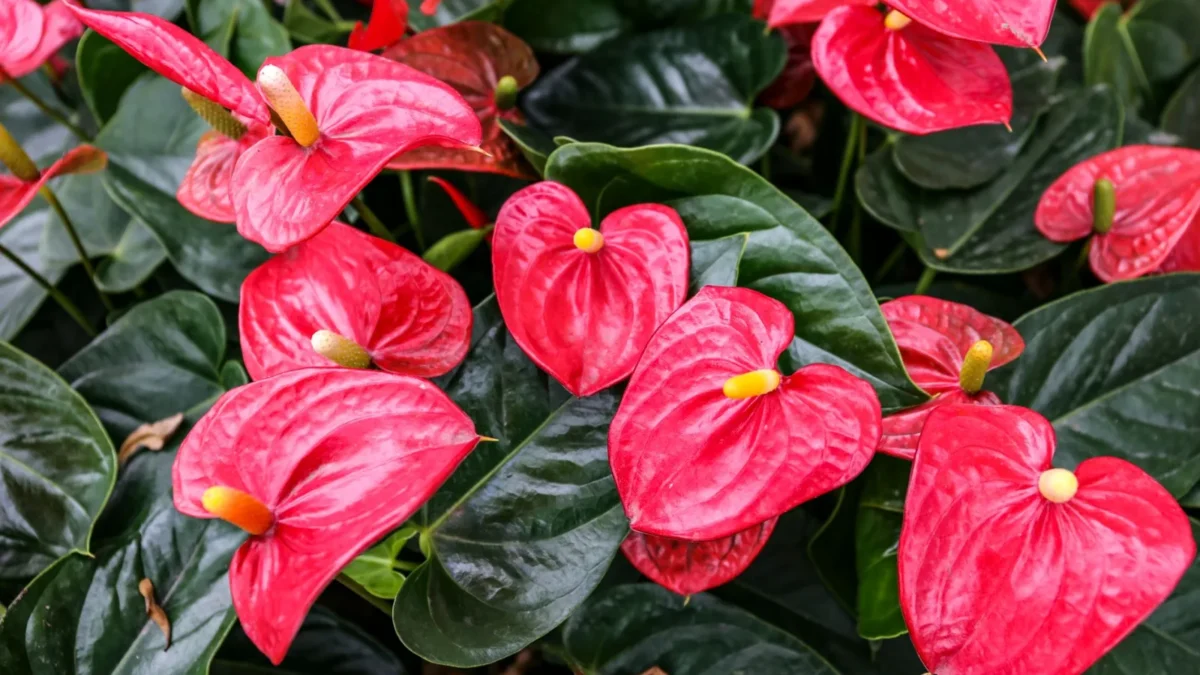
Quick answer: Anthurium leaves turning brown at the tips are most often caused by low humidity or salt buildup rather than disease. Dry indoor air causes water to evaporate too quickly from leaf surfaces, while mineral salts from tap water or over-fertilization concentrate in the leaf tips, creating a burnt appearance.
| Botanical name | Anthurium andraeanum |
|---|---|
| Light | bright indirect light; avoid full sun |
| Watering | water when top inch of soil is dry; every 7-10 days spring/summer, 10-14 days fall/winter |
| Humidity | 70-80% humidity; high humidity needed |
| Temperature | 65-80°F (16-30°C); keep above 18°C |
| Soil | acidic potting mix: 2 parts ericaceous compost, 1 part orchid bark, 1 part perlite or grit |
| Feeding | orchid fertilizer every 2 weeks spring to autumn; phosphorus-rich for blooms |
| Size | 1-1.5 feet tall, 0.75-1 foot spread |
| Difficulty | easy |
What causes brown tips and edges on anthurium leaves
| What you see | Likely cause | What to do |
|---|---|---|
| Dry, crispy brown tips | Low humidity | Increase humidity to 70-80% with a humidifier or pebble tray |
| Brown tips with slight leafiness | Salt or mineral buildup | Flush soil with water every 1-2 months; use filtered or rainwater |
| Brown edges all around the leaf | Inconsistent watering | Water when top inch of soil is dry; check soil frequently |
| Brown tips + yellow leaves | Overwatering | Reduce watering frequency; allow soil to dry out more |
| Brown tips + pale new leaves | Fertilizer burn | Scale back feeding; flush soil to remove excess salts |
Why humidity is the main culprit
Anthurium andraeanum needs humidity between 70-80% to thrive. Most homes, especially during winter heating or summer air conditioning, fall well short of this level. When dry indoor air pulls moisture too quickly from leaf surfaces, the tips brown and crisp. You’ll notice this most on older, outer leaves first.
Salt buildup from water and fertilizer
Both tap water and excess fertilizer cause salts to accumulate in soil. Hard water with chlorine, fluorine, or dissolved minerals deposits these chemicals in the soil and on foliage, creating brown tips. Over-fertilization, called “fertilizer burn,” works the same way—excess salts draw moisture from roots and concentrate in leaf tips.
Watering stress
Alternating between too much and too little water stresses the plant and causes brown leaf tips and edges. Anthurium needs consistent moisture: water every 7–10 days in spring and summer when the top inch of soil is dry, and every 10–14 days in fall and winter. Stick your finger about an inch into the soil to check.
How to fix brown-tipped anthurium leaves
Raise humidity: Use a humidifier or set the pot on a wet pebble tray. Even misting regularly helps, though a humidifier is most reliable for sustained 70-80% humidity.
Flush the soil: Run a steady stream of water through the soil until it drains from the bottom, then repeat several times. Do this every 1–2 months to remove accumulated salts, especially if you use tap water.
Switch to filtered or rainwater: These contain far fewer minerals than tap water and prevent buildup over time.
Water consistently: Check soil moisture frequently. Water when it feels dry at the top inch, but skip watering if it feels wet. Avoid letting the pot sit in standing water.
Reduce fertilizer if needed: If you’ve been feeding heavily, cut back or stop for a month. Anthurium needs orchid fertilizer every 2 weeks from spring to autumn, but no more.
How to prevent brown tips on your anthurium
Keep humidity above 70% year-round using a humidifier or pebble tray. Use filtered water or rainwater instead of tap water to prevent mineral salt buildup. Fertilize only every 2 weeks during the growing season and flush the soil monthly. Water on a consistent schedule when the top inch of soil dries out, and never let the pot sit in water. Trim off the brown-tipped leaves once your care improves—new growth will emerge healthy if conditions are right.
Read the full guide: Anthurium Care: The Complete Guide
More about Anthurium
The same problem in other plants
- Why Are My Tradescantia Zebrina Leaves Turning Brown?
- Why Are My Haworthia Leaves Turning Brown?
- Why Are My Bromeliad Leaves Turning Brown?
- Why Are My Ponytail Palm Leaves Turning Brown?