Bird's Nest Fern Asplenium nidus
Why Are My Bird’s Nest Fern Leaves Turning Yellow?
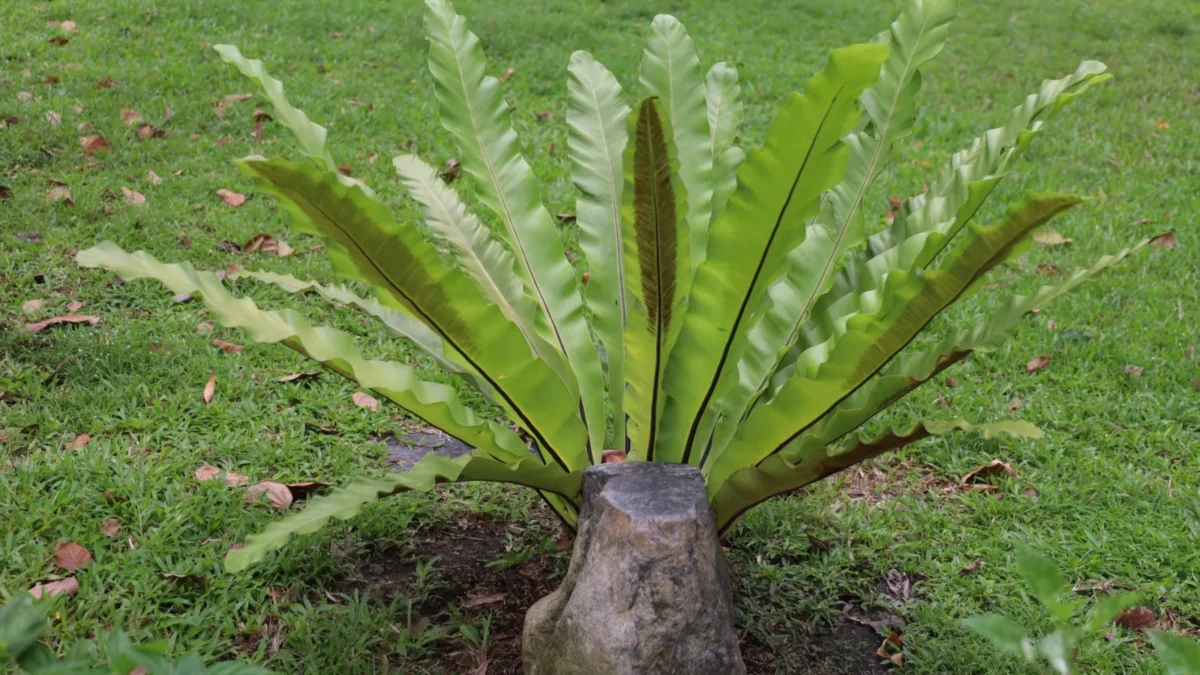
Quick answer: Why is my bird’s nest fern leaves turning yellow? It’s mostly because of overwatering and poor drainage leading to root rot, but also from underwatering, insufficient light, or low humidity. The good news: once you identify which cause applies to your plant, it’s straightforward to fix.
| Botanical name | Asplenium nidus |
|---|---|
| Light | Medium to bright indirect light; tolerates lower light; avoid direct sun |
| Watering | Water when top 1-2 inches soil dry; keep moderately moist; never soggy |
| Humidity | High humidity needed; mist regularly; place on damp gravel tray |
| Temperature | 60-70°F ideal; minimum 55°F (above 16°C) |
| Soil | Peat-free multipurpose compost, John Innes No.3, horticultural grit; well-draining, slightly acidic |
| Feeding | Half-strength liquid fertilizer monthly May-August; stop during slow growth |
| Size | 1-2 feet tall and wide indoors; fronds reach 18-24 inches on healthy specimens |
| Difficulty | easy |
Common causes and how to fix them
| What you see | Likely cause | What to do |
|---|---|---|
| Lower fronds yellow first, base feels soft or mushy | Overwatering or root rot | Remove plant, trim black mushy roots, repot in fresh soil, water only when top inch is dry |
| Dry, crispy fronds turning yellow | Underwatering | Check soil regularly, water when top 1–2 inches feel dry, increase frequency gradually |
| Pale, small yellowish leaves with slow growth | Too little light | Move closer to an east or north-facing window, or use grow lights |
| Browning edges and yellowing in winter | Low humidity | Place pot on damp gravel tray or mist regularly |
| Bleached or scorched fronds on one side | Direct sunlight | Move to bright filtered light away from direct sun |
Overwatering and root rot
This is the most common reason your bird’s nest fern leaves are turning yellow. When you water too often or use a pot without drainage holes, roots sit in soggy soil and start to rot. The roots turn mushy and black, and the plant can’t absorb water or nutrients properly.
To fix it:
- Remove the plant from its pot and examine the roots
- Using clean scissors, cut away any black, mushy roots back to healthy, firm tissue
- Let the roots air dry briefly
- Repot in fresh, well-draining soil
- Going forward, water only when the top inch of soil feels dry, and always water at the base—never pour water into the center rosette
Always use a pot with drainage holes. The fern prefers soil that is moderately moist, not waterlogged.
Underwatering and low light
Yellowing can also mean too little water. The plant struggles when underwatered, and the fronds become dry and crispy. Increase watering frequency gradually until the soil stays moderately moist between waters.
Pale, yellowish leaves with slow growth often signal insufficient light. Bird’s nest ferns need medium to bright indirect light, ideally from an east or north-facing window, positioned 1–3 metres back. If natural light is weak, use full-spectrum grow lights.
Humidity and temperature
Low humidity, especially in winter when heating runs, can cause browning and yellowing. This fern is an epiphytic species that loves humid air. Raise humidity by placing the pot on a saucer over a tray of damp gravel, grouping plants together, or misting regularly. Keep temperatures between 60–70°F, with an absolute minimum of 55°F.
Prevent yellowing leaves
The biggest preventative is matching the fern’s natural rhythm: water the soil when the top inch is dry, provide medium to bright indirect light without direct sun, maintain high humidity, and always use a pot with working drainage holes. Use room-temperature water and avoid watering the center crown. If you fertilize, use half-strength liquid fertilizer monthly from May to August only; over-fertilizing damages fronds more easily than it helps.
FAQ
Can I save a bird’s nest fern with yellow leaves?
Yes. Stop or reduce watering, check the roots for rot, and move it to a brighter spot if the leaves are pale. Once you fix the underlying cause—usually overwatering—new fronds will emerge healthy.
How often should I water my bird’s nest fern?
Water when the top 1–2 inches of soil feel dry to the touch. In most homes this means roughly every 7–10 days, but always check the soil first rather than watering on a fixed schedule.
Does low light cause yellow leaves?
Yes. Insufficient light produces pale, small, yellowish fronds and slows growth. Move your fern nearer to a north or east window, or add a grow light if natural light is limited.
Read the full guide: Bird's Nest Fern Care: The Complete Guide
More about Bird's Nest Fern
The same problem in other plants
- Why Are My Corn Plant Leaves Turning Yellow and Brown?
- Why Are My Weeping Fig Leaves Turning Yellow?
- Why Are My Lucky Bamboo Leaves Turning Yellow?
- Why Are My Monstera Adansonii Leaves Turning Yellow?
Sources
- Preventing and Treating Bird's Nest Fern Root Rot: A Gardener's Guide
- Bird's Nest Fern Care: Water, Light & More
- How to grow epiphytic ferns / RHS Growing Guide
Photo: thAnh nguyễn / Pexels, Pexels