ZZ Plant Zamioculcas zamiifolia
Why Are My ZZ Plant Leaves Turning Yellow?
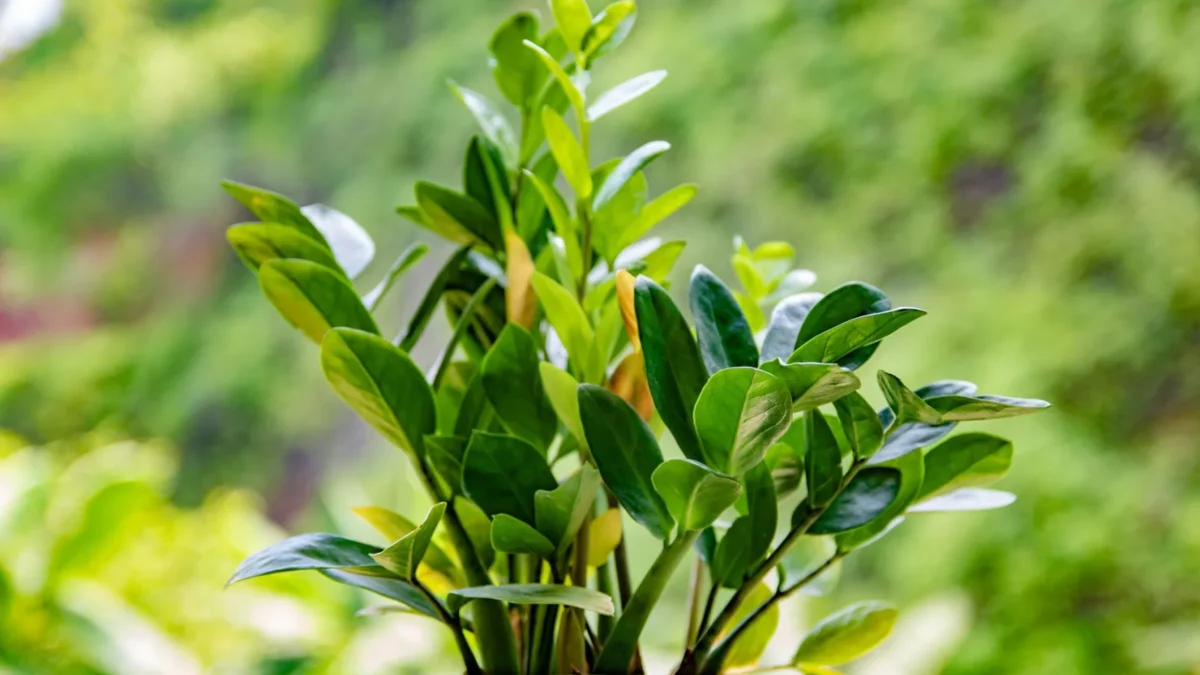
Quick answer: Yellow leaves on your ZZ plant almost always mean overwatering. If multiple leaves are yellowing at once and the soil feels damp, cut back on watering—that’s the fix in the large majority of cases. A few other causes exist, but they’re much less common.
| Botanical name | Zamioculcas zamiifolia |
|---|---|
| Light | Bright indirect light; tolerates low light but becomes leggy without sufficient light |
| Watering | Every 2–3 weeks spring/summer, every 4–6 weeks fall/winter when soil completely dry |
| Humidity | Tolerates any humidity level from 40–50% average to desert-dry or bathroom-humid |
| Temperature | 65–85°F ideal; keep above 60°F; avoid below 45°F |
| Soil | Well-draining mix: 1/4 compost, 1/4 sand, 1/2 potting soil; pH 6–7 |
| Feeding | Optional; standard 20-20-20 once or twice yearly or monthly during growing season |
| Size | Stems grow up to 3 ft long indoors with glossy green foliage |
| Difficulty | easy |
What’s causing the yellowing
| What you see | Likely cause | What to do |
|---|---|---|
| Multiple leaves yellowing at once, wet soil, soft stem bases | Overwatering | Stop watering until soil dries completely, then reduce frequency |
| Only 1–2 lowest leaflets yellowing, rest of plant healthy | Natural leaf turnover | Do nothing—this is normal growth |
| Stems wilted and wrinkled, dry soil | Underwatering | Water thoroughly when soil is bone dry |
| Leaves yellowing and browning, especially after sun exposure | Too much direct light | Move plant away from intense direct sun |
| Leggy stems, yellowing leaves, low light area | Insufficient light | Move closer to a window with bright indirect light |
The most common cause: overwatering
Yellow leaves almost always signal overwatering. Your ZZ plant stores water in thick underground rhizomes, so it’s built to survive drought and quickly develops problems in wet soil.
The fix is straightforward: stop watering immediately and let the soil dry out completely. Stick your finger 3–4 inches into the soil—if it’s still moist at that depth, wait another few days. Only water again once the soil is completely dry.
Going forward, water every 2–3 weeks in spring and summer, and every 4–6 weeks in fall and winter. The soil test matters more than a schedule—different pot sizes, light levels, and humidity all change how quickly your soil dries.
If the stem bases feel mushy or roots appear dark and slimy, root rot may have started. If caught early, repot the plant in fresh, well-draining soil, trim away any dead roots, and avoid watering for the first week or two afterward.
Other causes: light, underwatering, and natural shedding
Your ZZ plant needs bright, indirect light to stay healthy. Aim for 6 to 8 hours of indirect brightness daily. Without enough light, it becomes leggy and leaves yellow as the plant struggles.
The opposite problem—too much direct sunlight—also causes yellowing and browning. If your plant sits on a south-facing windowsill, move it a few feet back or filter the light with a sheer curtain.
Underwatering is uncommon but possible. If the yellowing comes with wilted, wrinkled, or drooping stems and the soil is bone dry, your plant needs water. However, this is far less common than overwatering because ZZ plants are drought-tolerant.
Finally, ZZ plants naturally shed old leaflets as part of routine turnover. If only 1 or 2 of the lowest leaflets are yellowing and the rest of the plant looks vibrant and healthy, this is normal and needs no action.
How to prevent yellowing leaves
The best prevention is proper watering: let the soil dry out completely between waterings, and adjust your schedule with the seasons. In darker rooms or cooler months, water even less frequently.
Give your plant bright, indirect light whenever possible. If you must keep it in low light, water even more sparingly, since the soil will dry more slowly.
Use well-draining soil—a mix of 1/4 compost, 1/4 sand, and 1/2 standard potting soil works well. Make sure your pot has drainage holes so excess water can escape.
Check the soil with your finger before watering every time. It takes 10 seconds and prevents the majority of ZZ plant problems.
Read the full guide: ZZ Plant Care: The Complete Guide
More about ZZ Plant
The same problem in other plants
- Why Are My Calathea Leaves Turning Yellow?
- Why Are My Heartleaf Philodendron Leaves Turning Yellow?
- Why Are My Peace Lily Leaves Turning Yellow?
- Why Are My Snake Plant Leaves Turning Yellow?