Bird's Nest Fern Asplenium nidus
How Much Light Does a Bird’s Nest Fern Need?
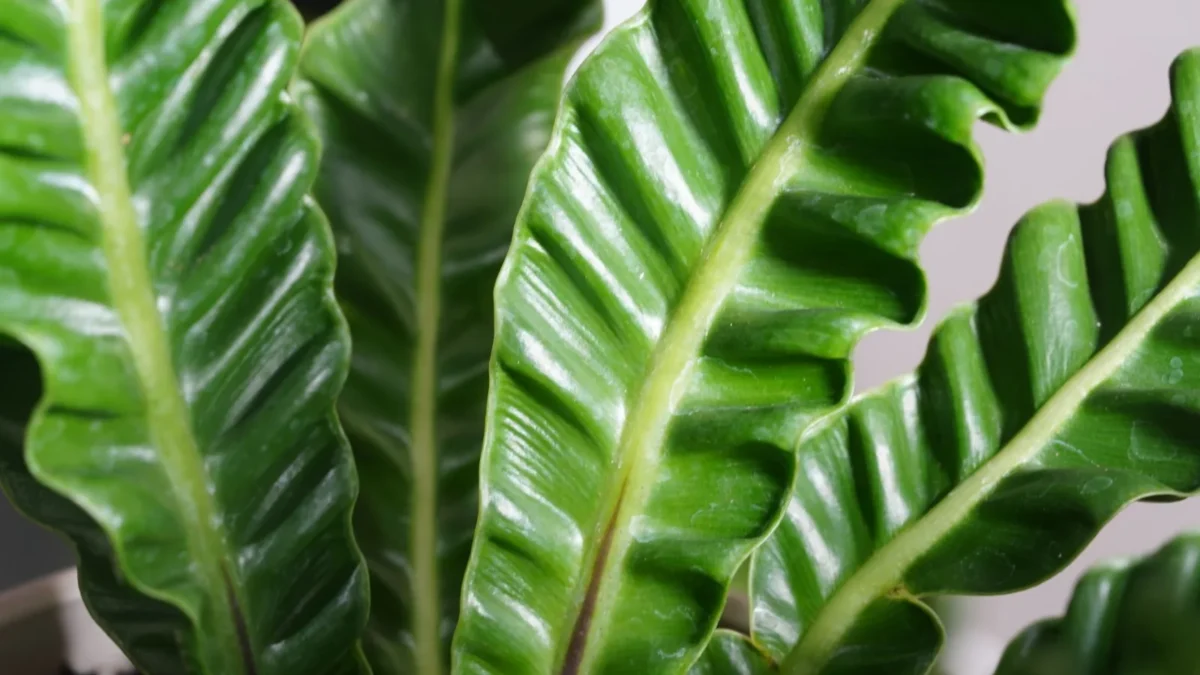
Quick answer: Bird’s nest ferns need medium to bright indirect light, such as near an east window or behind a sheer curtain. They tolerate lower light better than almost any other common fern, making them excellent for darker bathrooms and inner rooms.
| Botanical name | Asplenium nidus |
|---|---|
| Light | Medium to bright indirect light; tolerates lower light; avoid direct sun |
| Watering | Water when top 1-2 inches soil dry; keep moderately moist; never soggy |
| Humidity | High humidity needed; mist regularly; place on damp gravel tray |
| Temperature | 60-70°F ideal; minimum 55°F (above 16°C) |
| Soil | Peat-free multipurpose compost, John Innes No.3, horticultural grit; well-draining, slightly acidic |
| Feeding | Half-strength liquid fertilizer monthly May-August; stop during slow growth |
| Size | 1-2 feet tall and wide indoors; fronds reach 18-24 inches on healthy specimens |
| Difficulty | easy |
Understanding bird’s nest fern light requirements
The bird’s nest fern belongs to a group of epiphytic ferns that grow naturally on shaded tree limbs in tropical forest understoreys. Indoors, this means they prefer consistent, filtered light rather than bright or direct exposure.
For ideal growth, aim for approximately 10,000–20,000 lux of bright indirect light. Position your fern 1–3 metres back from a north or east window, or further back from a brighter south or west-facing window. North-facing windows work particularly well.
Avoiding direct sun damage
Direct sunlight will damage this fern quickly and permanently. The leaves scorch in direct summer sunlight, and fronds bleach and crisp within hours when exposed to intense rays. If your fern has been sunburned, move it to bright filtered light; old patches remain scorched, so use clean new growth to judge the safer position.
Use sheer curtains to filter strong sunlight in bright windows, and move the plant further from or closer to the light source as needed. Rotate the plant regularly to ensure even light exposure across all fronds.
What happens with too little or too much light
Insufficient light causes slow growth, smaller pale fronds, and an open, spindly appearance. If lighting is too low, the fern may develop small, yellowish leaves; you can supplement with full spectrum grow lights where natural lighting is not sufficient.
Excessive light produces yellowing or bleaching of fronds, brown crispy edges, and wilting. These signs mean your fern needs to move further from the window or have more shading.
FAQ
Can a bird’s nest fern grow in a bathroom with low light?
Yes—a steamy bathroom is often the best home for these humidity-lovers, even if the light is modest. The high humidity combined with moderate light makes bathrooms ideal, and the fern tolerates lower light far better than most ferns.
Should I use grow lights for my bird’s nest fern?
Grow lights help if your home lacks sufficient natural bright indirect light. They are particularly useful in rooms with only north-facing windows or deep interior spaces where you cannot position the plant 1–3 metres from a window.
Read the full guide: Bird's Nest Fern Care: The Complete Guide
More about Bird's Nest Fern
The same problem in other plants
- What Light Does a Norfolk Island Pine Really Need?
- Nerve Plant Light Requirements: Where to Place It
- Lucky Bamboo Light Requirements: How Much Light Does It Need?
- Ponytail Palm Light Requirements: How Much Light Does It Need?
Sources
- Asplenium nidus
- Bird's Nest Fern (Asplenium nidus): Complete Care & ID Guide
- Bird's Nest Fern Care Guide – Asplenium nidus 🌟 – Healthy Houseplants
Photo: hartono subagio / Pexels, Pexels