Bird's Nest Fern Asplenium nidus
How Often Should You Water a Bird’s Nest Fern?
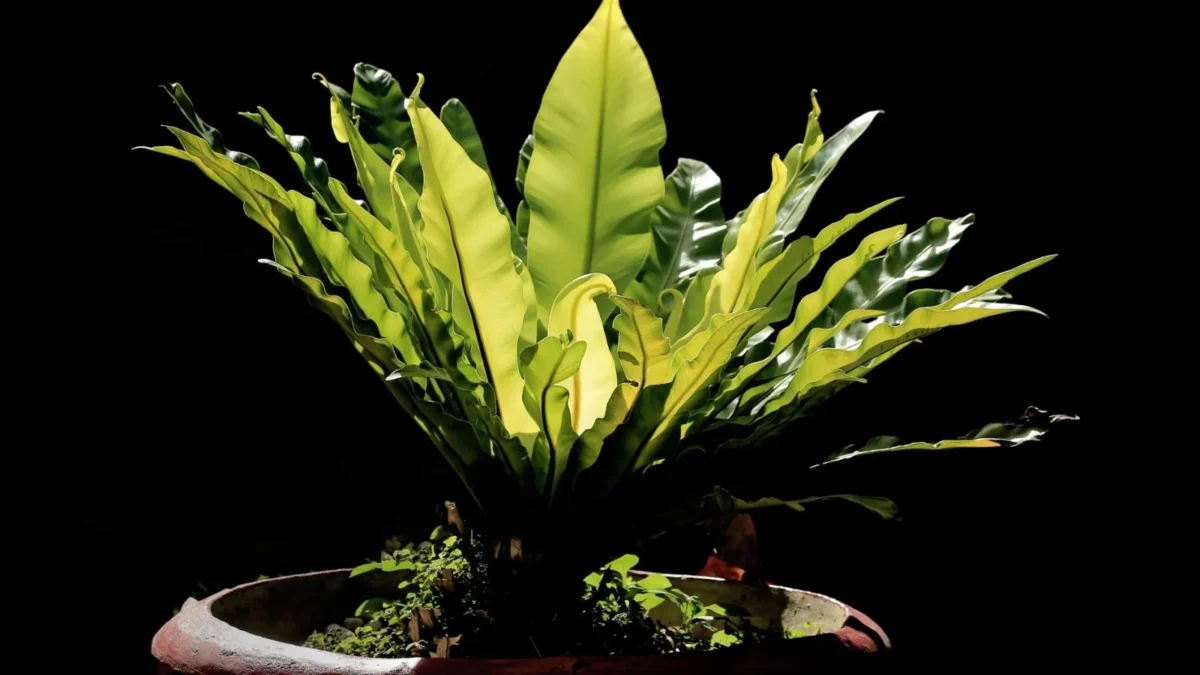
Quick answer: How often you water a bird’s nest fern depends on how quickly your soil dries. Water when the top inch of soil feels dry to the touch, which typically means watering every 7–10 days in most homes, though this varies by season and conditions. The key is keeping the soil moderately moist without letting it become soggy.
| Botanical name | Asplenium nidus |
|---|---|
| Light | Medium to bright indirect light; tolerates lower light; avoid direct sun |
| Watering | Water when top 1-2 inches soil dry; keep moderately moist; never soggy |
| Humidity | High humidity needed; mist regularly; place on damp gravel tray |
| Temperature | 60-70°F ideal; minimum 55°F (above 16°C) |
| Soil | Peat-free multipurpose compost, John Innes No.3, horticultural grit; well-draining, slightly acidic |
| Feeding | Half-strength liquid fertilizer monthly May-August; stop during slow growth |
| Size | 1-2 feet tall and wide indoors; fronds reach 18-24 inches on healthy specimens |
| Difficulty | easy |
Getting Your Bird’s Nest Fern Watering Schedule Right
The most common mistake with these ferns is overwatering. Bird’s nest ferns don’t love soggy or bone-dry soil, so you should water your plant so the soil remains moderately moist at all times. It’s okay if the soil dries out a bit between waters (in fact, it’s preferred), but you shouldn’t let all the mix turn dry before you water.
Start by checking the soil with your finger before each watering. Push down about an inch—if it feels dry, water thoroughly. If it still feels moist, wait another day or two and check again. This touch-test method is more reliable than a fixed schedule because factors like pot size, soil type, humidity, and season all affect how fast soil dries.
How to Water Without Causing Problems
Watering technique matters as much as frequency. Always water at the base of the plant, avoiding getting water in the center of the rosette to prevent rot. Pour water evenly around the soil surface, letting it drain out the bottom of the pot.
Use room temperature water to avoid shocking the roots. Avoid watering with hard (alkaline) tap water as much as possible, to help maintain the acidic conditions they need—filtered or distilled water is ideal if your tap water is very hard.
Always use a pot with drainage holes to allow excess water to escape. Bird’s nest fern wants a free-draining mix and a pot that empties from the bottom within a minute of watering. Without drainage, water pools around the roots and causes rot almost immediately.
Seasonal Adjustments
Your bird’s nest fern grows faster in spring and summer, when it needs more water. Irrigating your plant every 1–2 weeks when it’s experiencing rapid growth (during spring and summer months) should be enough. In autumn and winter, growth slows dramatically, so water less frequently—check the soil and wait longer between waterings.
Spotting Watering Problems
Too much water: Yellowing leaves often mean too much water; the base of the plant may feel soft or mushy. Root rot often happens due to overwatering or poor drainage. If you see this, remove the plant from its pot and trim away any black, mushy roots, leaving only healthy, firm roots. Allow the roots to air dry before repotting in fresh, well-draining soil; ensure the pot has adequate drainage holes; go forward, water the plant only when the top inch of soil feels dry to the touch, and avoid letting water accumulate in the center of the plant.
Too little water: Underwatering leads to dry, crispy fronds. The plant struggles when it doesn’t get enough moisture, so increase watering frequency gradually.
FAQ
Can I mist my bird’s nest fern instead of watering the soil?
Misting adds humidity, which your fern loves, but it’s not a substitute for soil watering. Mist the leaves regularly, and also water the soil when the top inch dries out. Misting alone won’t provide enough moisture to the roots.
What’s the best way to increase humidity alongside watering?
Place the pot in a saucer over a tray of damp gravel, or group several plants together, which will moisten the air around them. This method works even better than misting alone and helps your fern stay lush.
Read the full guide: Bird's Nest Fern Care: The Complete Guide
More about Bird's Nest Fern
The same problem in other plants
- How Often Should You Water Lucky Bamboo?
- How Often Should You Water Echeveria?
- How Often to Water Haworthia: The Right Schedule
- How Often Should You Water Your Philodendron Birkin?
Sources
- Preventing and Treating Bird's Nest Fern Root Rot: A Gardener's Guide
- Bird's Nest Fern Care: Water, Light & More
- How to grow epiphytic ferns / RHS Growing Guide
Photo: Jeffry Surianto / Pexels, Pexels